Spelling practice Easy Phonics Worksheets for Ages 5-6
5 filtered results
-
From - To
Introduce your young learners to the joy of spelling with our Easy Phonics Worksheets, designed specifically for ages 5-6. These engaging, printable sheets help children practice basic phonics, enhancing their reading and writing skills. With colorful illustrations and fun activities, kids will learn to recognize letters, understand sounds, and spell simple words. Ideal for early learners, our worksheets make literacy education accessible and enjoyable, fostering a love for learning. Perfect for classroom or home use, these spelling practice sheets are created by educational experts to support foundational language skills. Explore our collection today and watch your child’s confidence soar.
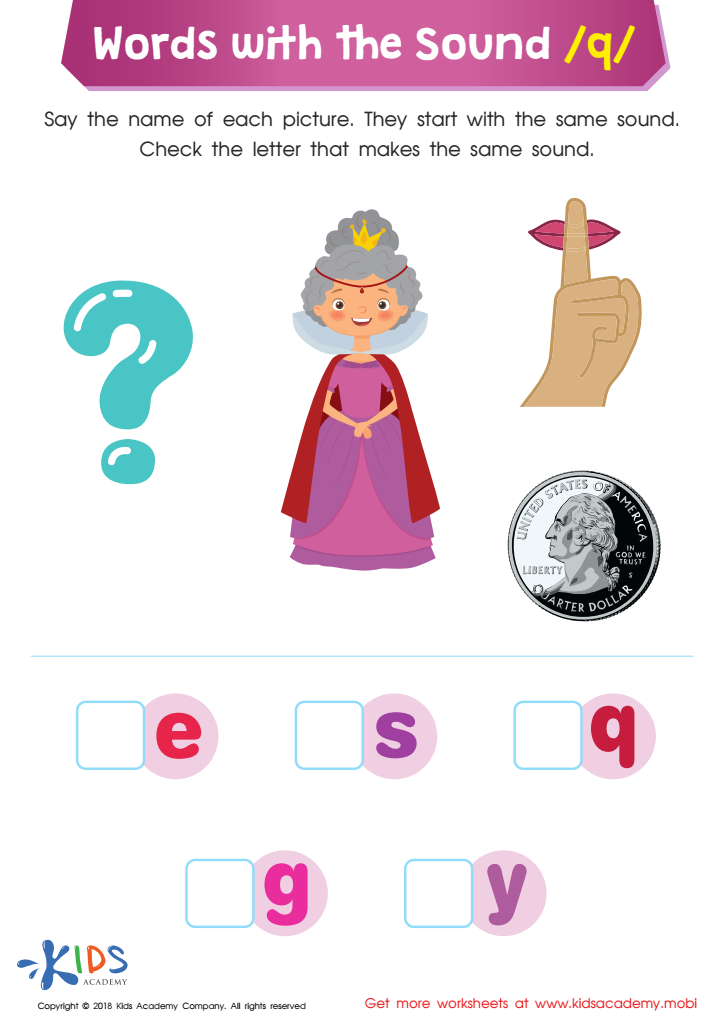
Words with Sound Q Reading Worksheet
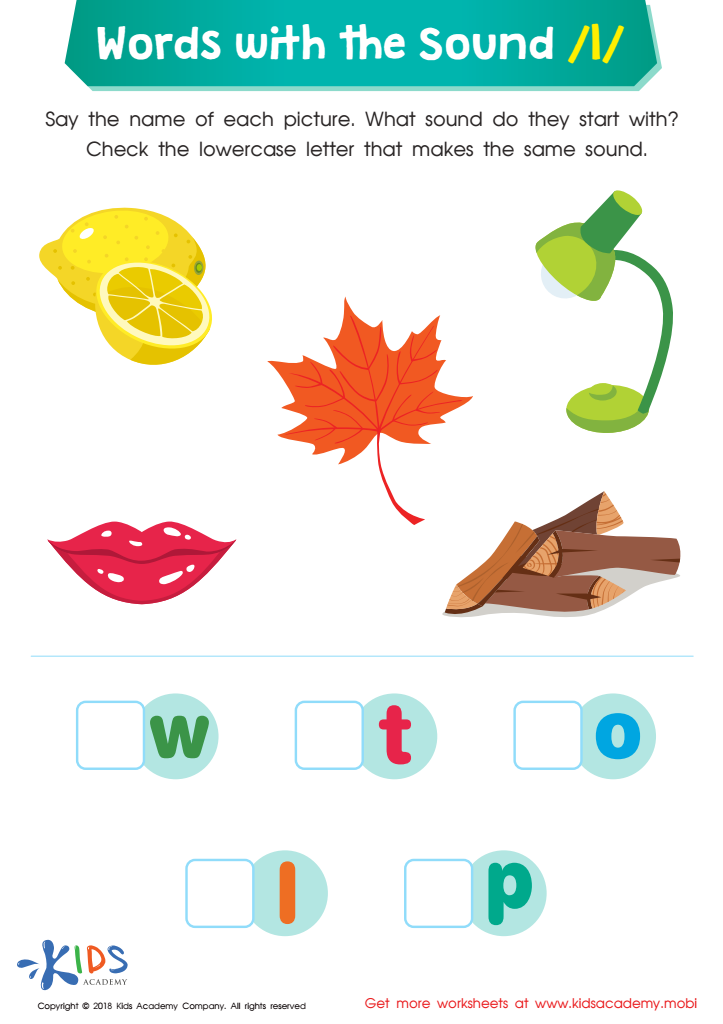
Words with Sound L Reading Worksheet
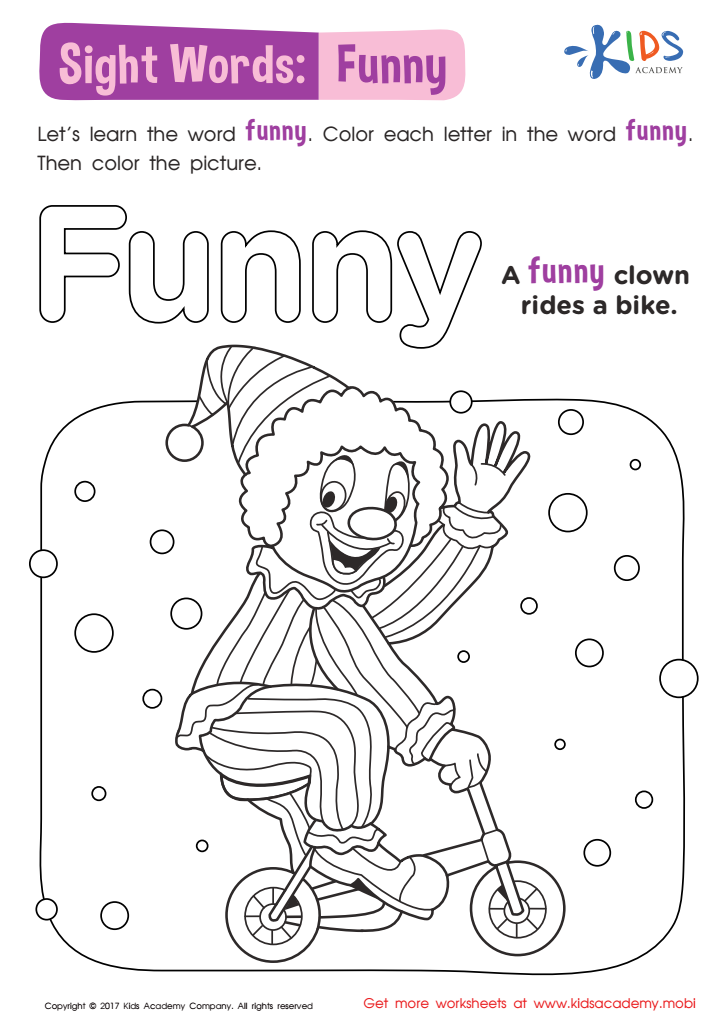
Funny Worksheet Sight Words Worksheet
 Assign to My Students
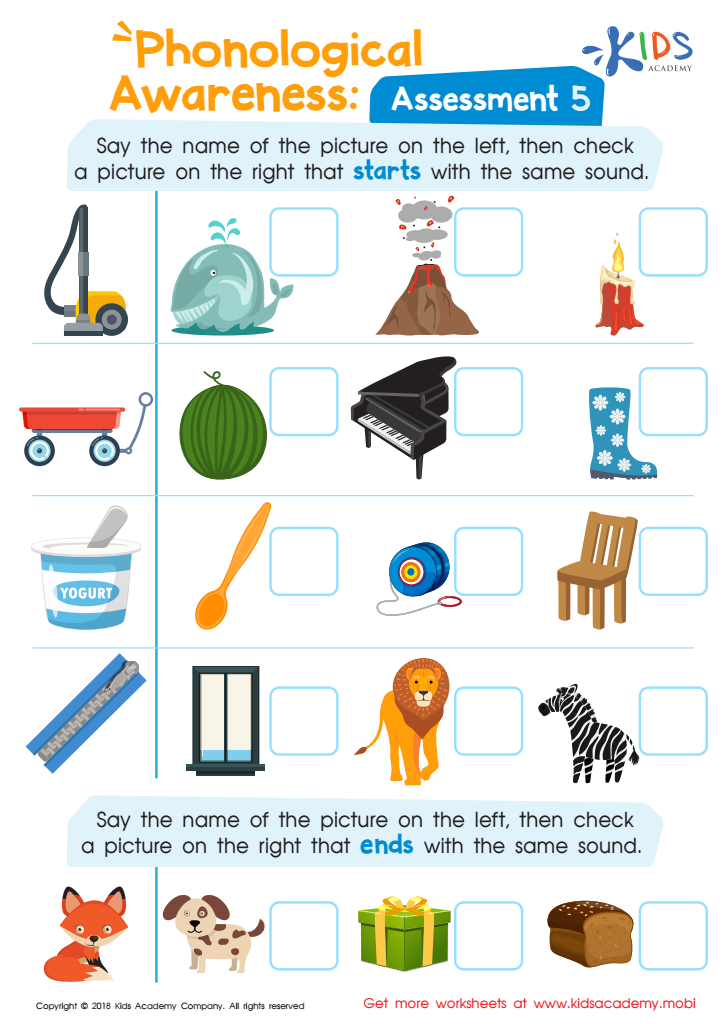
Phonological Awareness: Assessment 5 Worksheet
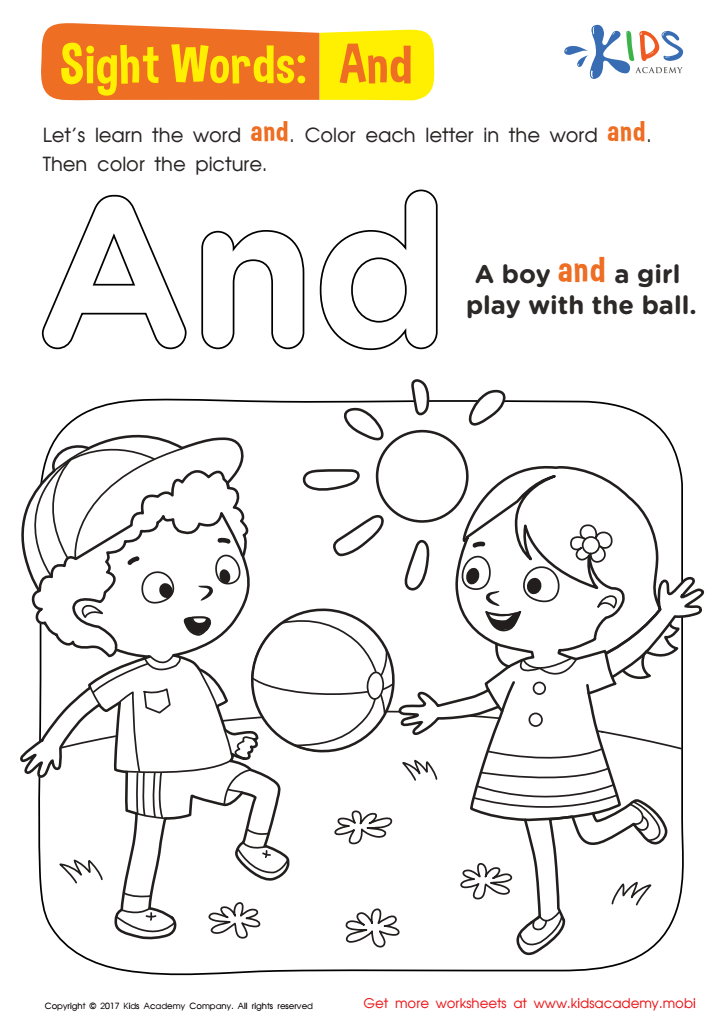
And Worksheet Sight Words Worksheet
Assign to My Students








Parents and teachers play a crucial role in early childhood education, and one key area they should focus on is spelling practice with easy phonics for children aged 5-6. Children at this age are in a critical period of developing foundational literacy skills. Phonics, which involves the relationship between sounds and their spellings, is essential for reading proficiency.
Engaging children in spelling practice with easy phonics helps them understand how letters combine to form words, which is fundamental for reading and writing. This practice boosts their ability to decode new words, thereby enhancing their reading fluency and comprehension. Furthermore, mastering spelling through phonics supports correct word pronunciation and enriches vocabulary, providing children with the tools they need to express themselves more effectively.
Moreover, interactive and fun phonics activities can spur a child’s interest in reading and learning, fostering a lifelong love for education. Early intervention through structured and consistent spelling practice can address potential reading difficulties before they become long-term challenges.
In summary, phonics-based spelling exercises for 5-6 year-olds are crucial as they build a strong literacy foundation, promote a positive learning experience, and prepare children for academic success. Parents and teachers’ investment in this practice ensures children have the necessary skills to thrive in school and beyond.