Number Recognition Easy Addition and Subtraction Word Problems Worksheets for Ages 5-6
9 filtered results
-
From - To
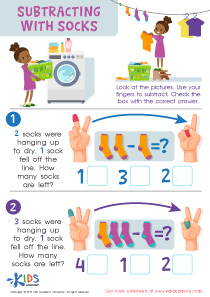
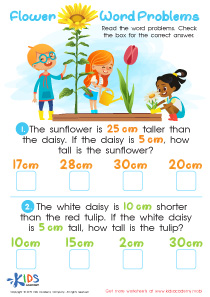
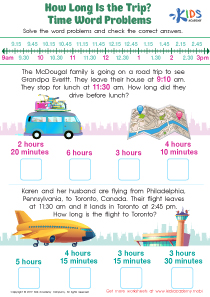
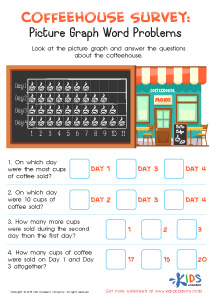
Discover our engaging "Number Recognition Easy Addition and Subtraction Word Problems Worksheets" designed specifically for children aged 5-6. These printable worksheets help young learners enhance their number recognition skills while practicing basic addition and subtraction through relatable word problems. Each worksheet presents fun scenarios that encourage critical thinking, promoting a solid foundation in math concepts. Ideal for classroom activities or at-home practice, our resources support early math development in a playful manner. Kids will love solving problems that involve everyday situations, making learning both enjoyable and effective. Equip your child with essential math skills today with our easy-to-use worksheets!
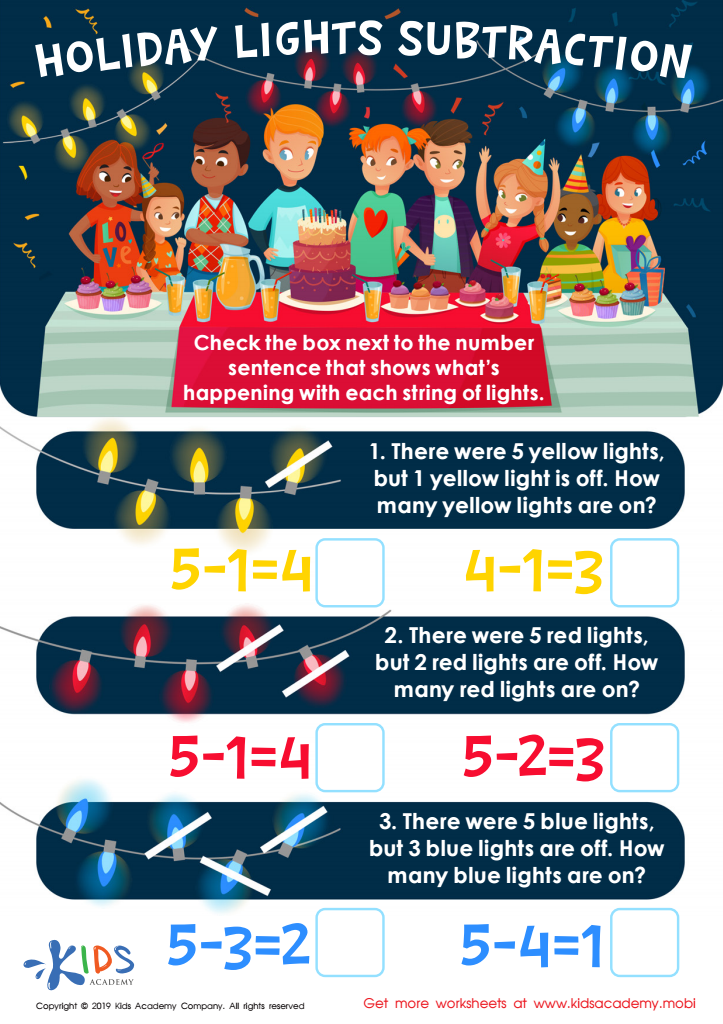
Holiday Lights Subtraction Worksheet
 Assign to My Students
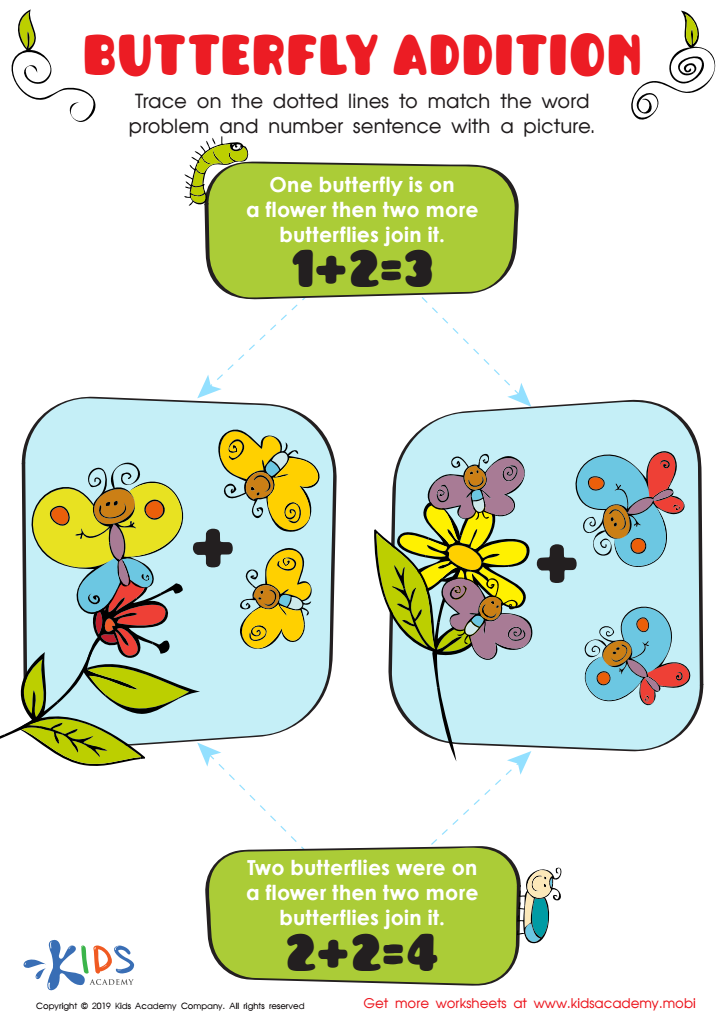
Butterfly Addition Worksheet
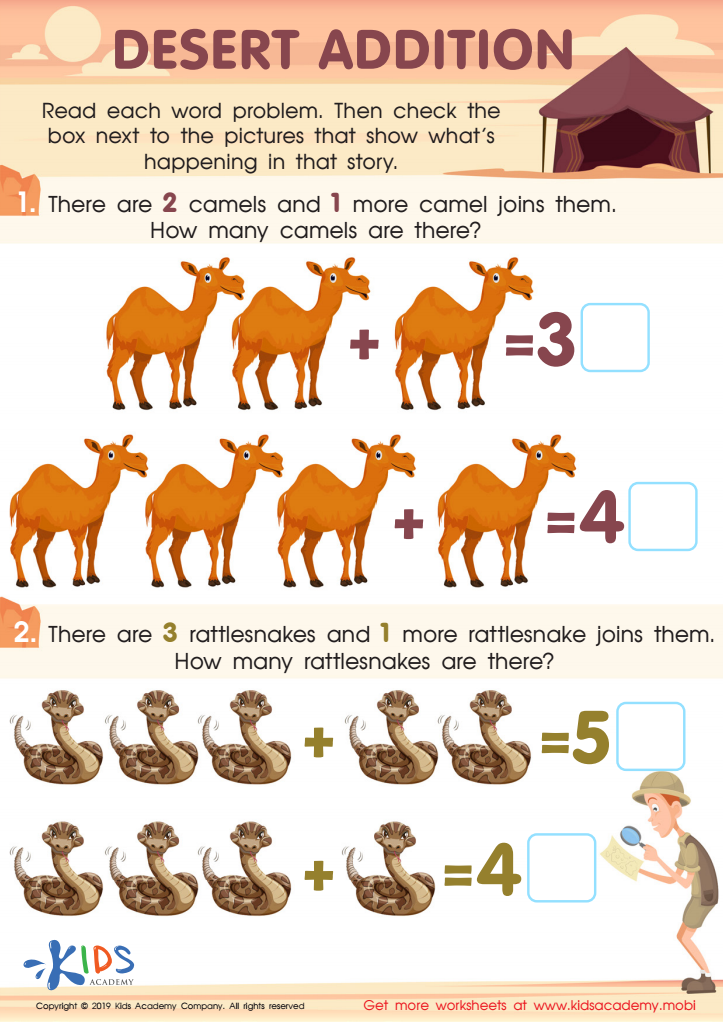
Desert Addition Worksheet
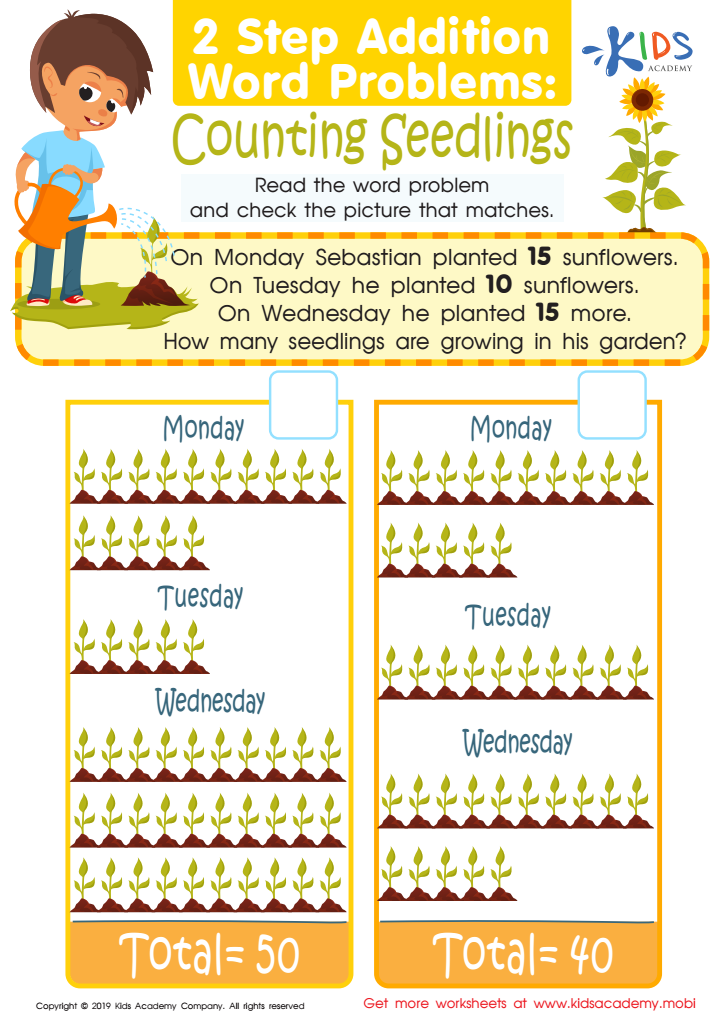
Counting Seedlings Worksheet
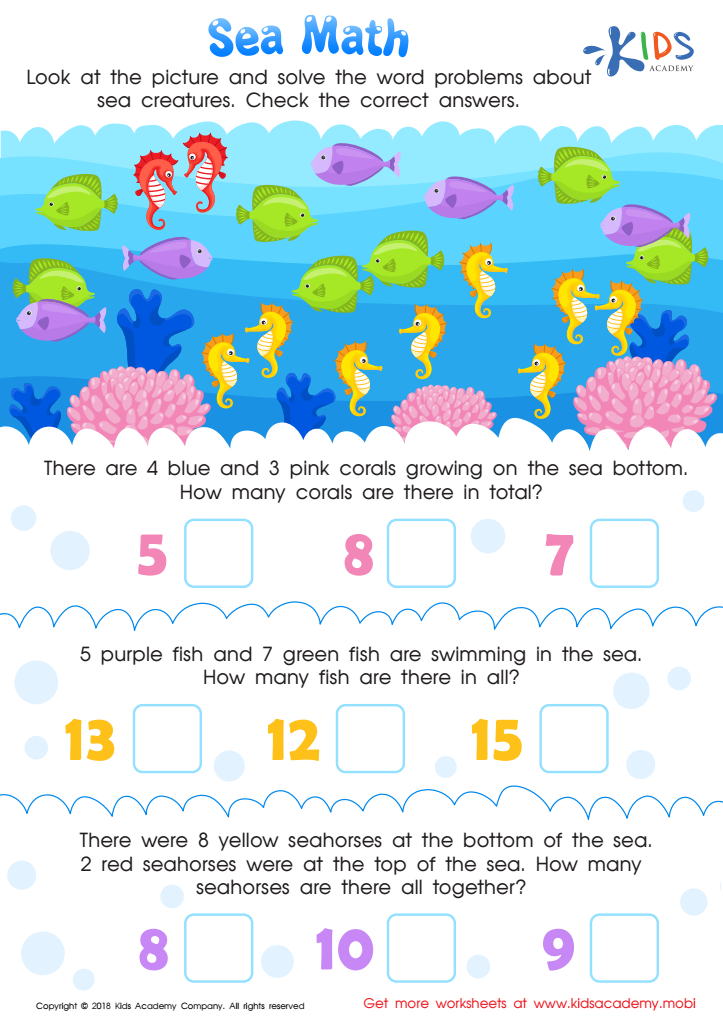
Sea Math Worksheet
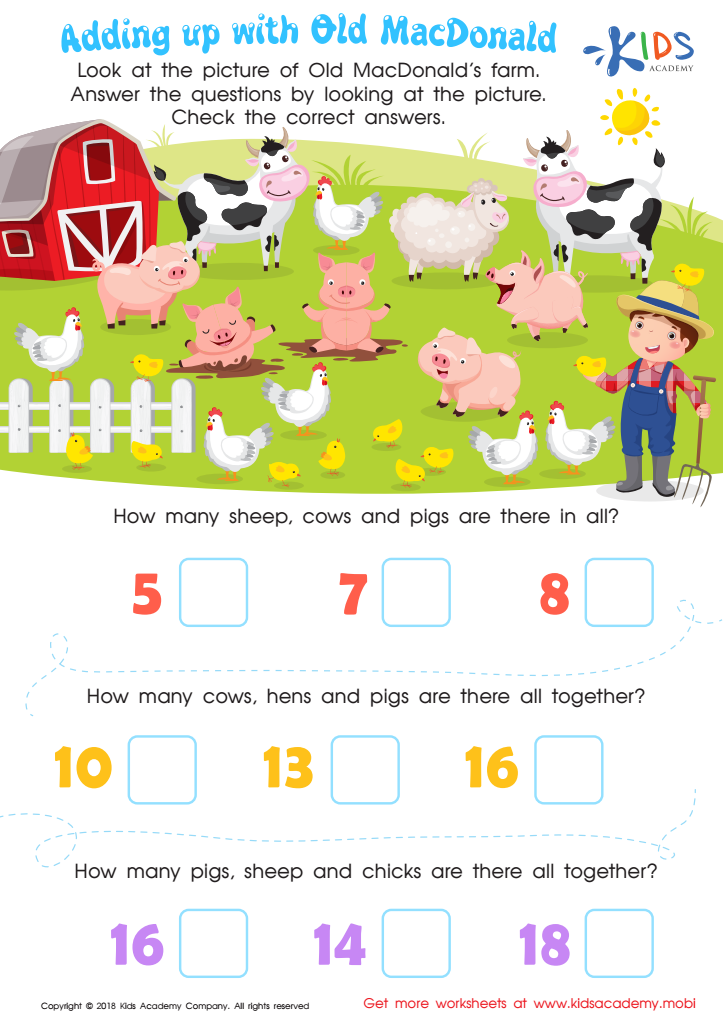
Adding Up with Old MacDonald Worksheet
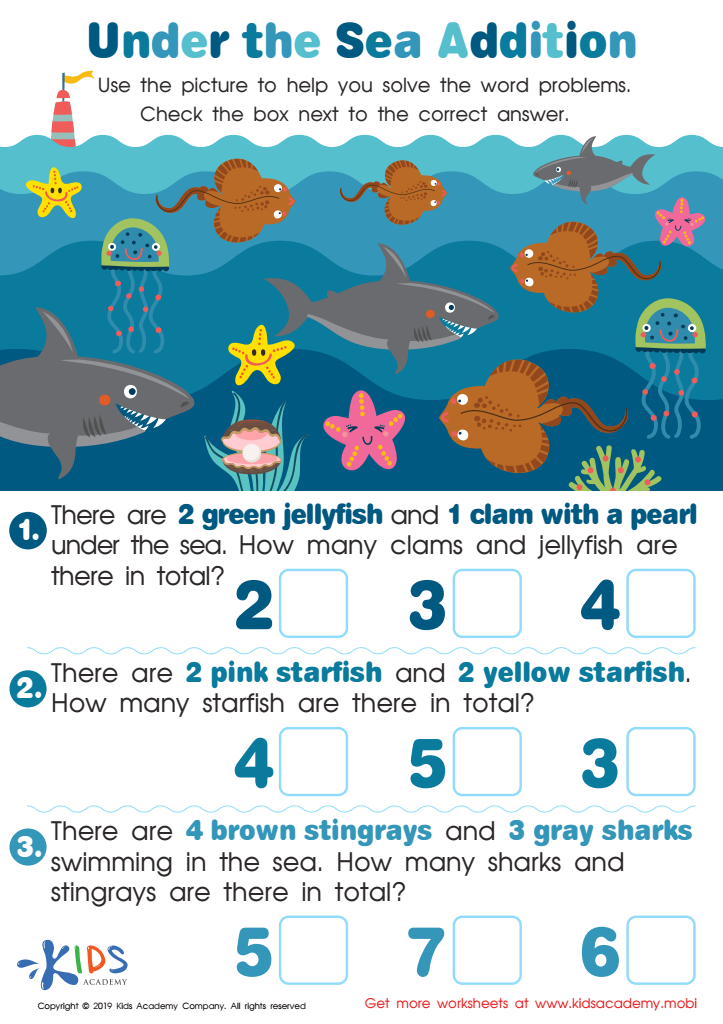
Under the Sea Addition Worksheet
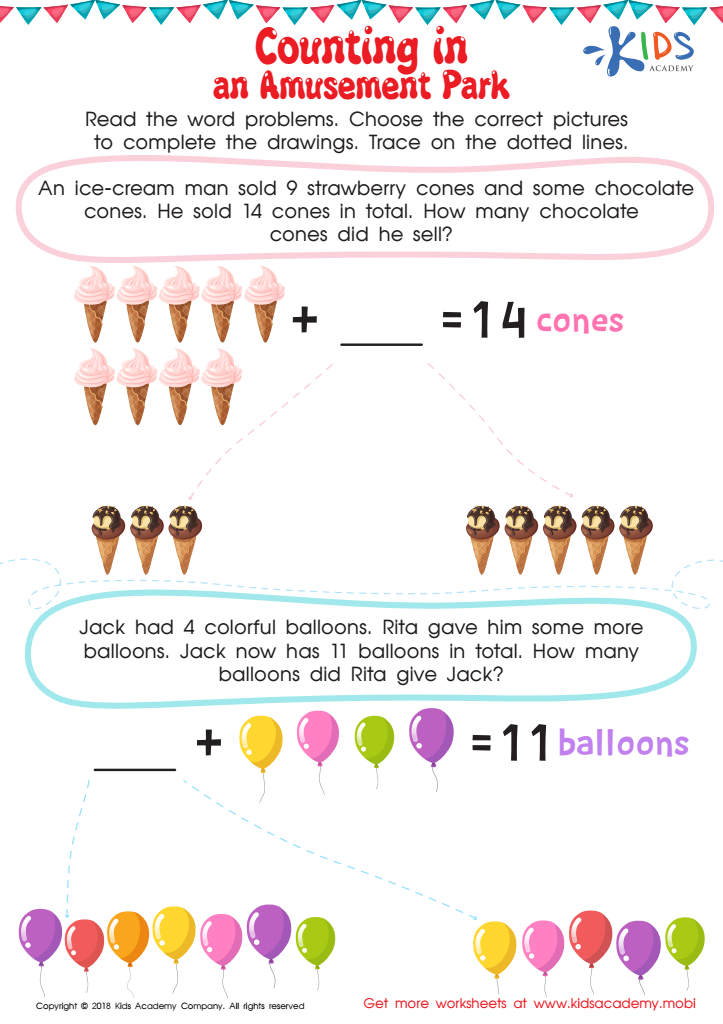
Counting in an Amusement Park Worksheet
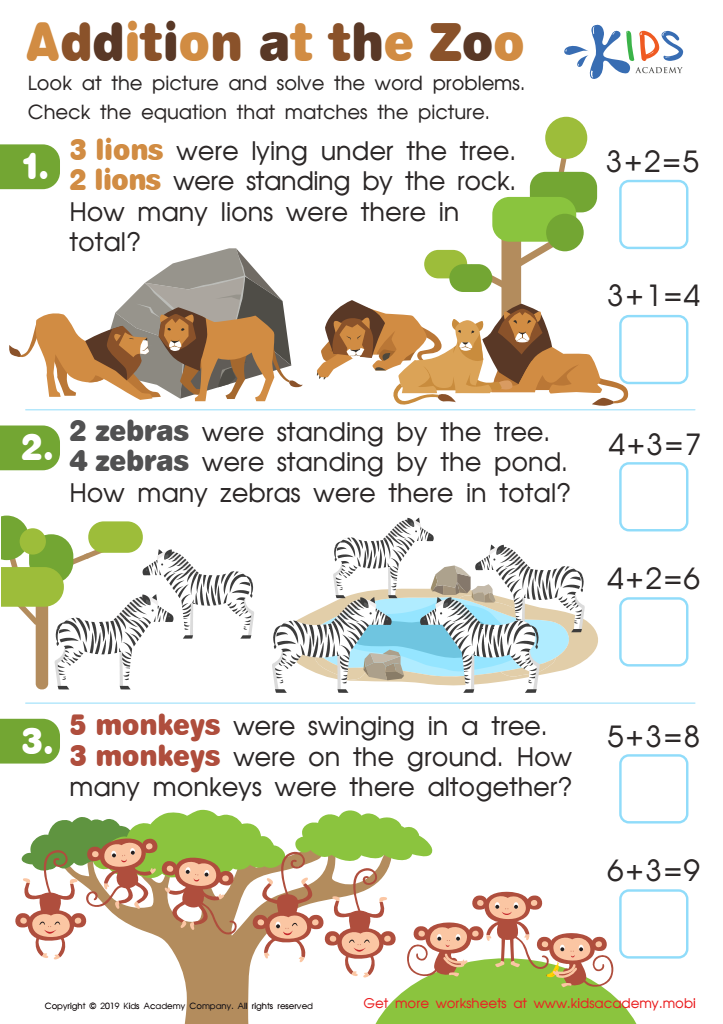
Addition at the Zoo Worksheet








Number recognition and basic arithmetic skills, such as easy addition and subtraction word problems, form the foundation for a child's mathematical understanding, especially for those aged 5-6. At this age, children are naturally curious and eager to learn, making it an ideal time to introduce these concepts. Mastering number recognition helps children identify and understand numbers in their daily lives, fostering confidence in their ability to engage with mathematics.
Teachers and parents should care about these early skills because they impact a child's future academic success. Early math skills predict later achievement, with a strong correlation between proficiency in basic arithmetic and higher-level mathematics concepts as they progress in school. Moreover, easy word problems encourage critical thinking and problem-solving abilities, essential skills for a holistic education.
Additionally, engaging children with these concepts in a fun and interactive way, such as through games and stories, cultivates a positive attitude toward math. This early enthusiasm can counteract the anxiety many develop later on. Ultimately, equipping children with number recognition and simple addition and subtraction skills empowers them in their educational journey, promoting both their cognitive development and a lifelong appreciation for learning.