Basic Math Skills Easy Numbers 0–10 Worksheets for Ages 5-6
4 filtered results
-
From - To
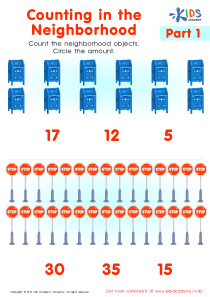
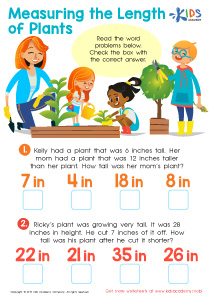
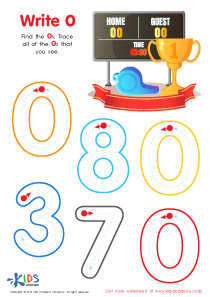
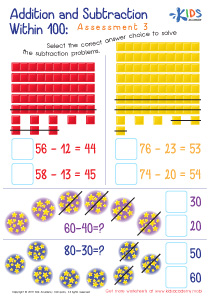
Enhance your child's early math abilities with our "Basic Math Skills Easy Numbers 0–10 Worksheets" designed specifically for ages 5-6! These engaging worksheets provide fun and interactive ways for young learners to master essential counting and number recognition skills. Through colorful illustrations and playful activities, children will learn to identify, write, and compare numbers from 0 to 10. Our resources promote foundational math concepts while keeping learning enjoyable. Perfect for parents and teachers alike, these worksheets are easy to print and incorporate into daily learning routines, ensuring your child builds confidence in their math skills. Start their math journey today!
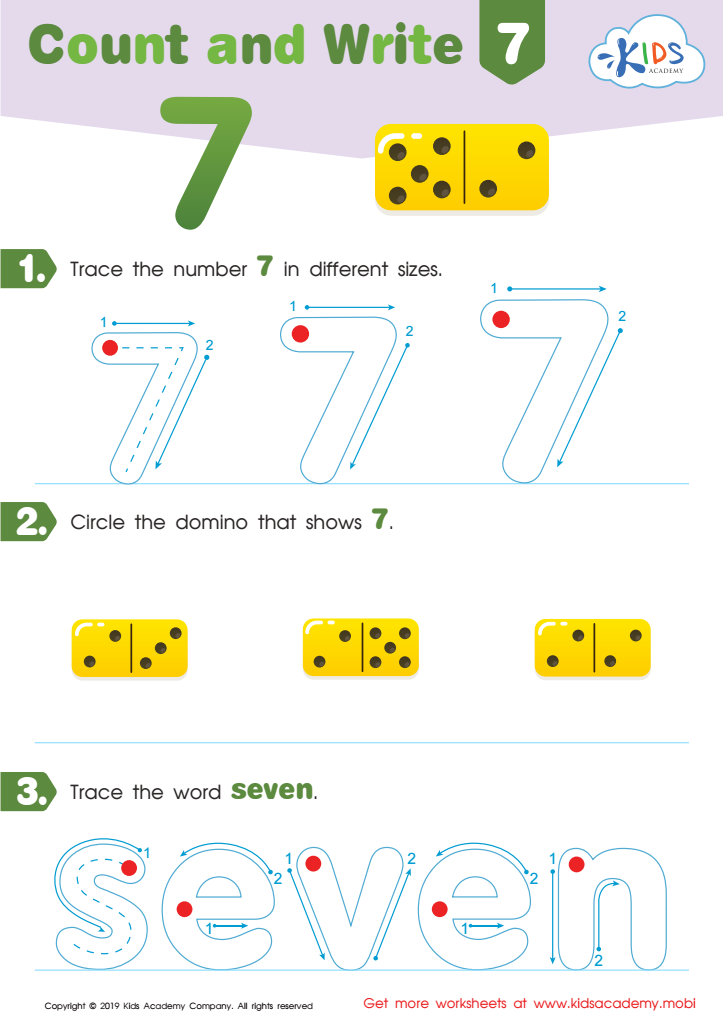
Count and Write 7 Worksheet
 Assign to My Students
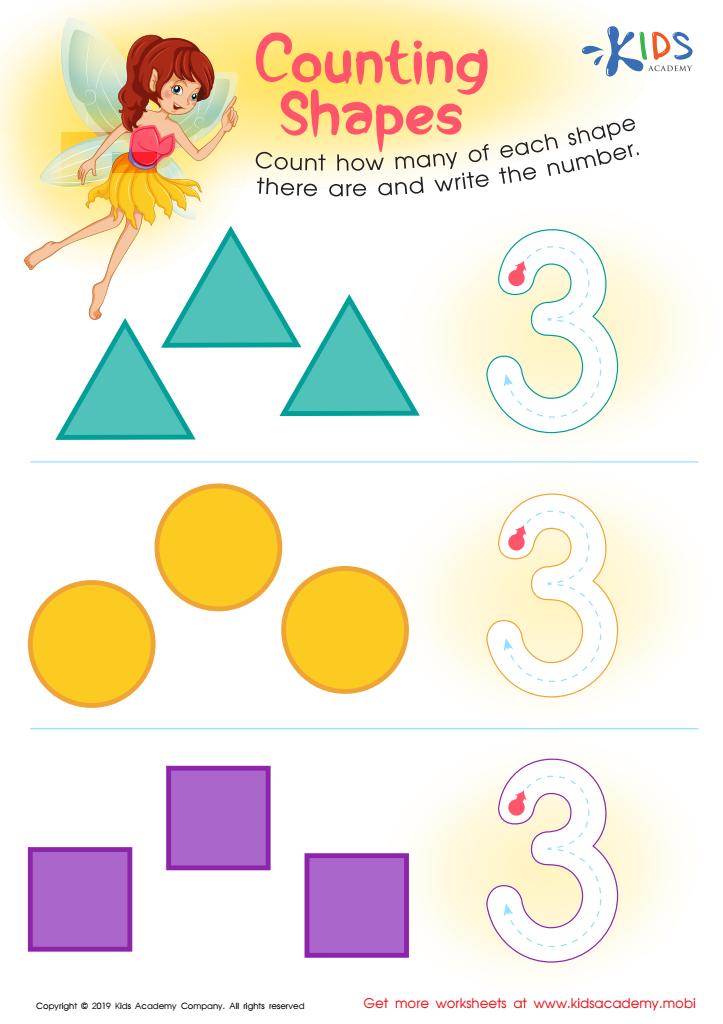
Counting Shapes Worksheet
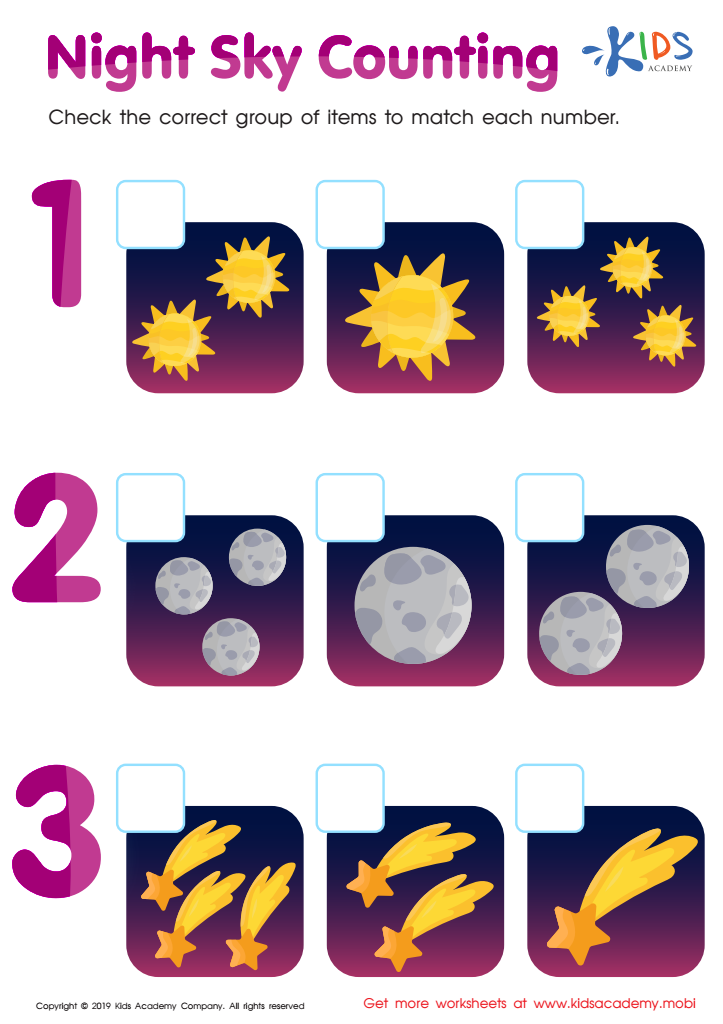
Night Sky Counting Worksheet
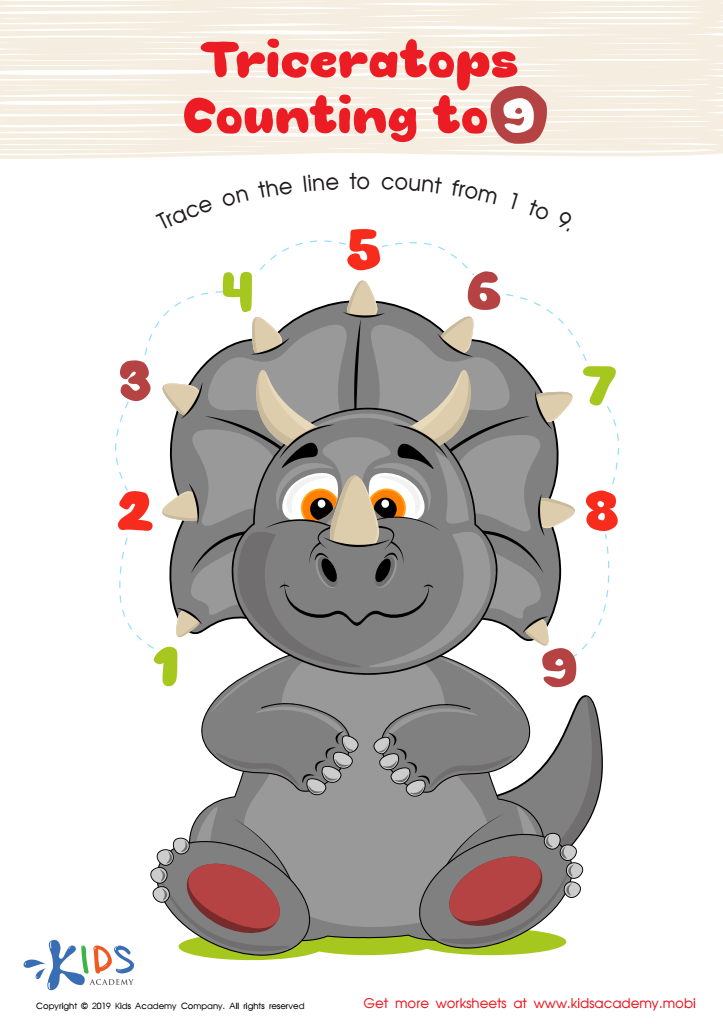
Triceratops Counting to 9 Worksheet








Basic math skills, specifically understanding numbers 0-10, are fundamental for children aged 5-6. At this age, children are developing critical cognitive skills that will shape their future learning. Mastering basic math provides a solid foundation for more complex mathematical concepts as they progress.
Parents and teachers should care about these skills because they promote not just arithmetic proficiency but holistic development. Familiarity with numbers encourages logical thinking, problem-solving abilities, and enhances memory. Children learn to categorize, compare, and establish relationships through numbers, skills that are crucial in everyday life and later academic success.
Engaging with numbers early helps develop self-confidence and enthusiasm for learning. Activities such as counting objects, simple addition and subtraction, or recognizing numerals can turn math into an enjoyable and relatable experience. By fostering interest and fluency in basic math, parents and teachers can prevent math anxiety later on.
Additionally, these early math skills contribute to social development; children often engage in learning activities together, fostering cooperation and communication. Ultimately, instilling a strong grasp of basic math at this age sets the stage for lifelong learning and utilitarian skills, making it a priority for caregivers and educators alike.