Number Recognition Easy Numbers 11–20 Worksheets for Ages 5-6
6 filtered results
-
From - To
Help your child master number recognition with our engaging worksheets designed specifically for ages 5-6! Focusing on numbers 11-20, these printable resources make learning fun and interactive. Each worksheet features vibrant graphics and engaging activities that promote recognition of numerals and their written forms. Your little learner will develop important foundational math skills while working through exercises that encourage counting, tracing, and identifying numbers. Ideal for both home and classroom use, these worksheets create a dynamic learning experience that ensures your child builds confidence in their math abilities. Get started today and support your child's journey toward numerical fluency!
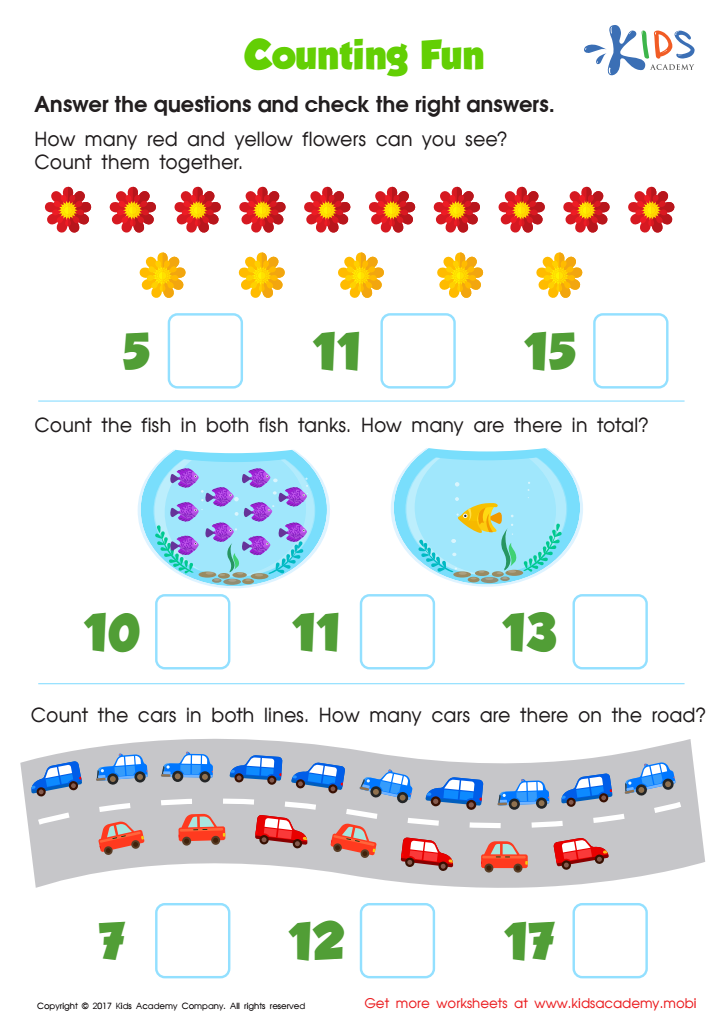
Counting Fun Worksheet
 Assign to My Students
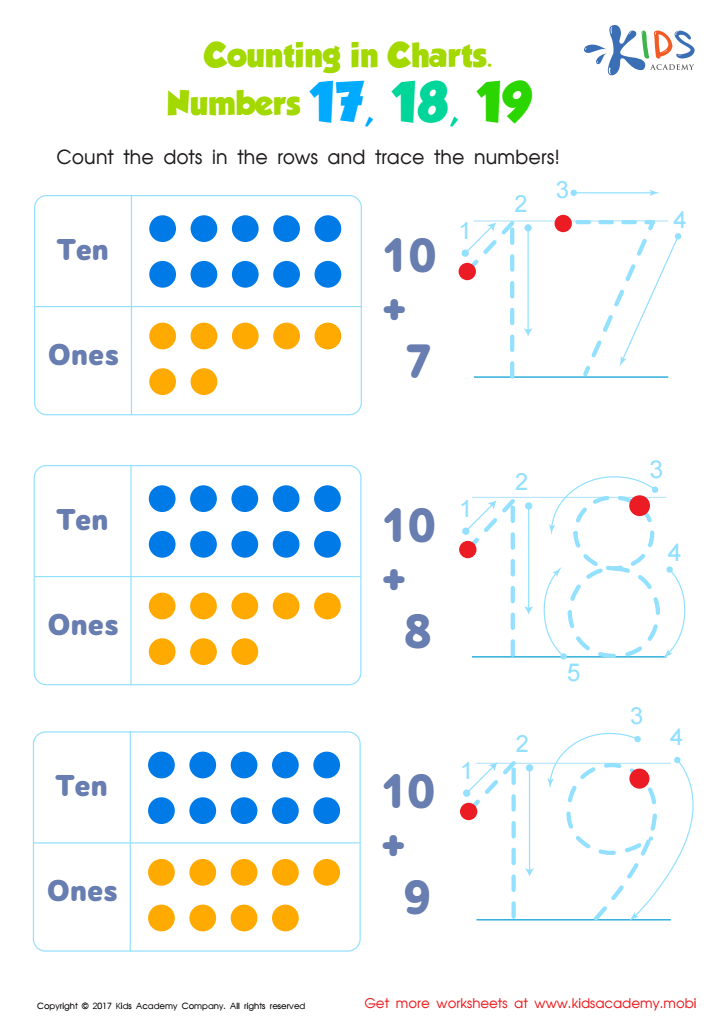
Kindergarten Number Tracing: Counting in Charts Worksheet
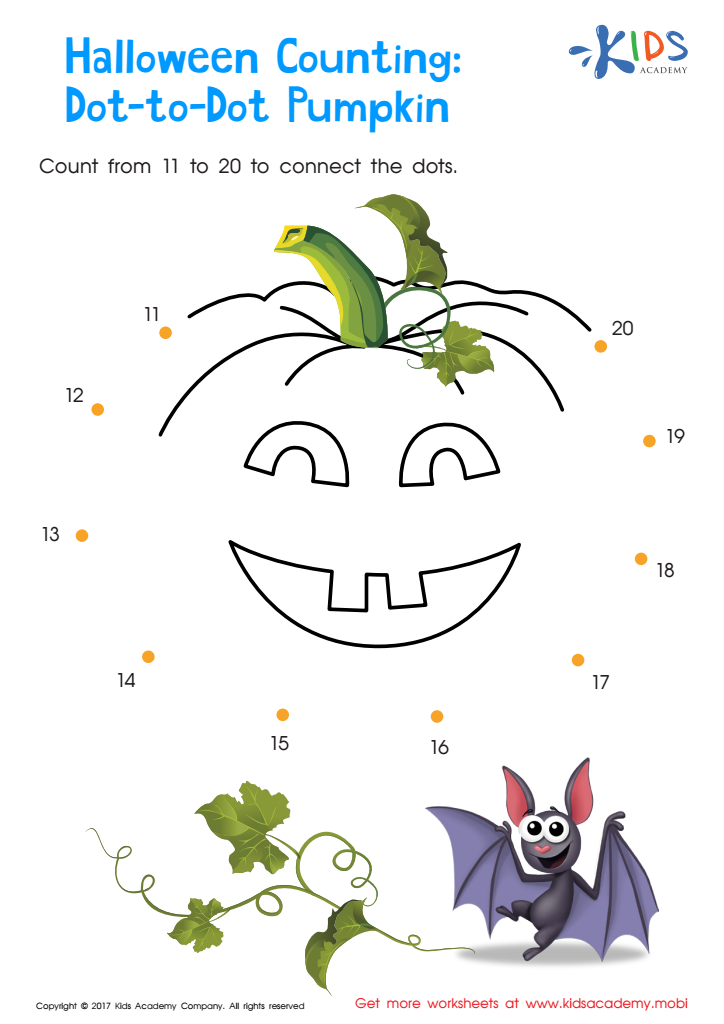
Ordering 11–20: Halloween Counting Worksheet
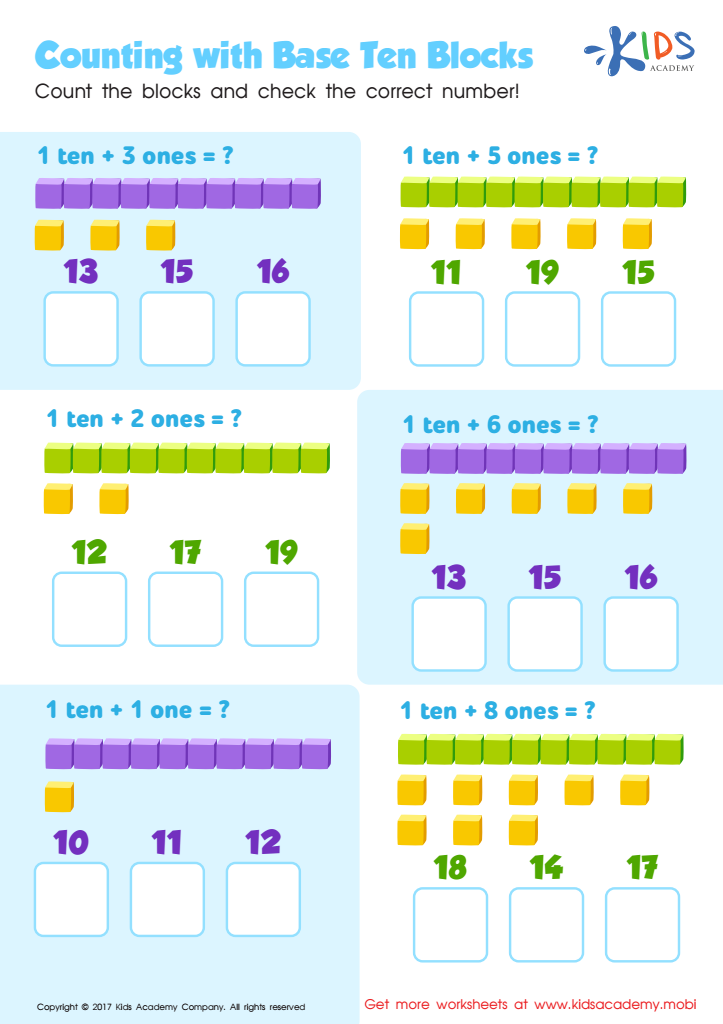
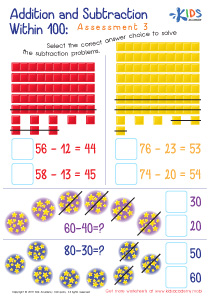
Counting with Base Ten Blocks Worksheet
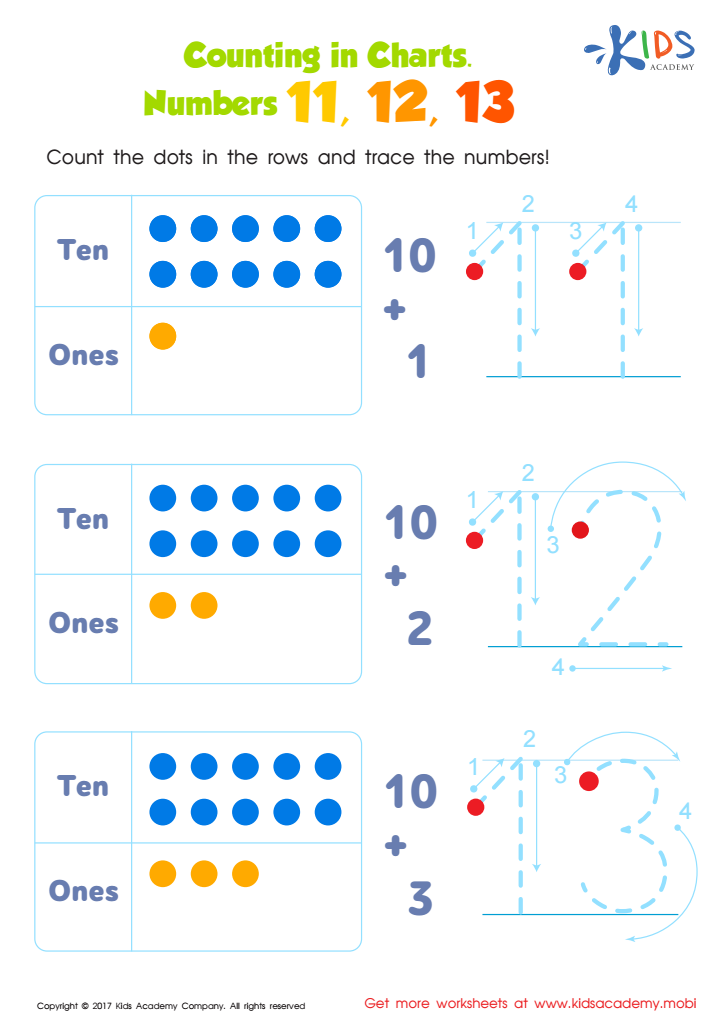
Number Tracing Worksheet For Kindergarten
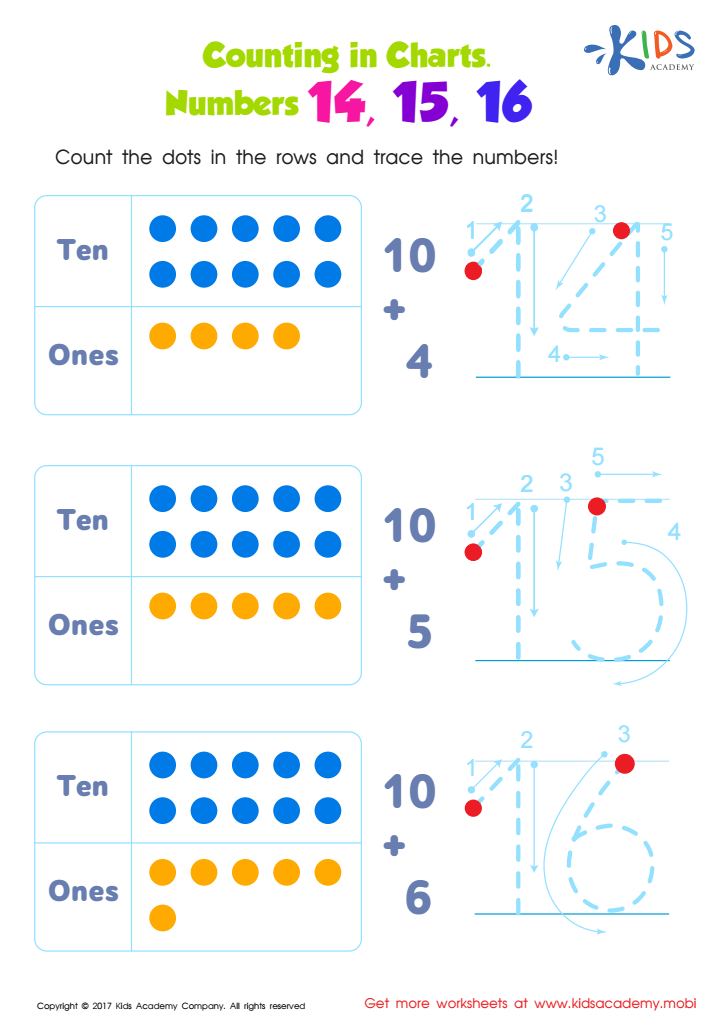
Number Tracing Worksheet



Number recognition from 11 to 20 is a crucial developmental milestone for children aged 5-6. This foundational skill lays the groundwork for more advanced mathematical concepts, enabling young learners to develop number sense and begin understanding concepts like addition and subtraction. Mastering numbers in this range helps children recognize patterns, such as counting sequences, which are fundamental for future math success.
Moreover, number recognition promotes cognitive skills, helping young children to think critically as they relate numbers to everyday life. For instance, recognizing numbers on a clock or during games reinforces the practicality of math. Parents and teachers play a vital role in fostering this learning by incorporating engaging activities, such as counting games or interactive number charts, which can make the learning experience enjoyable and memorable.
Additionally, number recognition promotes confidence and resilience in children. As they conquer these early challenges, they develop a positive attitude towards learning, which encourages them to tackle more complex subjects later on. Investing time and resources in helping children recognize numbers 11 to 20 ultimately supports their academic foundation, instilling a sense of accomplishment and a lifelong love for learning. Therefore, supporting this aspect of early education is essential for future educational success.