Writing practice Easy ABC Letters Worksheets for Ages 5-7
3 filtered results
-
From - To
Introduce your child to the wonders of writing with our "Writing Practice Easy ABC Letters Worksheets" designed for ages 5-7. These engaging worksheets help young learners master the alphabet through fun tracing and writing exercises, strengthening their hand-eye coordination and fine motor skills. Each worksheet focuses on individual letters, ensuring targeted practice and steady progress. Perfect for preschool, kindergarten, and first-grade students, these resources boost confidence and pave the way for future writing success. Download our free worksheets today and watch your child’s writing skills blossom on their educational journey!
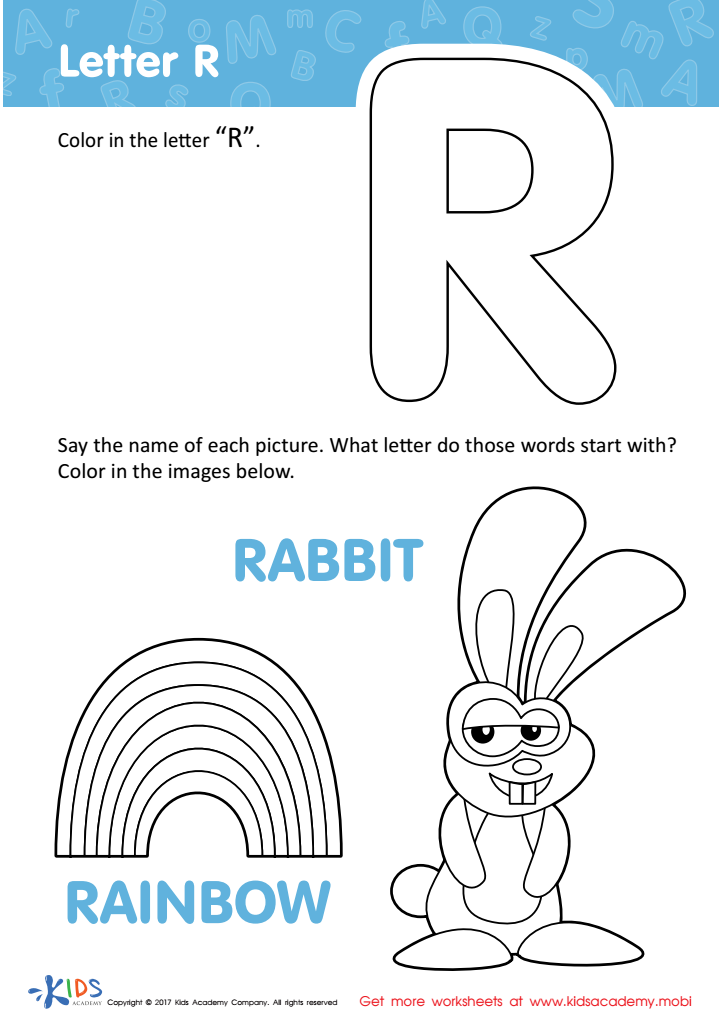
Letter R Coloring Sheet
 Assign to My Students










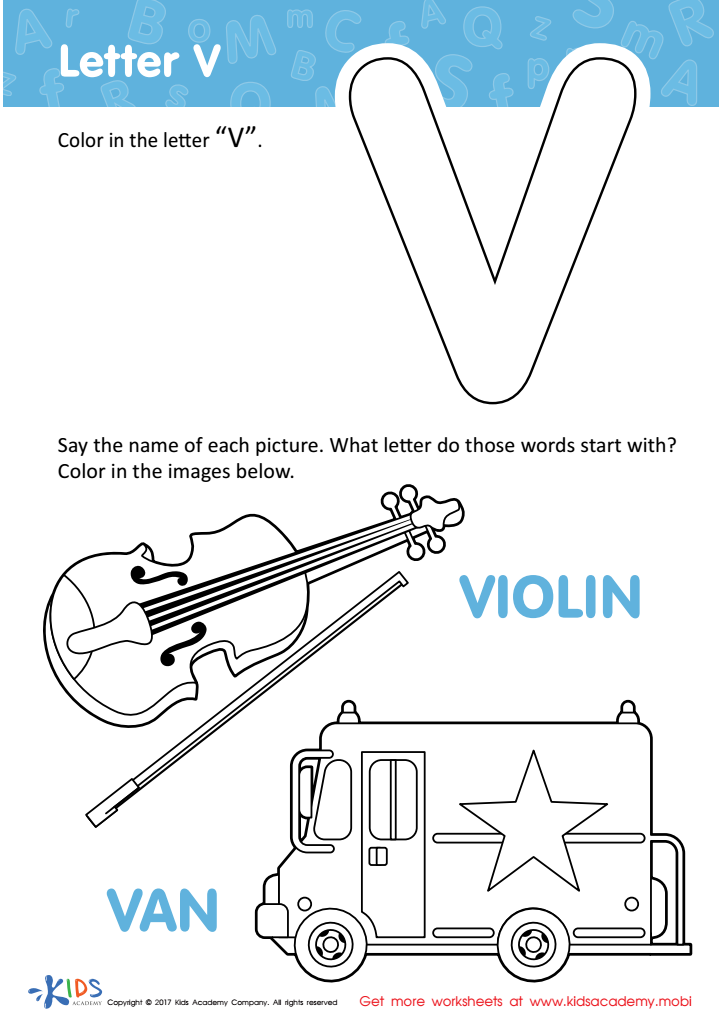
Letter V Coloring Sheet
Assign to My Students
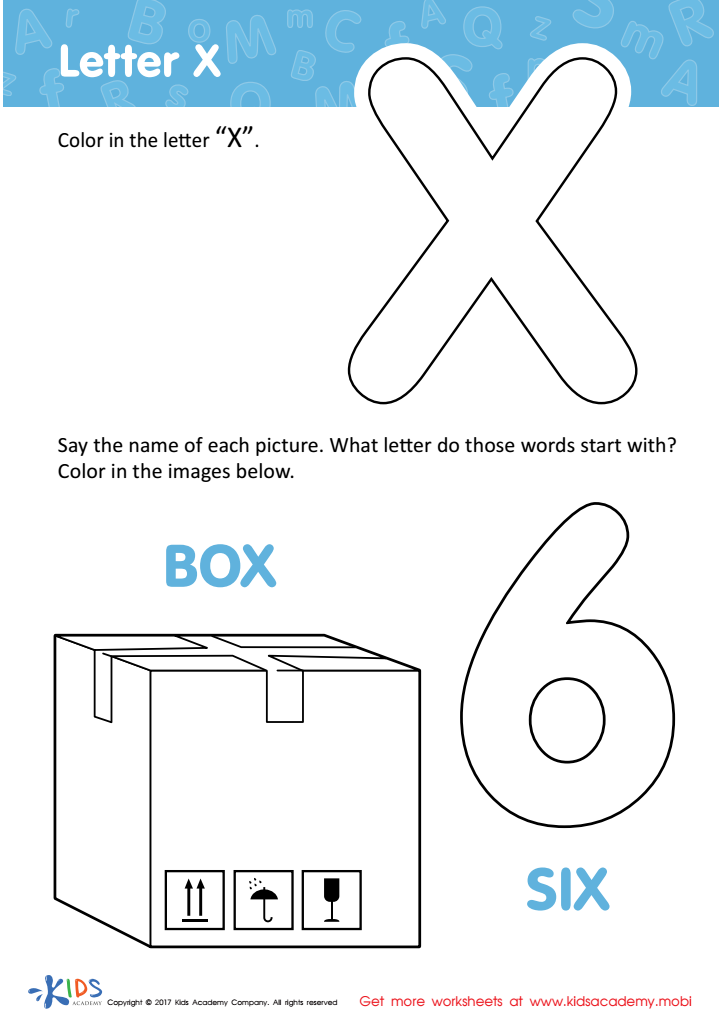
Letter X Coloring Sheet
Assign to My Students






Writing practice with Easy ABC Letters for children aged 5-7 is crucial for several reasons that parents and teachers should consider. Firstly, this activity helps young learners develop fine motor skills. Tracing and writing letters require control and coordination, which enhances their ability to perform other tasks like tying shoes, cutting with scissors, and even playing sports.
Secondly, understanding and practicing handwriting forms the foundation for literacy skills. When children engage in writing exercises, they learn to recognize letters, sounds, and the basic structure of words. This recognition is a key step toward efficient reading and spelling, empowering them to communicate effectively.
In addition, writing practice boosts cognitive development. The process of forming letters and words stimulates areas of the brain responsible for thinking, memory, and language. It also encourages attention to detail and improves concentration and focus over time.
Finally, early writing experiences promote a sense of accomplishment and confidence in young children. As they see their own improvement and ability to express ideas on paper, they gain confidence in their academic skills, laying the groundwork for a positive attitude toward learning in general.
Altogether, fostering writing skills at an early age equips children with essential tools for future academic success and personal growth, making it invaluable for their overall development.