Writing practice Easy Alphabet Worksheets for Ages 5-7
3 filtered results
-
From - To
Enhance your child's writing skills with our Easy Alphabet Worksheets, specially designed for ages 5-7. These engaging printables provide a fun and efficient way to practice both uppercase and lowercase letters. Perfect for early learners, each worksheet combines tracing, writing practice, and recognition exercises to ensure mastery of the alphabet. Created by educational experts to align with essential learning standards, these tools support your child’s phonics development and fine motor skills. Ideal for both classroom and at-home use, our worksheets make learning to write the alphabet an enjoyable journey for young minds. Download today to get started!
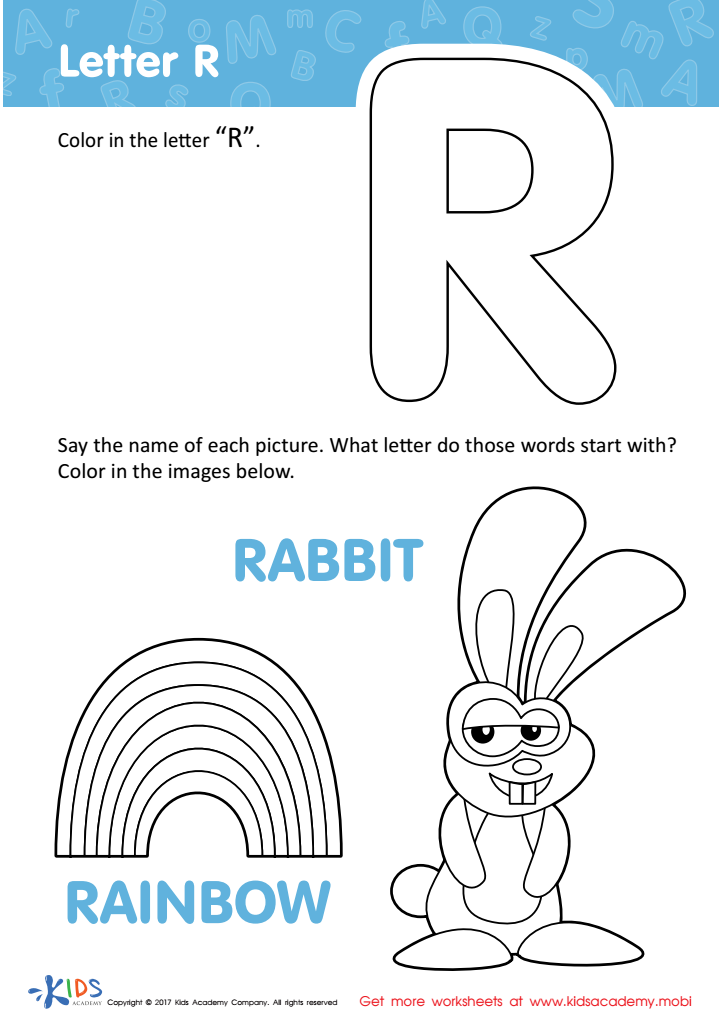
Letter R Coloring Sheet
 Assign to My Students
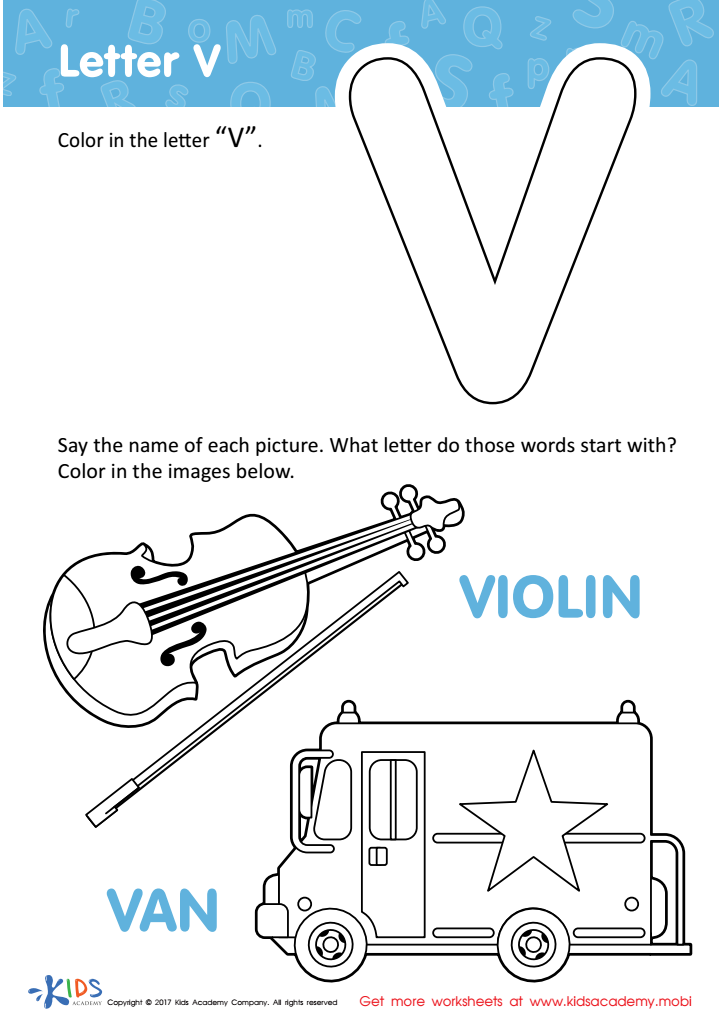
Letter V Coloring Sheet
Assign to My Students
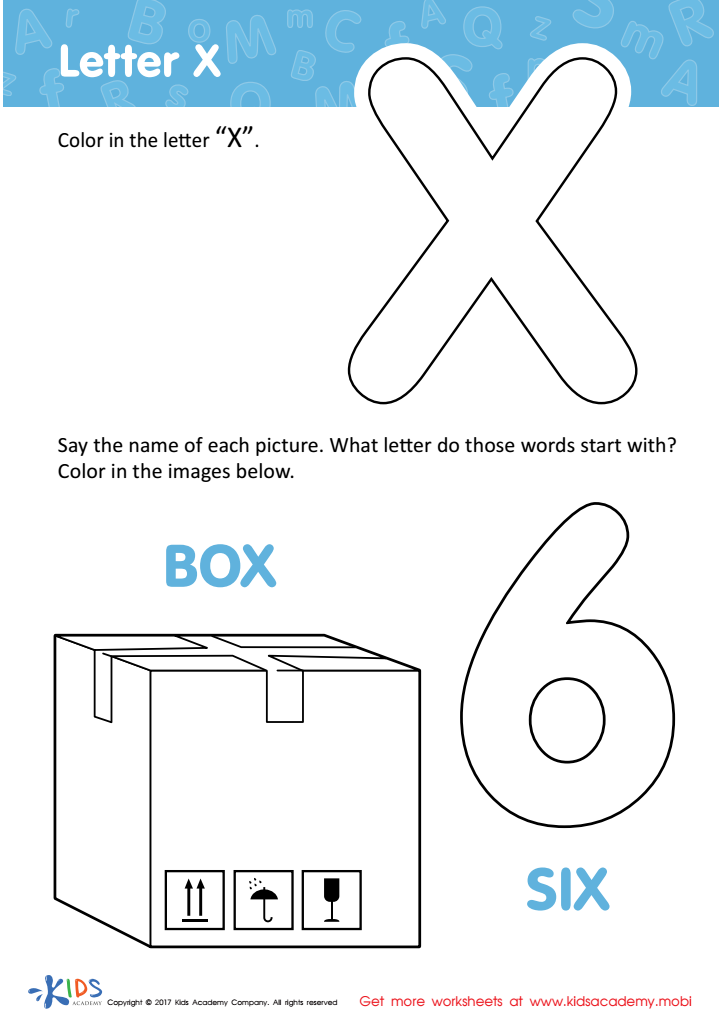
Letter X Coloring Sheet
Assign to My Students








Teaching young children, ages 5-7, to write the alphabet is essential for developing foundational literacy skills. At this age, their cognitive and motor skills are rapidly progressing, and introducing them to writing practice facilitates several key areas of development.
Firstly, writing the alphabet enhances fine motor skills. Creating letters requires children to control and coordinate their hand movements precisely, thus strengthening the muscles in their fingers and hands. This is critical for other activities that require dexterity, such as drawing, playing musical instruments, or using tools.
Secondly, consistent writing practice can improve a child’s cognitive development. It helps solidify their understanding of letter shapes and sounds, making reading and spelling more accessible. Engaging with letters through writing connects visual recognition with physical movement and phonetic sounds, creating a more rounded approach to learning.
Moreover, writing the alphabet boosts confidence and independence. As children master letter formation, they gain a sense of achievement and are encouraged to explore written communication further. This sets a foundation for future writing endeavors.
For teachers and parents, prioritizing alphabet writing practice ensures that young learners develop essential early literacy skills while also instilling a love for learning. This early investment pays dividends in their academic growth and confidence later on.