Comparing quantities Easy Worksheets for Ages 5-7
4 filtered results
-
From - To
Discover our engaging "Comparing Quantities Easy Worksheets" designed specifically for children aged 5-7! These worksheets offer a fun and effective way to help young learners develop essential math skills by practicing comparison concepts such as more, less, equal, and ordering. Featuring delightful illustrations and interactive activities, our resources make learning enjoyable and promote critical thinking. Ideal for both classroom use and at-home practice, these worksheets encourage children to explore quantities in relatable contexts, enhancing their number recognition and cognitive skills. Perfect for reinforcing key concepts, our worksheets ensure that kids gain confidence in comparing quantities while having a blast! Join the learning adventure today!
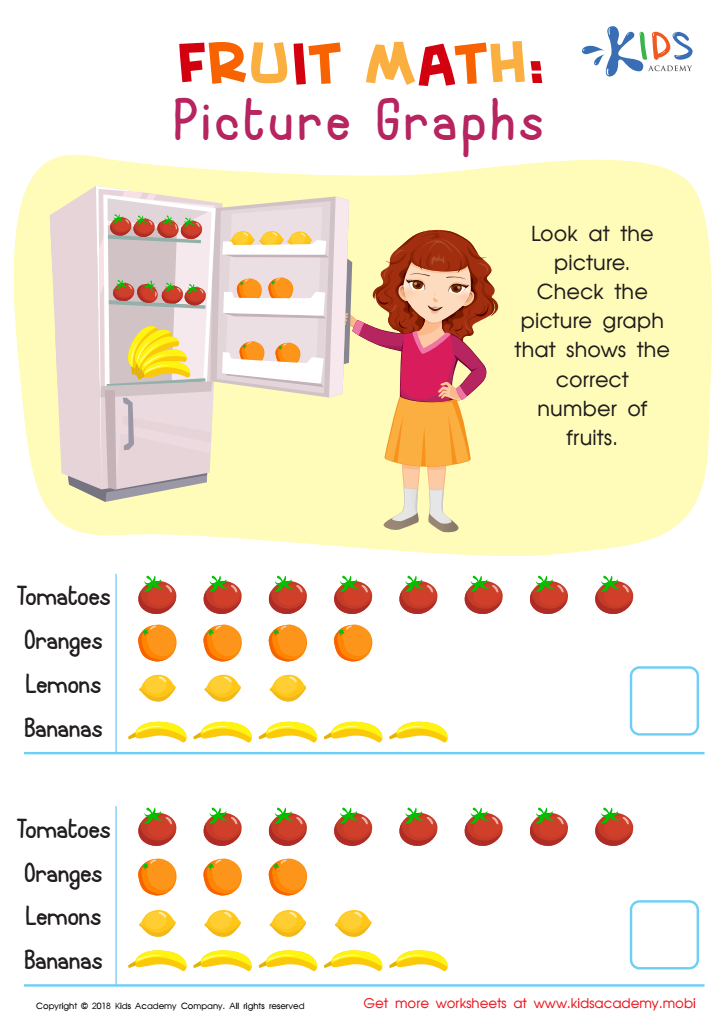
Fruit Math: Picture Graphs Worksheet
 Assign to My Students
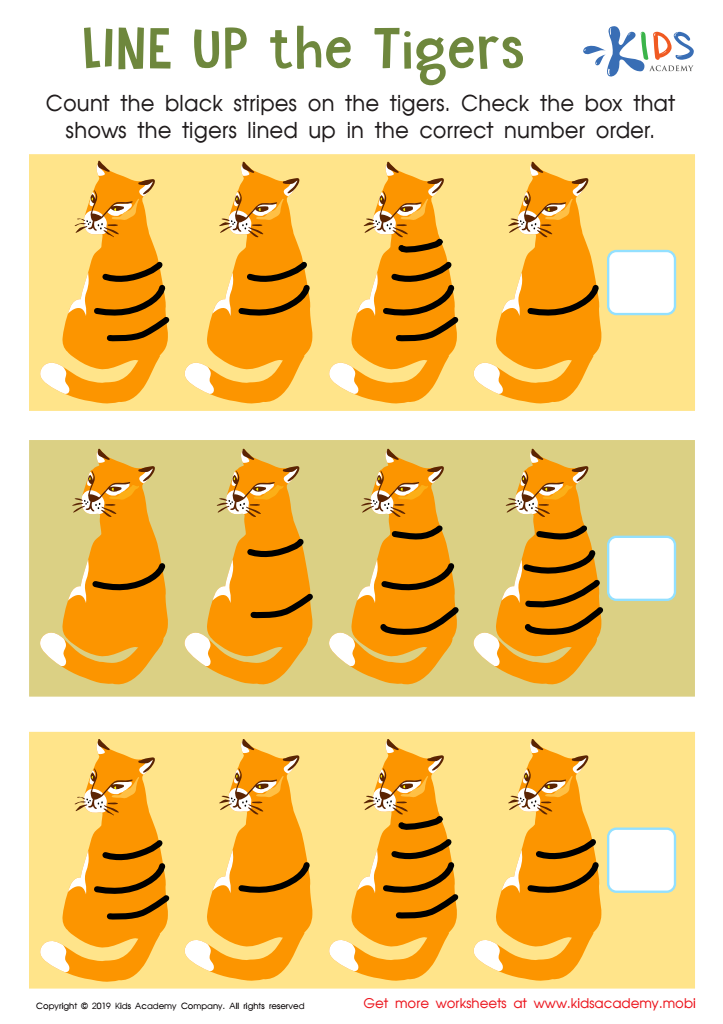
Line up the Tigers Worksheet
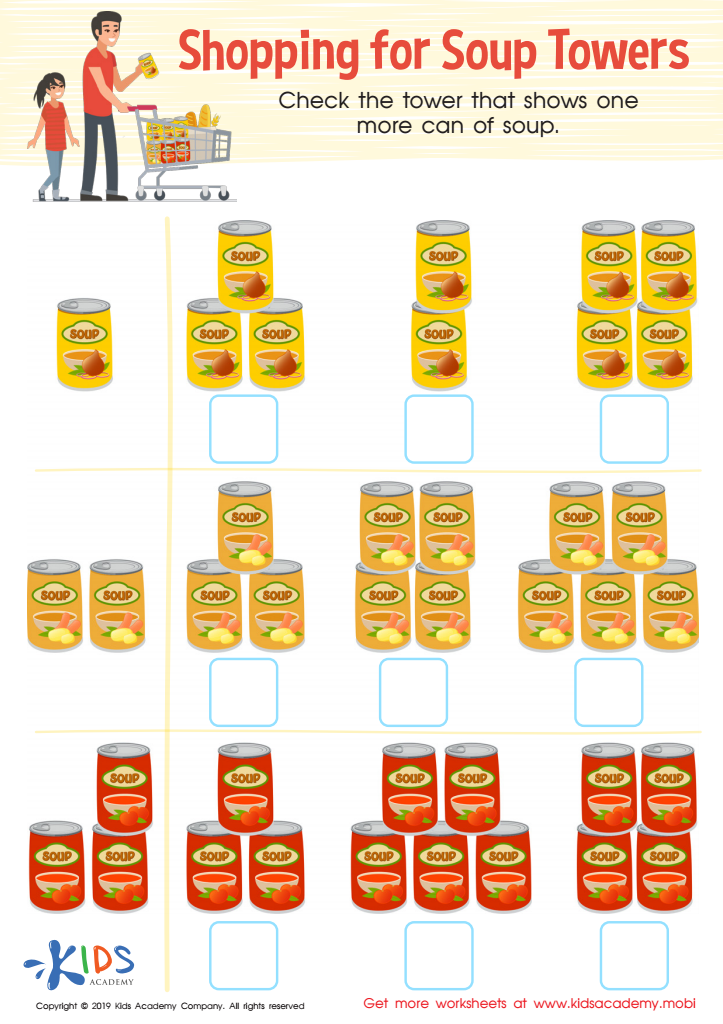
Soup Towers Worksheet
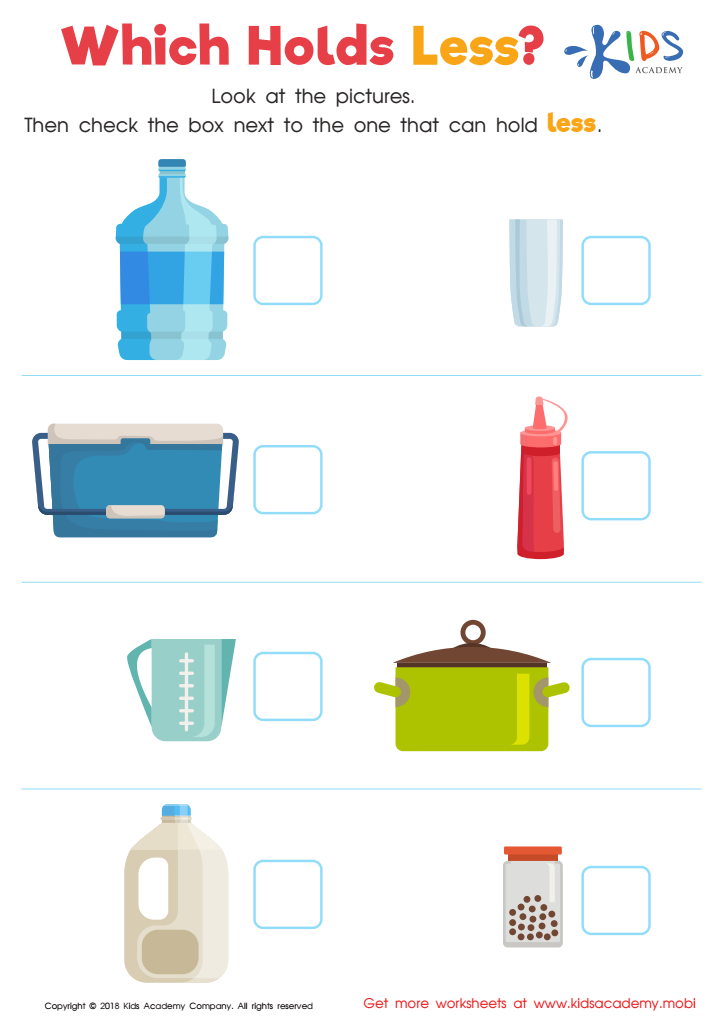
Which Holds Less? Worksheet








Comparing quantities is a foundational math skill that plays a crucial role in a child's development, especially for ages 5-7. Parents and teachers should care about this topic for several compelling reasons. First, mastering the ability to compare quantities lays the groundwork for essential math concepts, such as addition and subtraction. By understanding concepts like more, less, equal, and differences, children gain confidence in numerical thinking, leading to improved problem-solving skills.
Moreover, comparing quantities helps children develop critical thinking abilities. As they learn to assess relationships between different groups, they enhance their ability to make decisions and predictions, skills that are valuable beyond the classroom. Engaging in comparative activities also encourages communication and language development, as children learn to express their reasoning and describe their observations.
Additionally, comparing quantities can be incorporated into everyday scenarios, making math relevant and fun. Simple activities, such as counting fruits or toys, can turn learning into an enjoyable experience. Ultimately, by prioritizing the teaching of quantitative comparisons, parents and teachers foster a strong mathematical foundation that supports future learning and academic success. Nurturing early numeracy skills enhances children's cognitive development and prepares them for more complex concepts in later grades.








