Fine Motor Skills Easy Numbers Worksheets for Ages 5-7 - Page 2
28 filtered results
-
From - To
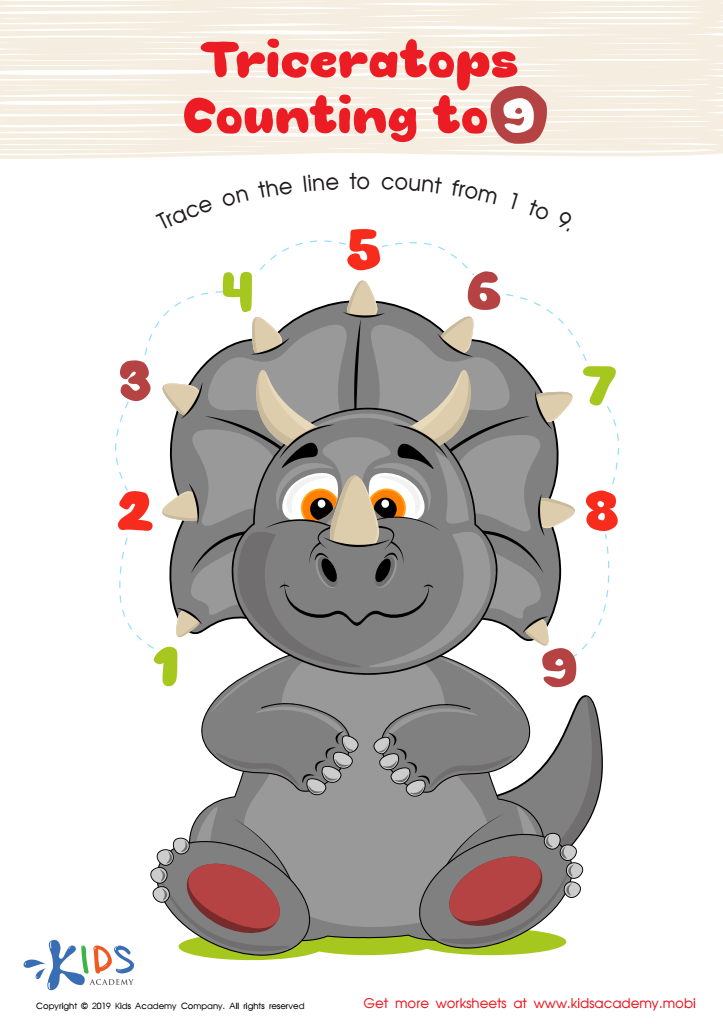
Triceratops Counting to 9 Worksheet
 Assign to My Students

Counting on the City Skyline: Dot-to-Dot Worksheet
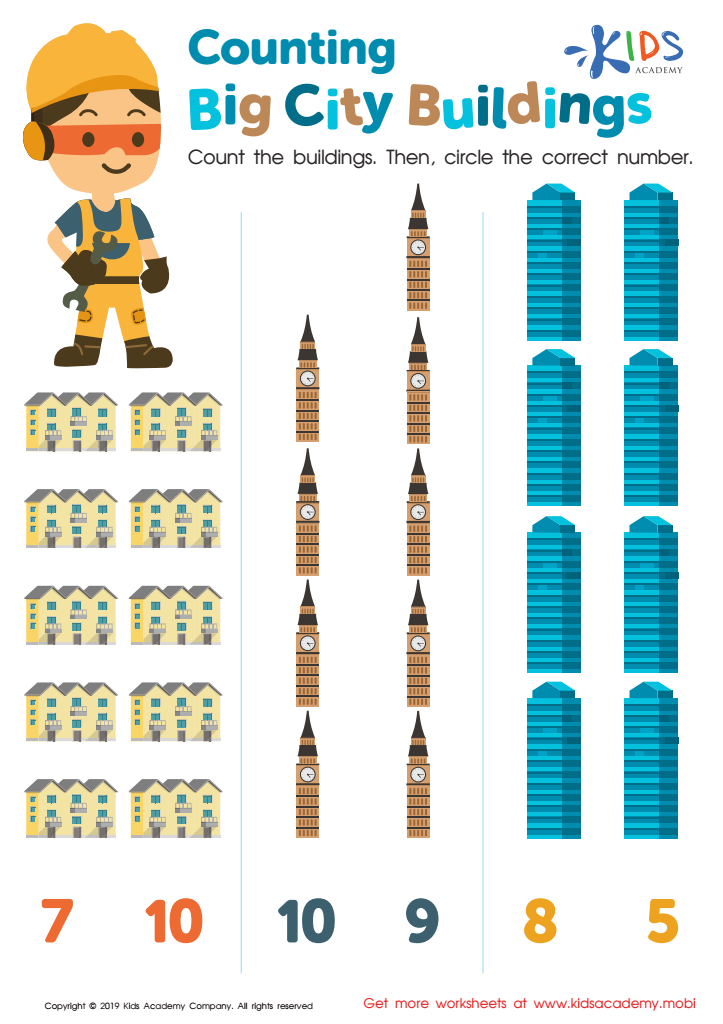
Counting Big City Buildings Worksheet

Night Sky Numbers Worksheet








Fine motor skills are essential for young children's overall development, particularly for those aged 5-7. These skills involve the coordination of small muscles in the hands and fingers, crucial for tasks such as writing, buttoning clothes, and using scissors. Parents and teachers need to pay attention to fine motor skills because they form the foundation for academic and everyday activities. When children practice easy number activities, such as tracing or drawing numbers, they not only learn basic math concepts but also enhance their fine motor abilities.
Improvement in fine motor skills contributes to better handwriting, which is important for taking notes and completing assignments as they progress in their education. Furthermore, these skills boost a child's confidence and independence, allowing them to perform tasks without adult assistance. Engaging children in activities that develop fine motor skills, like counting objects, connecting dots, or manipulating small items, also enhances their hand-eye coordination and cognitive development.
Additionally, early attention to these skills can identify potential delays in development, allowing for timely intervention. Educators and parents who focus on incorporating fine motor skills exercises within the learning environment pave the way for smoother academic and personal growth. Hence, addressing fine motor skills early on is crucial for a child's holistic development and future success.








