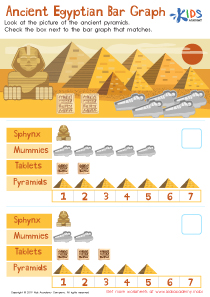
Fraction visualization Easy Math Worksheets for Ages 5-7
4 filtered results
-
From - To
Discover the perfect resource for young learners with our "Fraction Visualization Easy Math Worksheets" tailored for ages 5-7! Designed to nurture foundational math skills, these worksheets introduce children to fractions in a fun and engaging way. Through vibrant illustrations and relatable examples, kids will explore whole parts, halves, and quarters as they visualize fractions effortlessly. Each worksheet provides interactive exercises that promote hands-on learning and critical thinking. Encourage a love for math and boost confidence in your child's understanding of fractions with these accessible and enjoyable activities. Start their mathematical journey on the right foot with our easy-to-follow worksheets today!
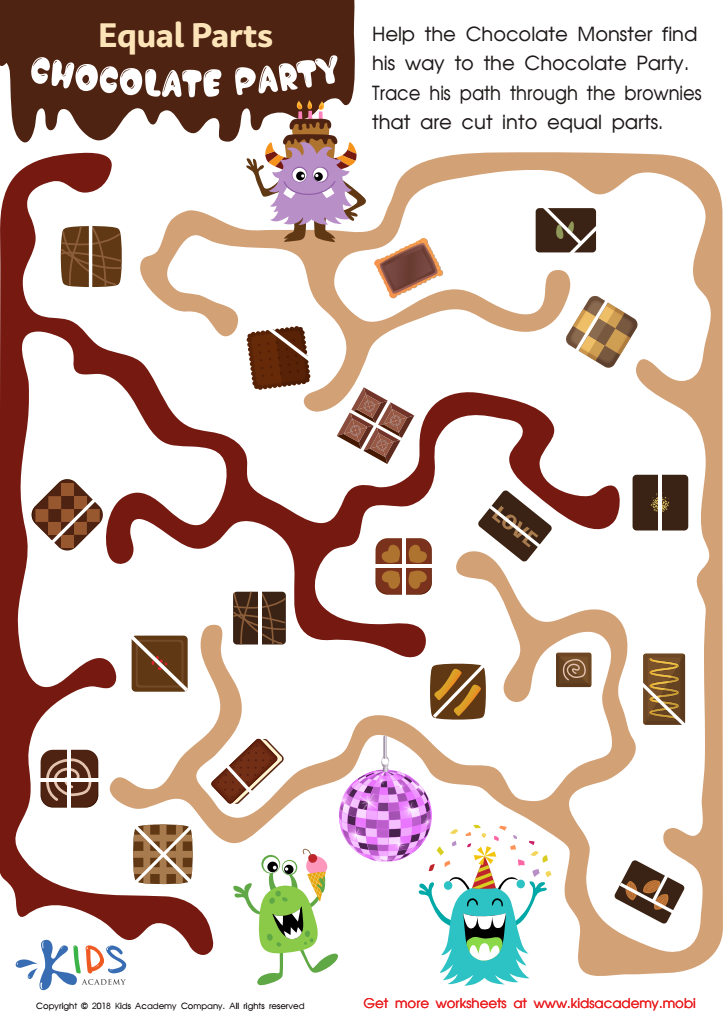
Equal Parts: Chocolate Party Worksheet
 Assign to My Students
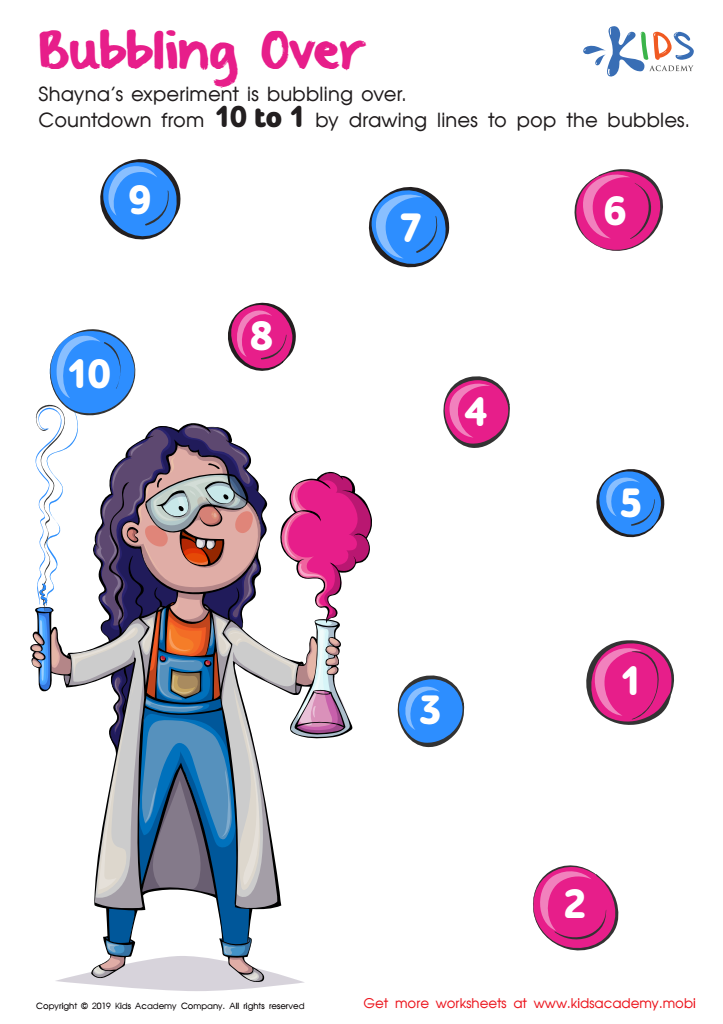
Bubbling Over Worksheet
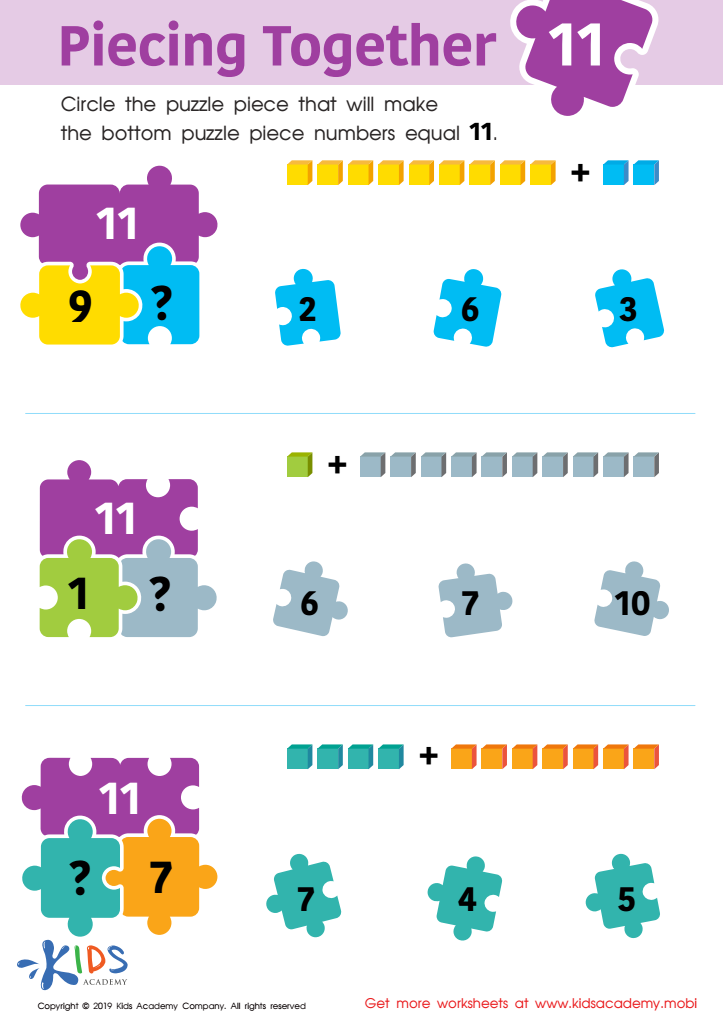
Piecing Together 11 Worksheet
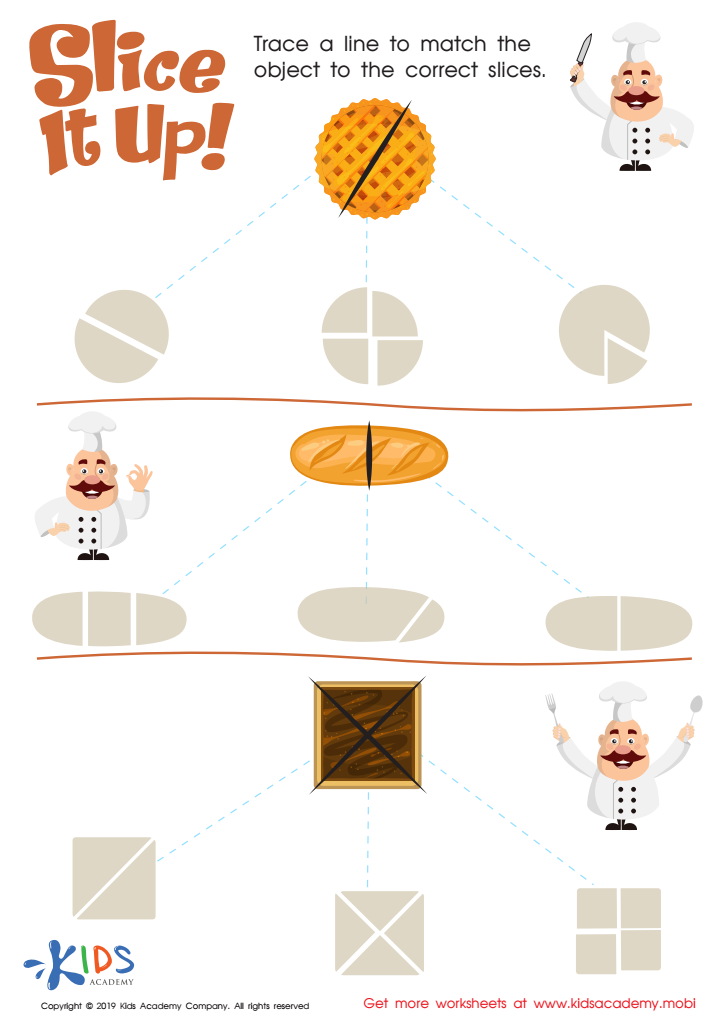
Slice It Up Worksheet







Fraction visualization is essential for children aged 5-7 as it lays the groundwork for their mathematical understanding. At this age, children are at a critical stage of cognitive development, where they begin to grasp abstract concepts. Understanding fractions through visualization helps to make these concepts tangible.
When parents and teachers emphasize fraction visualization, they equip children with the ability to conceptualize parts of a whole, which is fundamental for future mathematical learning. Activities such as using fraction strips, pie charts, or visual models like blocks can transform abstract numbers into relatable visuals, fostering deeper comprehension. This hands-on experience encourages problem-solving skills and enhances critical thinking.
Moreover, fraction visualization supports the development of mathematical language. When children can visualize fractions, they gain the vocabulary to articulate their reasoning and understanding. This can boost their confidence in mathematics, making them more enthusiastic learners.
Ultimately, by prioritizing fraction visualization, parents and teachers can help children develop a strong mathematical foundation, promote a positive attitude towards learning, and prepare them for more complex mathematical concepts in the future. Taking these steps can significantly influence a child's overall academic success and foster a lifelong love for mathematics.