Problem-solving practice Easy Math Worksheets for Ages 5-7
3 filtered results
-
From - To
Unlock the world of mathematics for young learners with our "Problem-Solving Practice Easy Math Worksheets for Ages 5-7." Designed to captivate and engage, these worksheets help children develop critical thinking and problem-solving skills through fun and interactive activities. Each worksheet provides easy-to-understand math problems that reinforce foundational concepts in addition, subtraction, patterns, and more. Perfect for classroom use or at-home practice, these sheets support the development of essential math skills in an enjoyable way. Help your child build confidence and a love for math with these expertly designed resources!
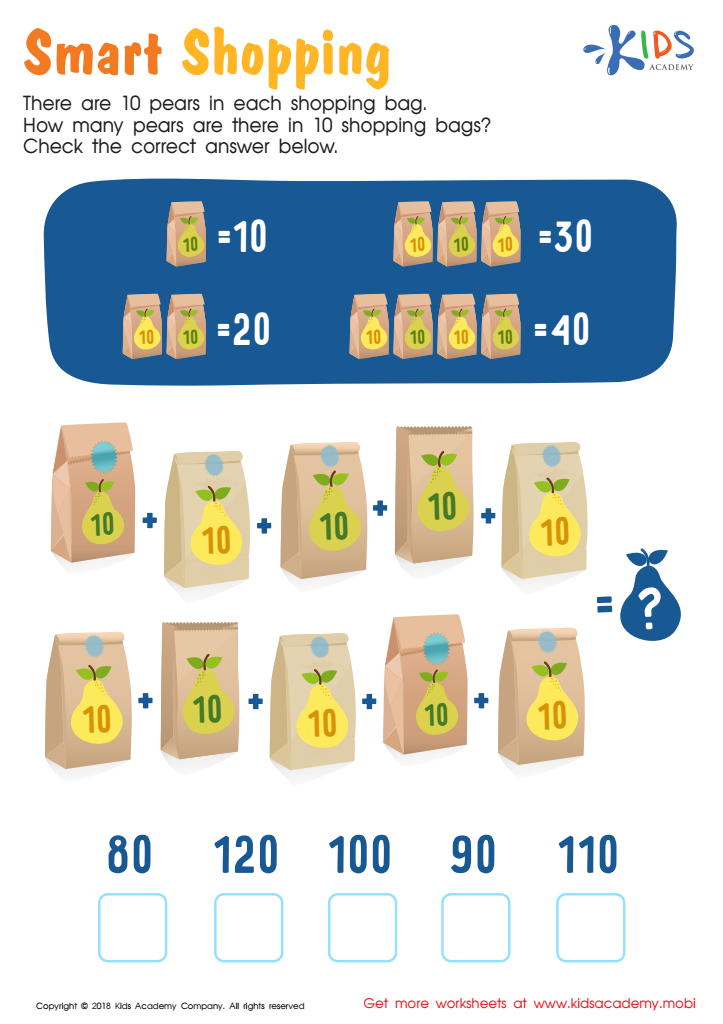
Smart Shopping: Trade Tens for a Hundred Worksheet
 Assign to My Students
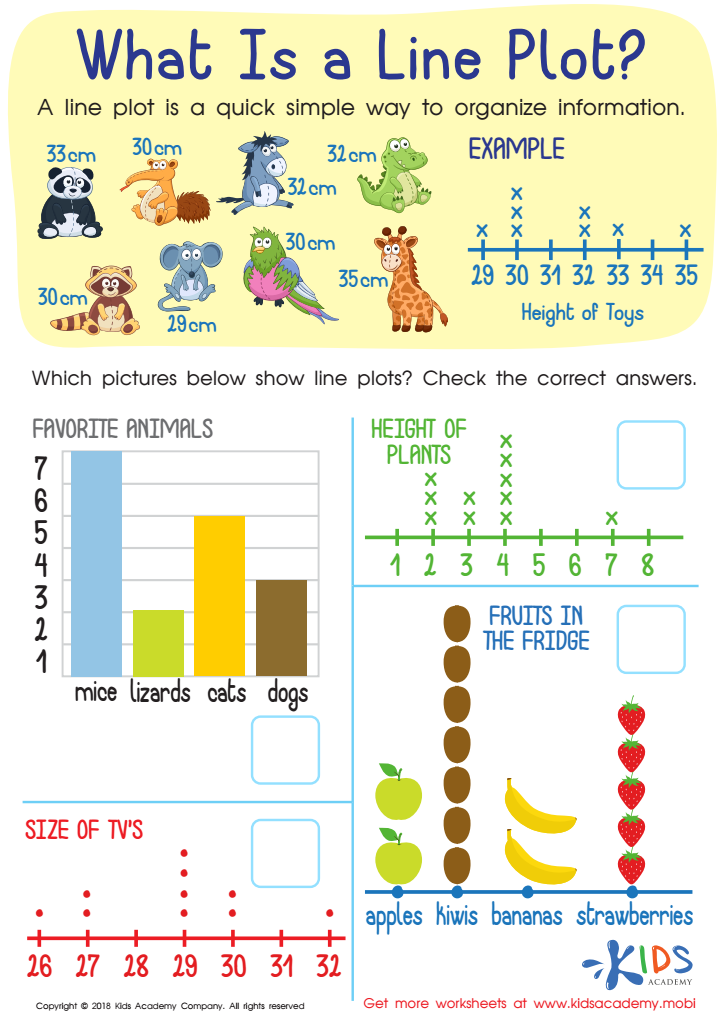
What Is a Line Plot? Worksheet
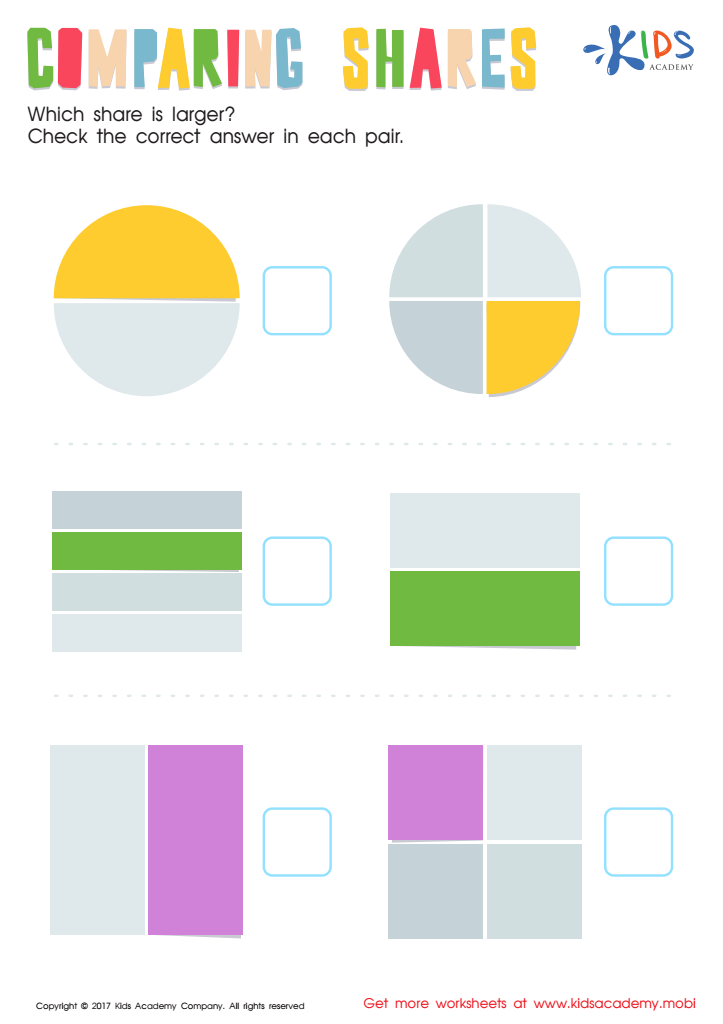
Comparing Shares Worksheet







Parents and teachers should emphasize problem-solving practice in early math education for ages 5-7 because it cultivates foundational skills essential for future academic success and everyday life. At this critical developmental stage, children's brains are remarkably receptive to learning and absorbing new concepts. Engaging in problem-solving exercises enhances their ability to think critically and approach challenges logically.
Through these activities, young children learn to break down complex tasks into manageable steps, fostering patience and persistence. Improving their numerical and spatial understanding, early math practice helps build confidence and positive attitudes towards mathematics, which benefits their long-term educational journey. Moreover, problem-solving in math encourages creativity, as children explore multiple methods to arrive at solutions. This replicates real-life scenarios where problems often have more than one pathway to resolution.
Additionally, problem-solving tasks can support collaborative learning where children discuss and work together, promoting social skills like communication and teamwork. Parents and teachers can utilize these exercises to assess and address individual learning needs, offering personalized support. Thus, prioritizing problem-solving practice in early math education sets a solid foundation for lifelong learning and problem-solving abilities, crucial for personal and professional success.








