Basic Math Skills Easy Numbers 0–10 Worksheets for Ages 5-7
4 filtered results
-
From - To
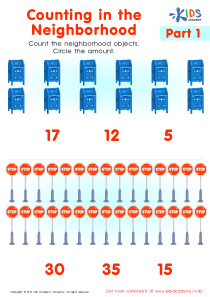
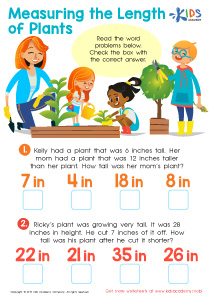
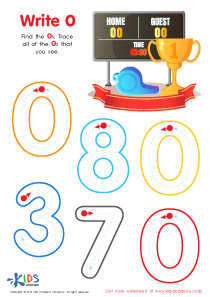
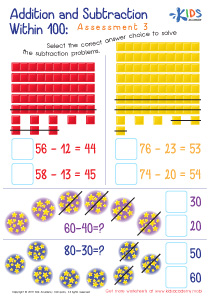
Discover our engaging "Basic Math Skills Easy Numbers 0–10 Worksheets" designed specifically for children ages 5-7. These colorful and interactive worksheets provide a fun and effective way for young learners to grasp essential math concepts. Covering topics such as number recognition, counting, and simple addition, each activity encourages hands-on practice that enhances understanding and boosts confidence. Our worksheets are perfect for at-home learning or supplementary classroom activities, tailored to meet the needs of early learners. Help your child build a strong foundation in math while enjoying the learning process! Explore our collection and watch their skills blossom today!
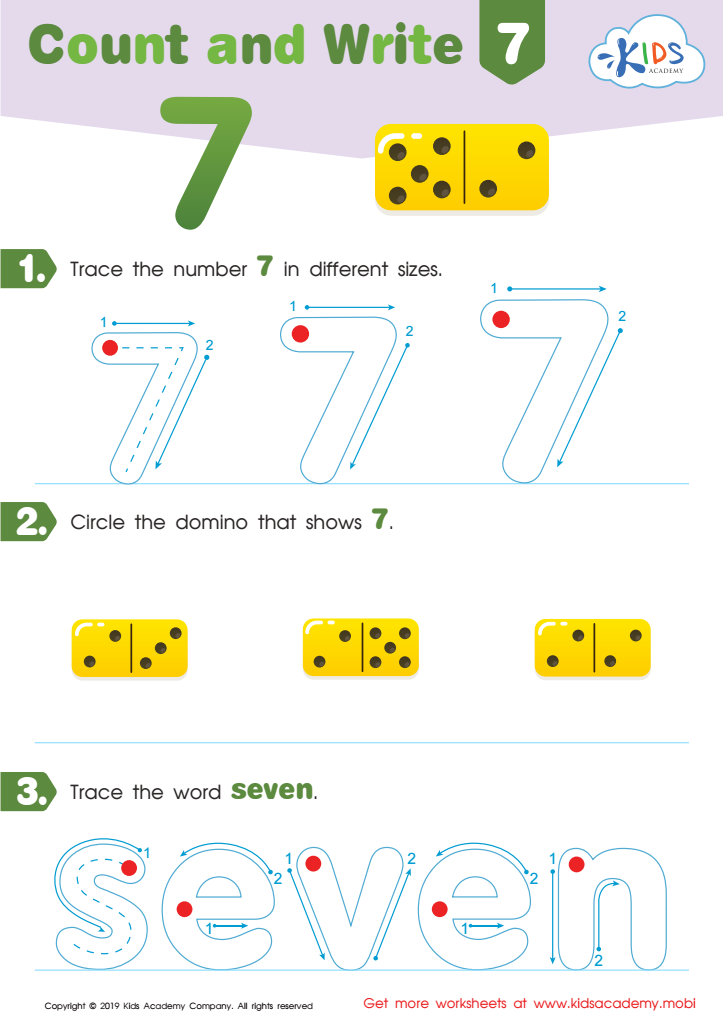
Count and Write 7 Worksheet
 Assign to My Students
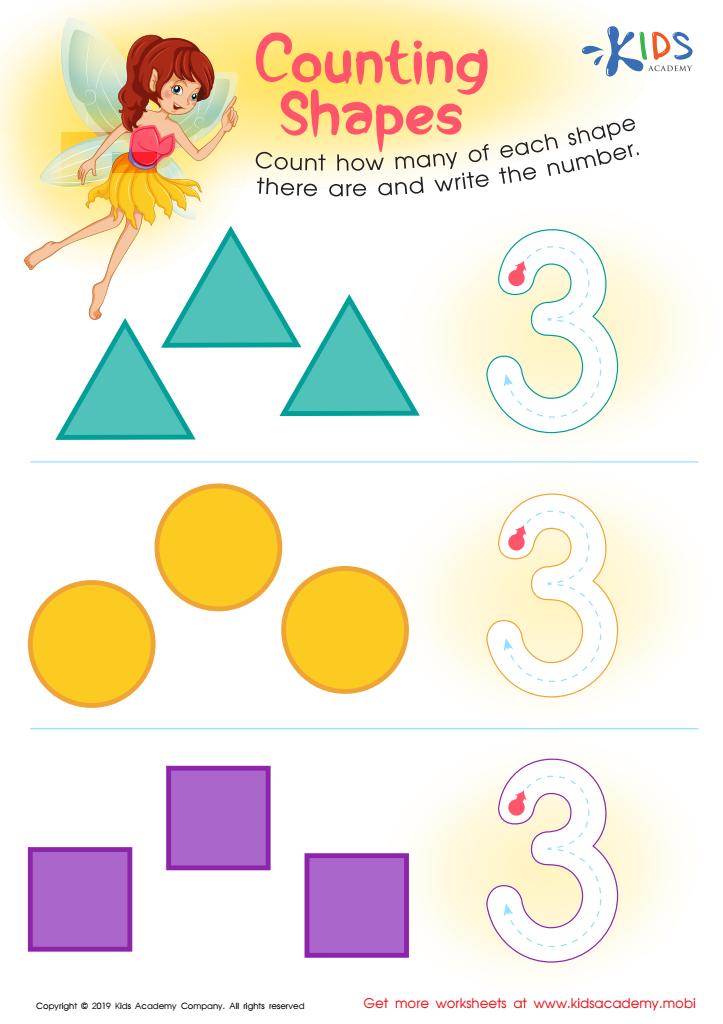
Counting Shapes Worksheet
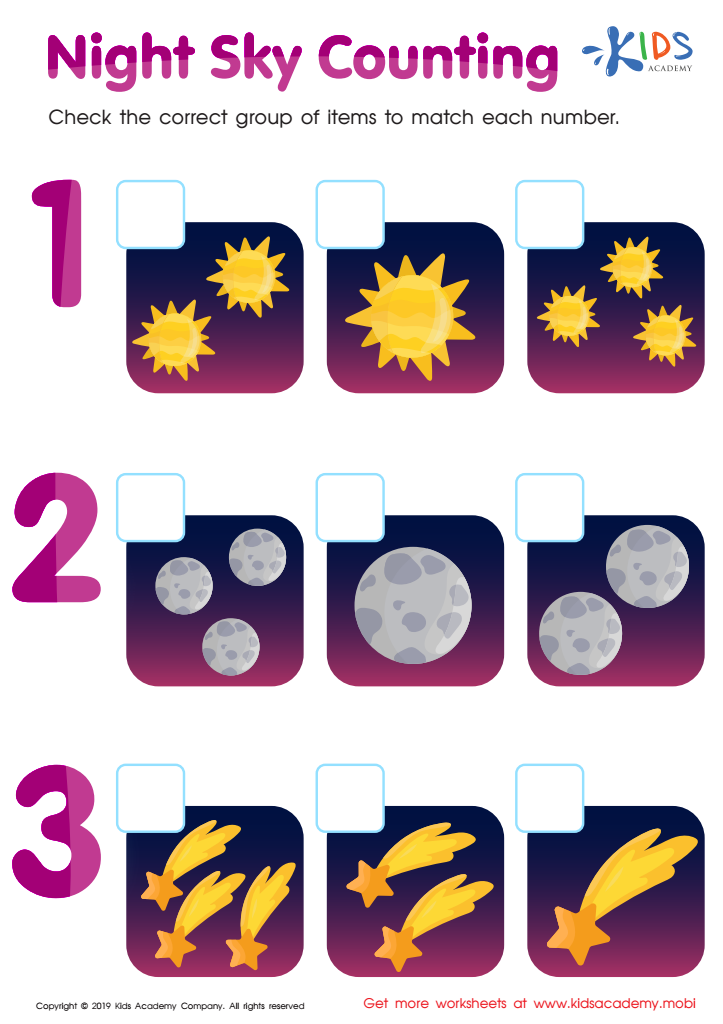
Night Sky Counting Worksheet
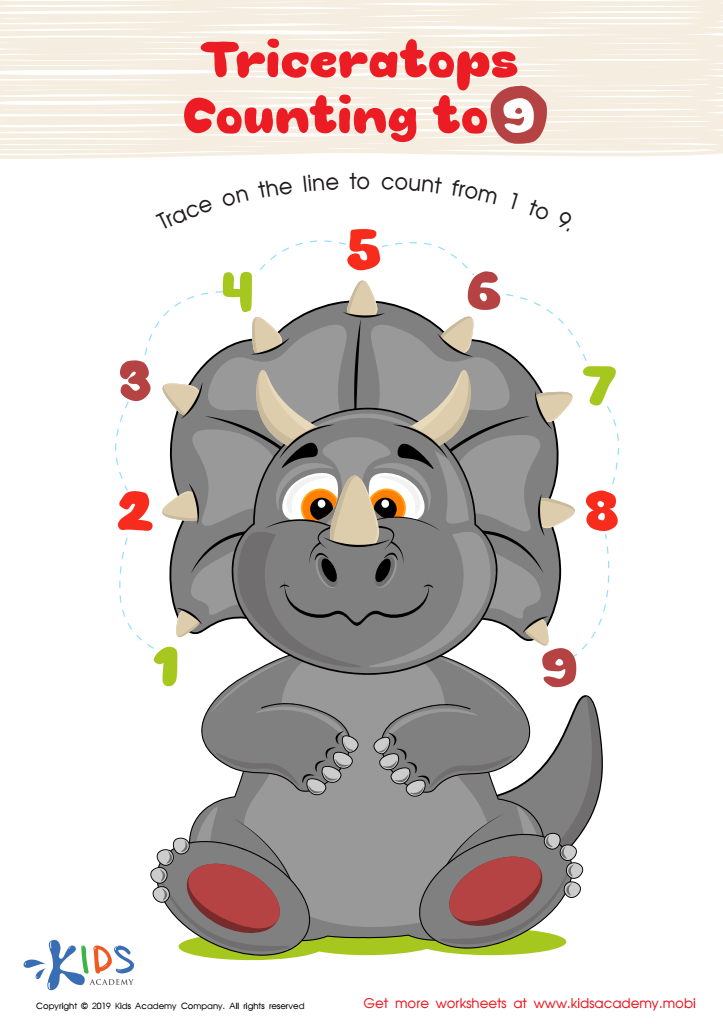
Triceratops Counting to 9 Worksheet








Basic math skills form the foundation for a child's academic success and everyday functioning, making it essential for parents and teachers to prioritize learning numbers from 0 to 10 for children aged 5 to 7. At this stage, children are developing critical cognitive and problem-solving abilities, and fluency in basic math helps enhance their confidence and fosters a positive attitude towards learning.
When children grasp the fundamental concepts of counting, number recognition, and simple addition or subtraction within this range, they build the groundwork for more advanced mathematical skills they'll encounter later in school. Early mastery of these basic skills aids in overall cognitive development, encouraging children to think logically and approach challenges methodically.
Additionally, early math skills play a significant role in developing critical real-life skills, such as measuring, budgeting, and understanding time, which grow in complexity throughout life. By investing time in teaching numbers 0–10, caregivers support their children's emotional and academic growth while establishing an effective learning environment that nurtures inquiry.
Ultimately, a solid foundation in basic math promotes lifelong skills, creating confident learners who find joy in tackling new challenges, which benefits not just their academic lives but social interactions and daily decision-making processes as well.