Number comparison Easy Numbers 0–10 Worksheets for Ages 5-7
3 filtered results
Difficulty Level
Grade
Age
-
From - To
Subject
Activity
Standards
Introduce your little ones to the basics of number comparison with our "Number Comparison Easy Numbers 0–10 Worksheets for Ages 5-7"! These engaging worksheets are specially designed to help young learners grasp the concepts of greater than, less than, and equal to, using numbers 0 through 10. Perfect for children in kindergarten and first grade, these fun, educational activities enhance your child's number sense and build a strong foundation in math. Featuring colorful illustrations and simple exercises, our worksheets ensure learning is enjoyable and effective. Start your child's mathematical journey with our easy-to-follow, printable worksheets today!
Favorites
With answer key
Interactive
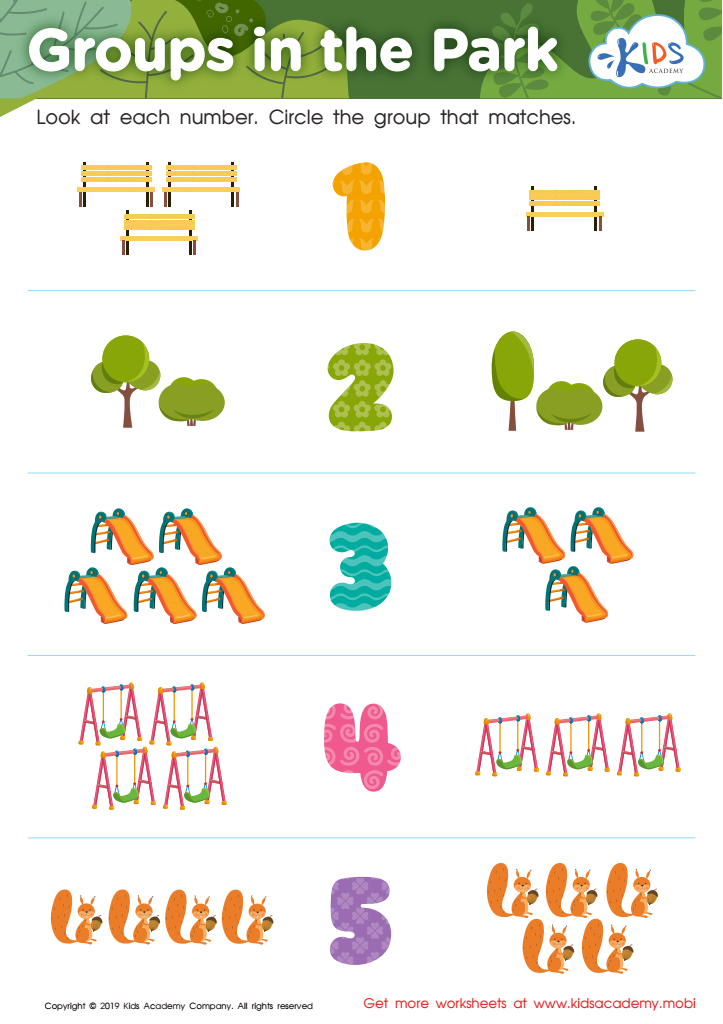
Groups in the Park Worksheet
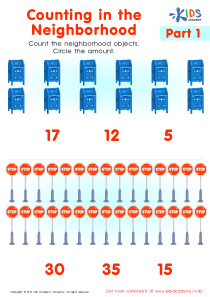
Take your kids to the park and let them enjoy the freedom to play! Ask them what they love doing most and study a picture together - name items and count objects in the sets, then circle the correct one. It's a fun way for your kids to learn.
 Assign to My Students
Groups in the Park Worksheet
Worksheet
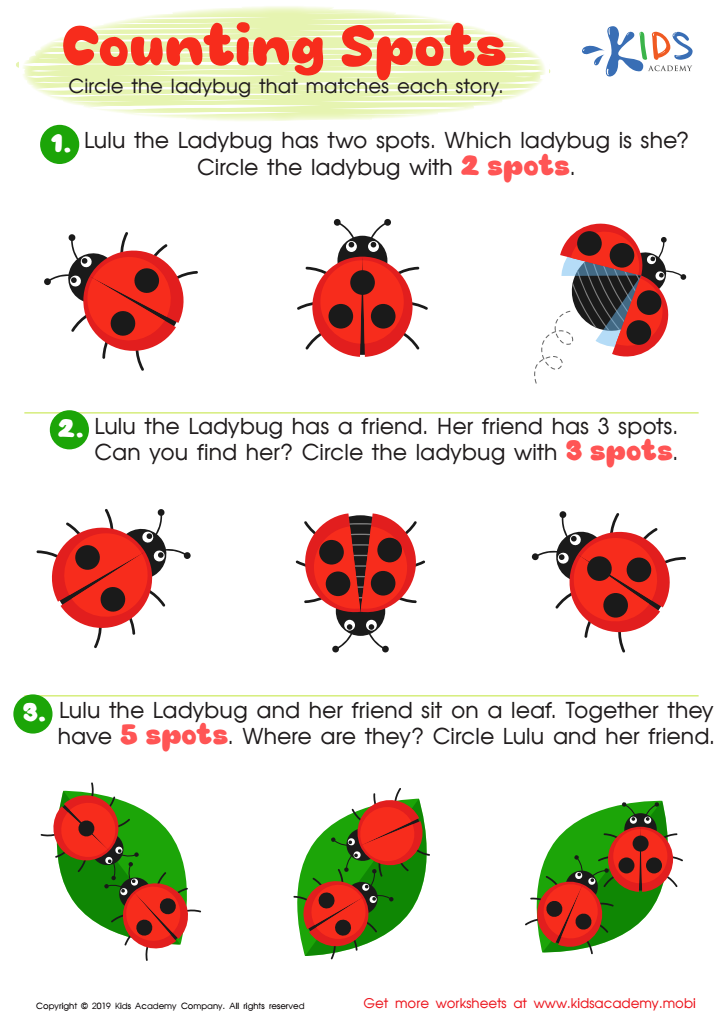
Counting Spots Worksheet
This worksheet is full of cute, colorful ladybugs. Help your kids identify Lulu, who has two spots on her body. Count the spots on each ladybug and circle the one with two spots. Then read the instructions on the other sections and help them find the ladybugs there, too!
Counting Spots Worksheet
Worksheet
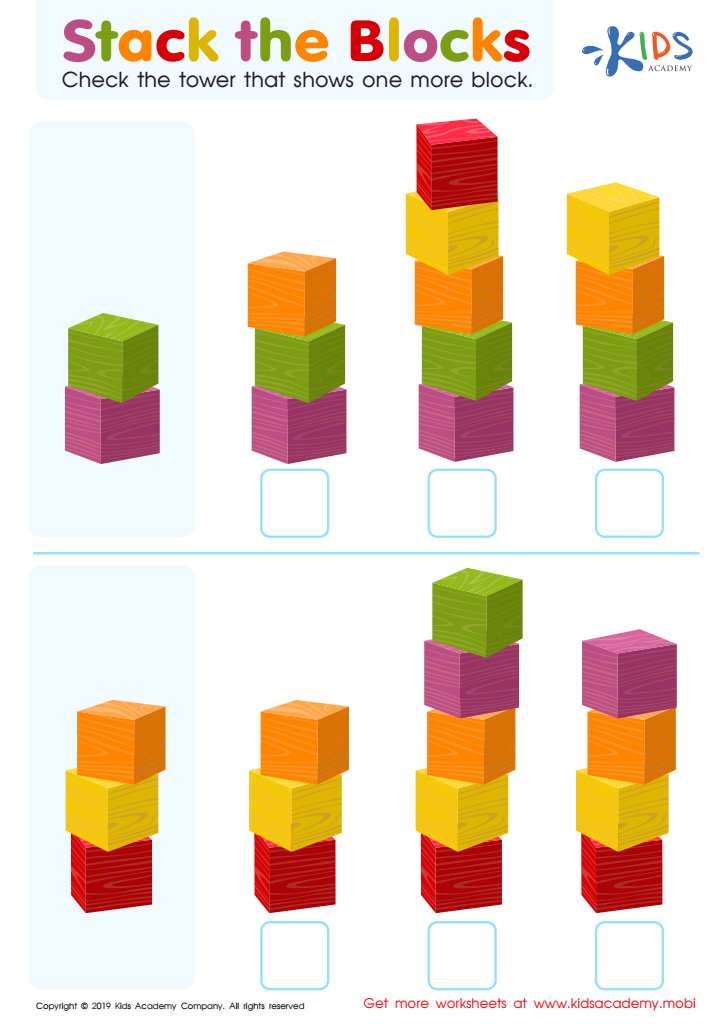
Stack the Blocks Worksheet
Playing with blocks is a great way for kids to learn! They can create patterns, shapes, and even count. In this worksheet, ask them to identify the colors and count each stack of blocks. If they can spot one extra block in the tower, even better! Encourage learning through play with these fun blocks.
Stack the Blocks Worksheet
Worksheet
Join Kids Academy for Free
Who is primarily going to use this learning content?








Understanding number comparison (0-10) for children aged 5-7 is foundational for their math development. At this age, looking at and comparing small numbers helps children build a solid base for more complex arithmetic skills. Comparing numbers teaches critical thinking as children learn to evaluate sizes and quantities, and it also enhances their ability to recognize patterns.
Establishing proficiency in number comparison boosts a child's confidence in dealing with numbers, making future math learning experiences less daunting. It's not just about knowing which number is bigger or smaller; it's about developing the mathematical language needed to describe differences, an essential concept they will use throughout their education.
Parents and teachers should care because early competence in number comparison translates to better performance in higher-level math tasks like addition, subtraction, and measuring. These learning experiences can also foster problem-solving skills and logical thinking, both extremely valuable in life.
Moreover, children who grasp the concept early are more likely to enjoy learning math. Making math engaging through everyday situations like comparing toys, fruits, or even steps can be fun and educational. In summary, investing time in teaching number comparison ensures children have a strong numerical foundation, setting them up for long-term academic success.