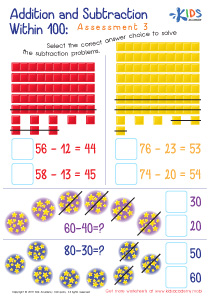
Sorting skills Easy Numbers 0–10 Worksheets for Ages 5-7
3 filtered results
-
From - To
Enhance your child's sorting skills with our engaging "Easy Numbers 0-10 Worksheets" designed for ages 5-7. These worksheets provide a fun way to help young learners sort and categorize numbers, fostering foundational math abilities. With colorful illustrations and interactive activities, children will enjoy practicing their skills while building confidence in their number recognition and organization. Each worksheet targets essential sorting concepts, making learning both enjoyable and effective. Ideal for at-home practice or classroom activities, these resources will pave the way for your child's mathematical success. Start their sorting journey today and watch them thrive in their early math exploration!
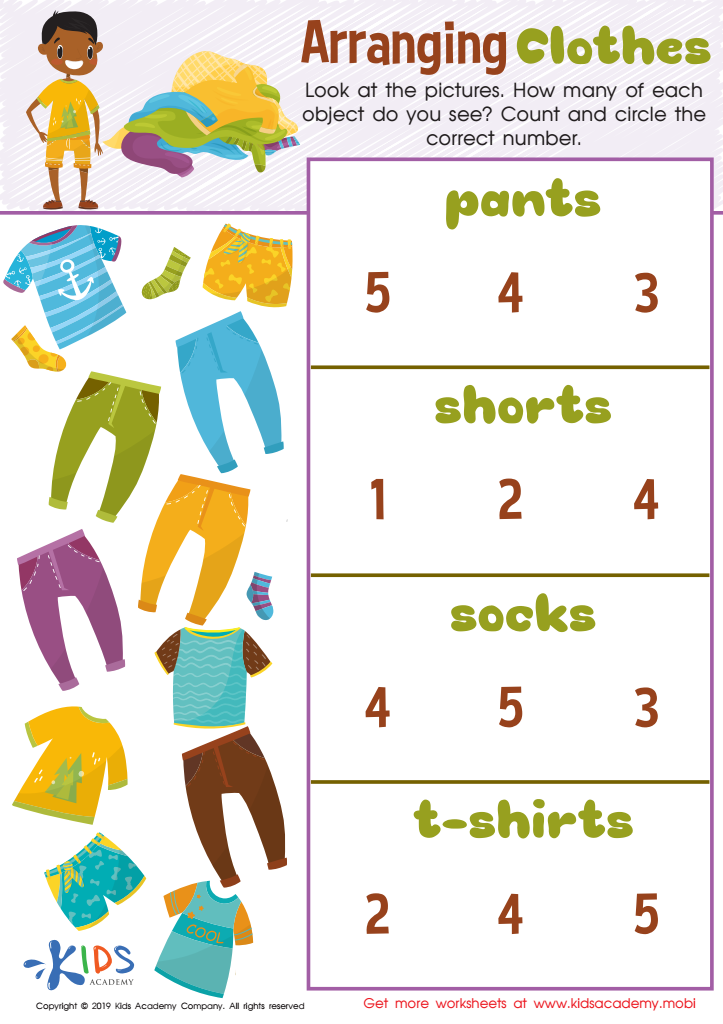
Arranging Clothes Worksheet
 Assign to My Students
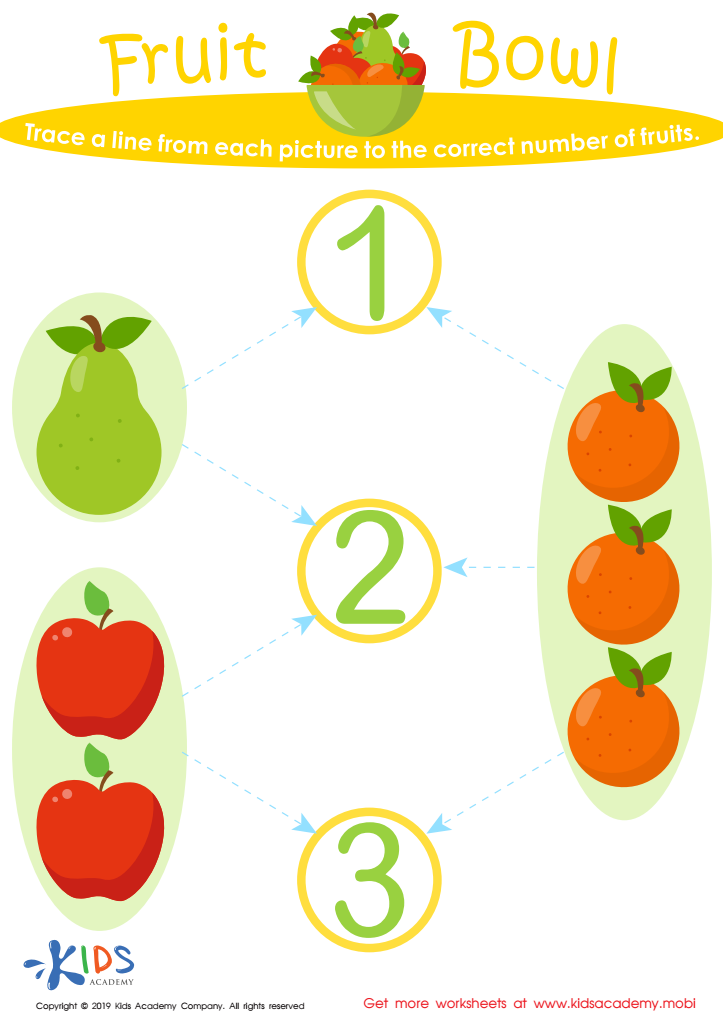
Fruit Bowl Worksheet
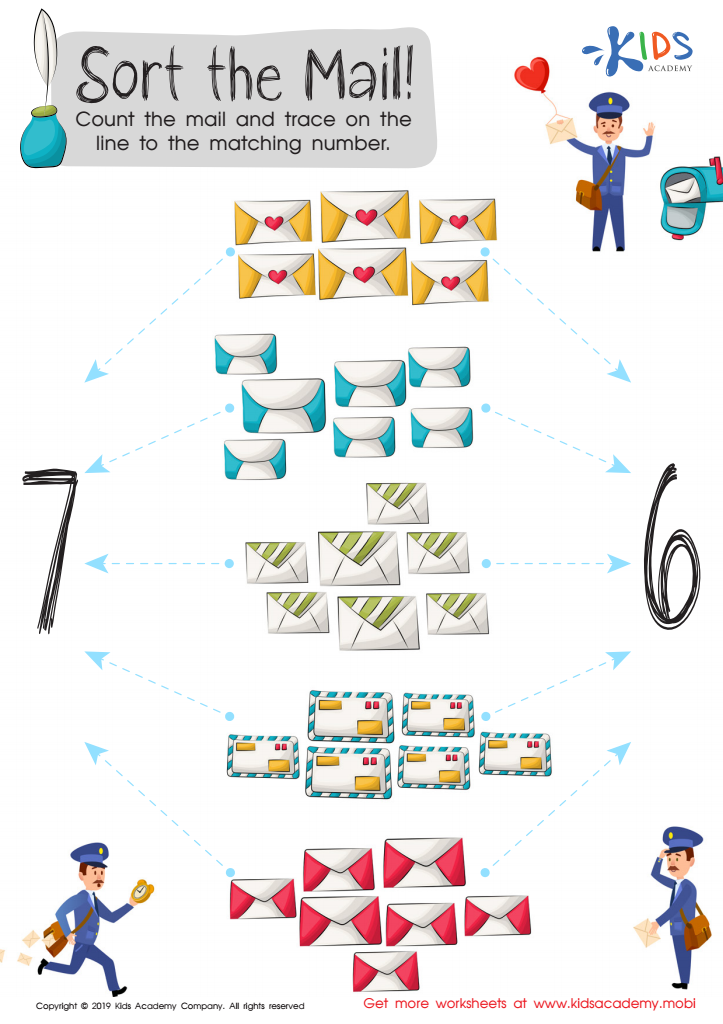
Sort the Mail Worksheet








Sorting skills are fundamental for children aged 5-7, as they form the groundwork for critical thinking, problem-solving, and mathematical understanding. Teaching sorting with easy numbers 0-10 helps young learners classify, categorize, and recognize patterns, which are vital cognitive processes found in numerous aspects of learning and everyday life.
When parents or teachers focus on sorting exercises, they empower children to make connections between numbers, enhancing their numerical sense and promoting a strong foundation in mathematics. Sorting activities encourage children to engage actively with numbers, facilitating better retention and comprehension. For instance, combining colors, shapes, or sizes alongside numerical sorting can enhance visual and tactile learning.
Moreover, sorting teaches essential skills such as organization and decision-making, guiding children to evaluate attributes and relationships between various items. These skills also translate into improved language development as children describe their reasoning.
By emphasizing sorting skills early on, educators and parents nurture confident learners capable of tackling more complex mathematical concepts, thereby supporting their academic success and preparing them for future learning challenges. Encouraging collaborative sorting activities can also enhance social skills, as children learn to express themselves, share ideas, and work together effectively.