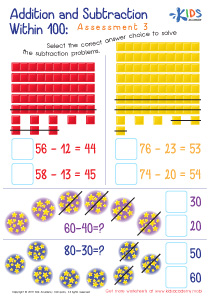
Fine Motor Skills Easy Numbers 11–20 Worksheets for Ages 5-7
4 filtered results
-
From - To
Discover our engaging "Fine Motor Skills Easy Numbers 11–20 Worksheets" tailored for children aged 5-7! These worksheets seamlessly blend the development of fine motor skills with early math learning, helping young learners grasp numbers while improving hand-eye coordination and control. Featuring a variety of fun activities, your child will enjoy tracing, coloring, and interacting with numbers 11 to 20 through captivating designs. Perfect for preschool and homeschool settings, these worksheets promote confidence and skill in foundational math concepts. Start your child’s journey to numeracy mastery today, nurturing both their mathematical understanding and fine motor abilities in an enjoyable way!
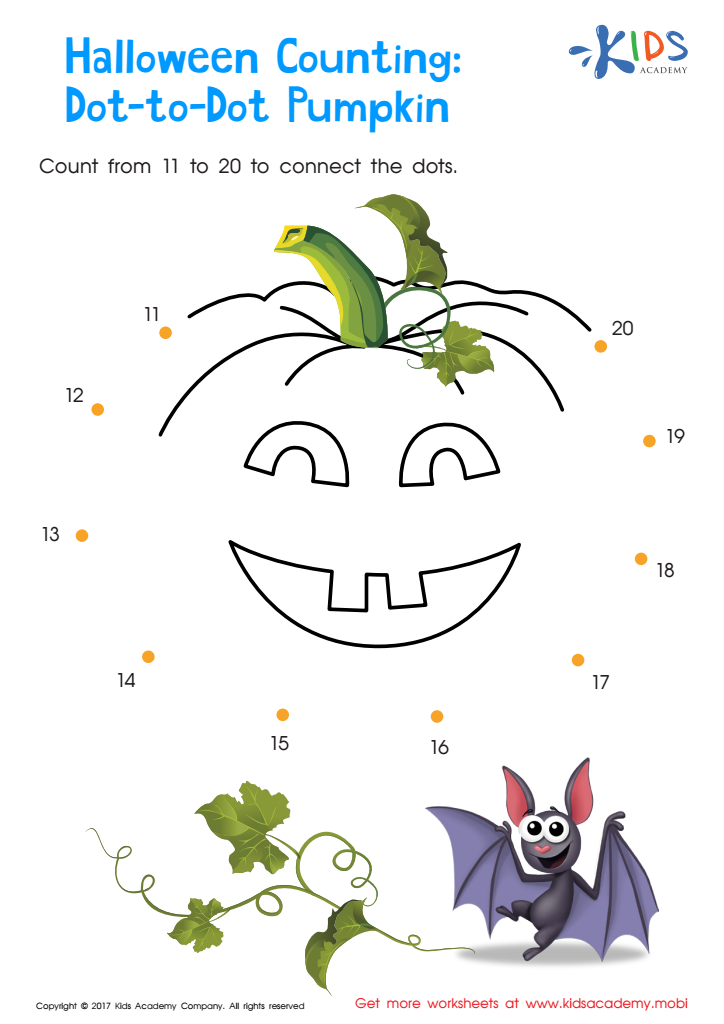
Ordering 11–20: Halloween Counting Worksheet
 Assign to My Students
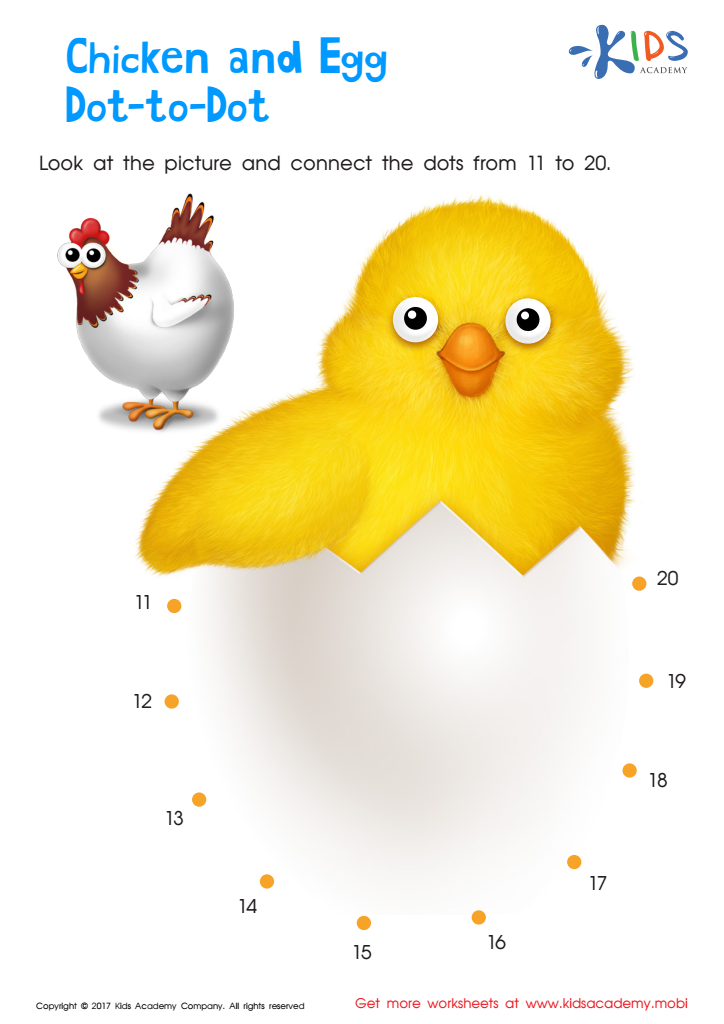
Ordering 11–20: Chicken & Egg Dot–to–dot Worksheet
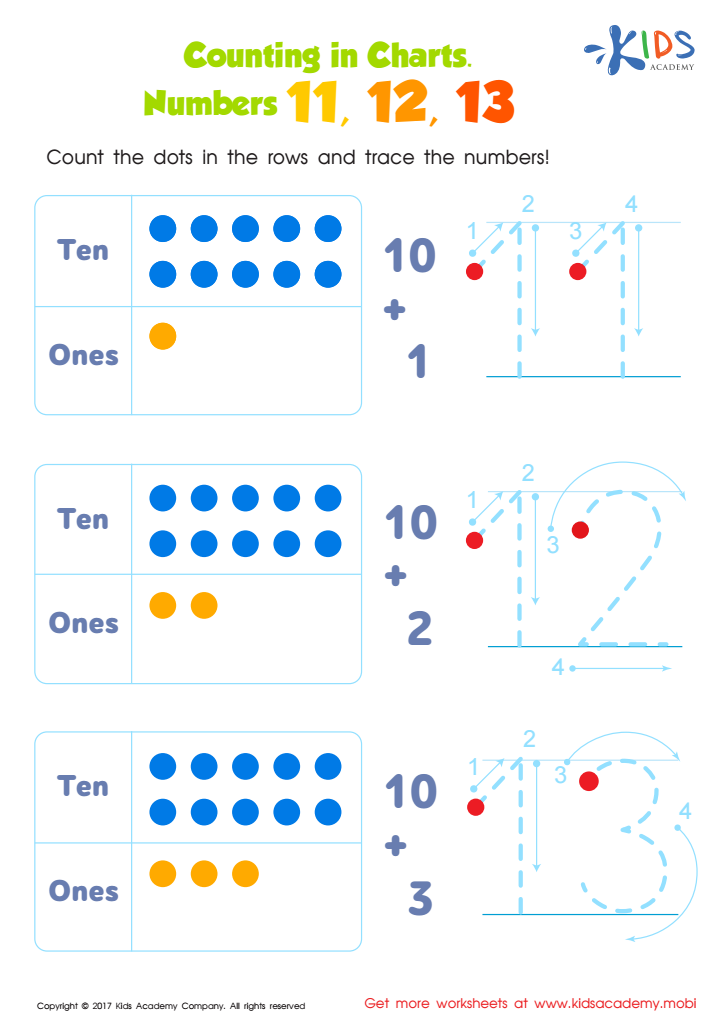
Number Tracing Worksheet For Kindergarten
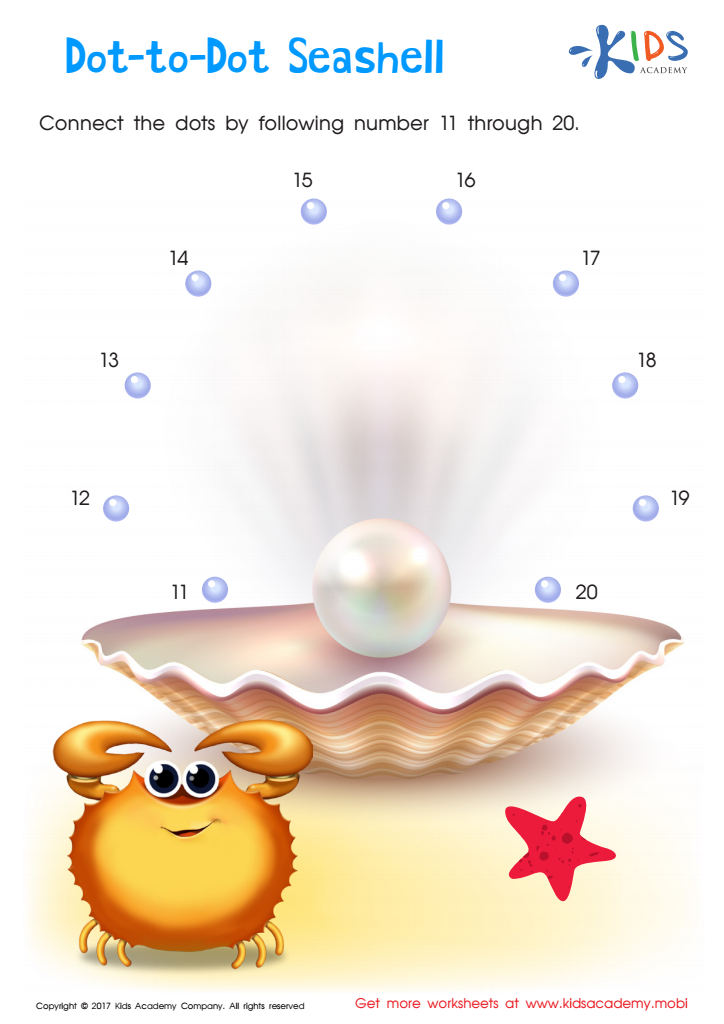
Ordering 11–20: Dot–to–dot Seashell Printable



Fine motor skills are crucial for children aged 5-7, particularly as they begin to refine their ability to perform precise tasks such as writing numbers 11-20. These skills involve the use of small muscles in the hands and fingers, enabling children to manipulate objects, grasp pencils, cut with scissors, and engage in activities like buttoning and lacing.
For parents and teachers, nurturing fine motor skills establishes a solid foundation for a child’s academic success. Mastery of numbers 11-20 requires control and coordination, which often serves as a precursor to future learning in mathematics. As children practice writing these numbers, they enhance their hand-eye coordination and pincer grasp, crucial for writing, drawing, and completing puzzles.
Furthermore, developing fine motor skills fosters independence and boosts a child's confidence. When children learn to complete tasks independently, they develop problem-solving abilities and resilience, essential traits for lifelong learning. Ultimately, by focusing on fine motor skills related to numbers 11-20, parents and teachers support not only numerical literacy but also holistic development in young learners, preparing them for future academic and personal achievements. Entering school with strong fine motor skills can create a smoother transition into more complex learning experiences.