Writing practice Easy ABC Letters Worksheets for Ages 5-8
3 filtered results
Difficulty Level
Grade
Age
-
From - To
Subject
Activity
Standards
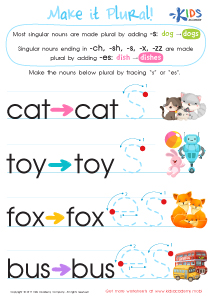
Discover engaging and effective writing practice with our Easy ABC Letters Worksheets, specially designed for children ages 5-8. These fun, interactive worksheets help young learners develop essential handwriting skills while familiarizing themselves with the alphabet. Each worksheet is crafted to encourage proper letter formation and enhance fine motor skills, making learning enjoyable. Parents and educators can easily print these resources to create a structured learning environment at home or in the classroom. With a variety of exercises, children will build confidence and proficiency in writing, laying a strong foundation for future literacy success. Start your child’s writing journey today!
Favorites
With answer key
Interactive
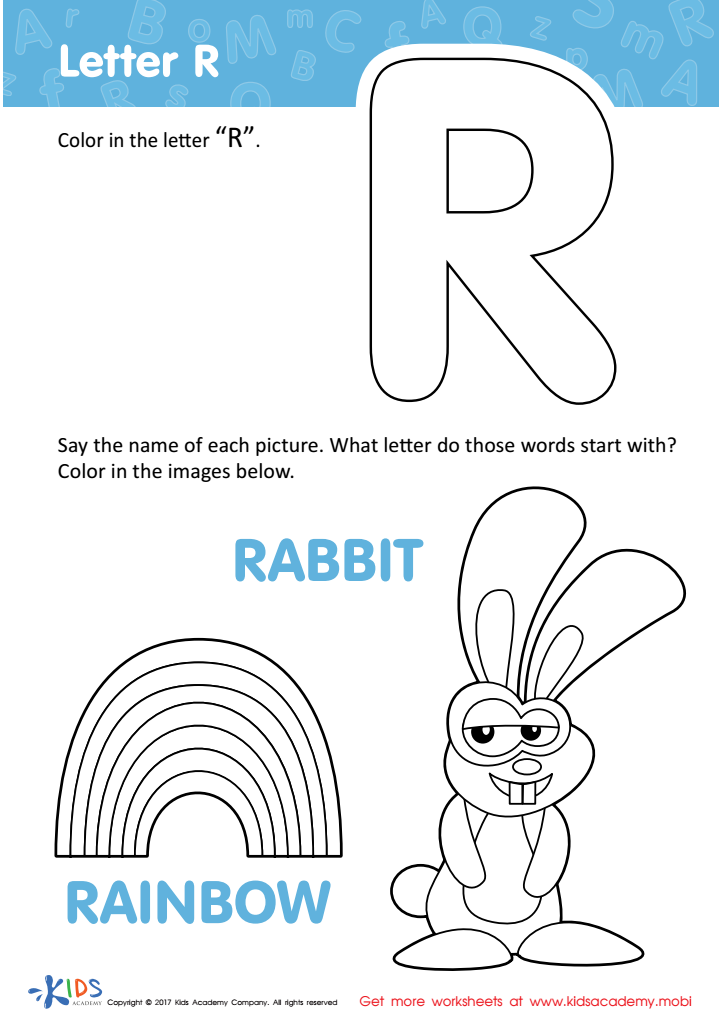
Letter R Coloring Sheet
Let your child explore the rainbow with this fun letter "R" coloring page! They can learn to recognize the letter and make connections to words, all while having fun! Make alphabet learning enjoyable with joyful coloring pages.
Download (PDF)
 Assign to My Students
Assign to My Students
Letter R Coloring Sheet
Worksheet







Letter V Coloring Sheet
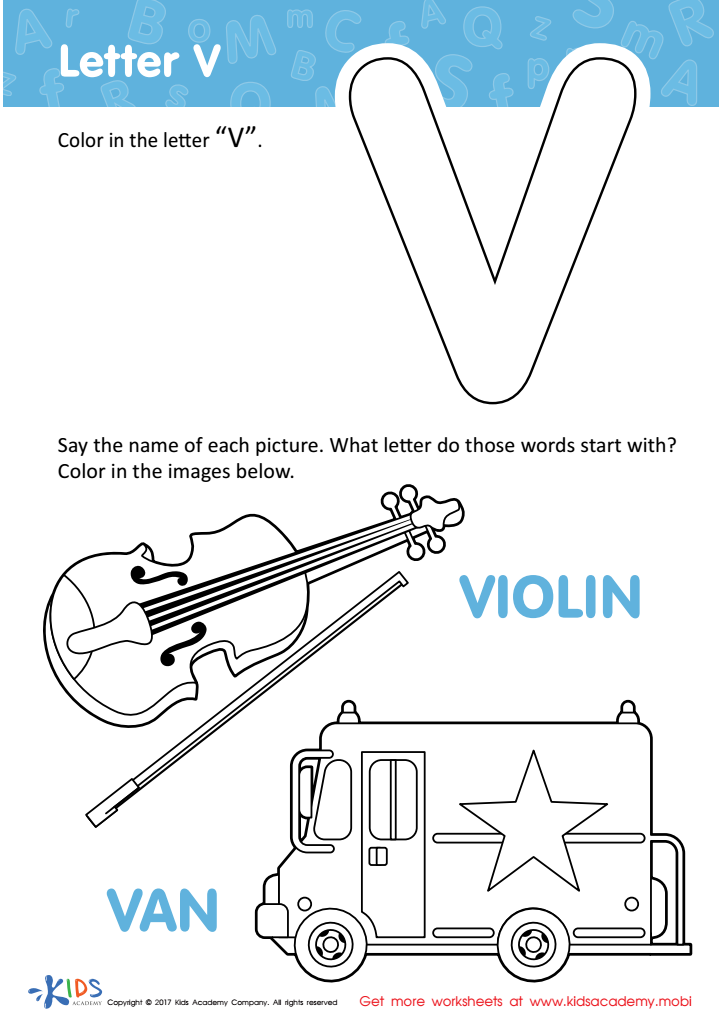
This fun letter V coloring page can boost your child's knowledge of the letter "V" and its sound. Help them pronounce it correctly, too!
Download (PDF)
Assign to My Students
Assign to My Students
Letter V Coloring Sheet
Worksheet
Letter X Coloring Sheet
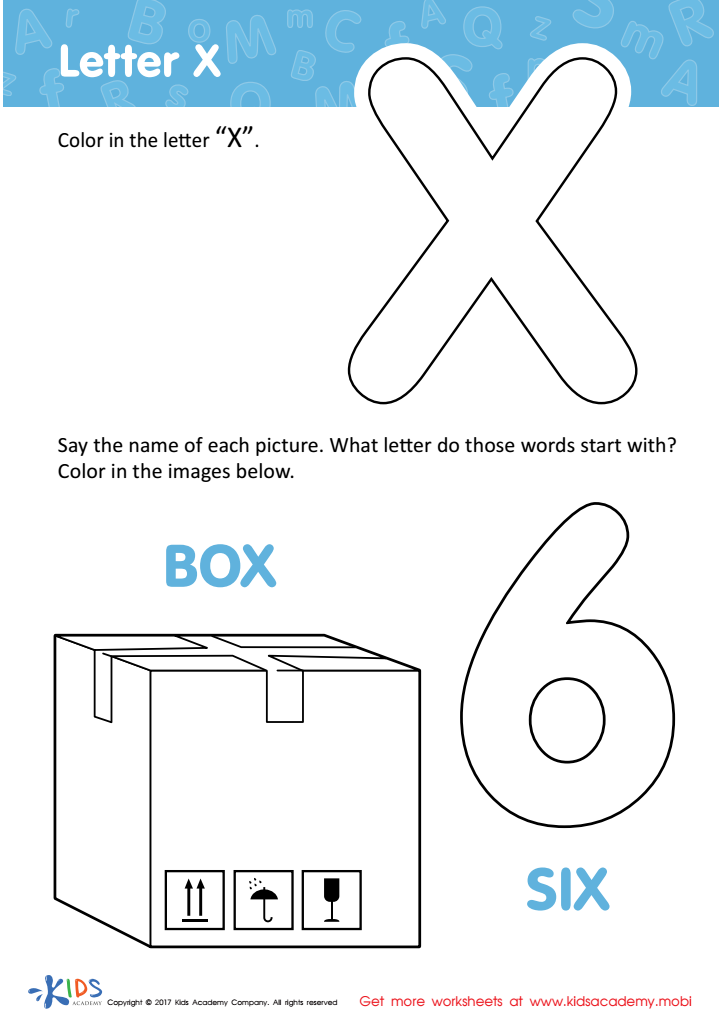
Help your little learner find the letter "X" with this coloring page. Go over the sounds it makes and how to find it at the end of words. Unlock the mystery of this unique letter - it's one of the most challenging but rewarding letters to learn!
Download (PDF)
Assign to My Students
Assign to My Students
Letter X Coloring Sheet
Worksheet
Join Kids Academy for Free
Who is primarily going to use this learning content?






Writing practice, particularly through easy ABC letters, is vital for children aged 5-8 for several compelling reasons. Firstly, it enhances fine motor skills, as young learners develop the muscular control needed for holding a pencil and forming letters, which is essential for their overall writing abilities. Mastery of the alphabet lays a strong foundation for literacy, enabling children to decode words and later develop effective reading skills.
Secondly, engaging in writing practice promotes cognitive development. As children learn to recognize letters and sounds, they begin to understand phonics and language structures, vital for their academic success. Writing about personal experiences or making simple sentences can also boost creativity and expression, allowing young minds to explore their thoughts and feelings.
Additionally, writing practice fosters a sense of discipline and perseverance. Completing writing exercises can instill a sense of achievement, reinforcing self-esteem and motivating students to take pride in their work. Teachers and parents should play a critical role in providing encouragement and creating a positive writing environment, as early mastery of these skills aligns with long-term educational goals and prepares children for future academic endeavors. In essence, nurturing writing skills early on cultivates confident and enthusiastic learners.