Writing practice Easy Letter Recognition Worksheets for Ages 5-8
3 filtered results
-
From - To
Enhance your child's early literacy skills with our Writing Practice Easy Letter Recognition Worksheets for ages 5-8. Designed to make learning fun, these printable resources help young learners master letter recognition and writing. Each worksheet features engaging activities, colorful illustrations, and clear instructions to support your child's development in alphabet comprehension. As they trace and write letters, children also build fine motor skills and confidence in their writing ability. Perfect for classroom use or at-home practice, these worksheets provide a strong foundation for your child's reading and writing journey. Start exploring today and watch their skills soar!
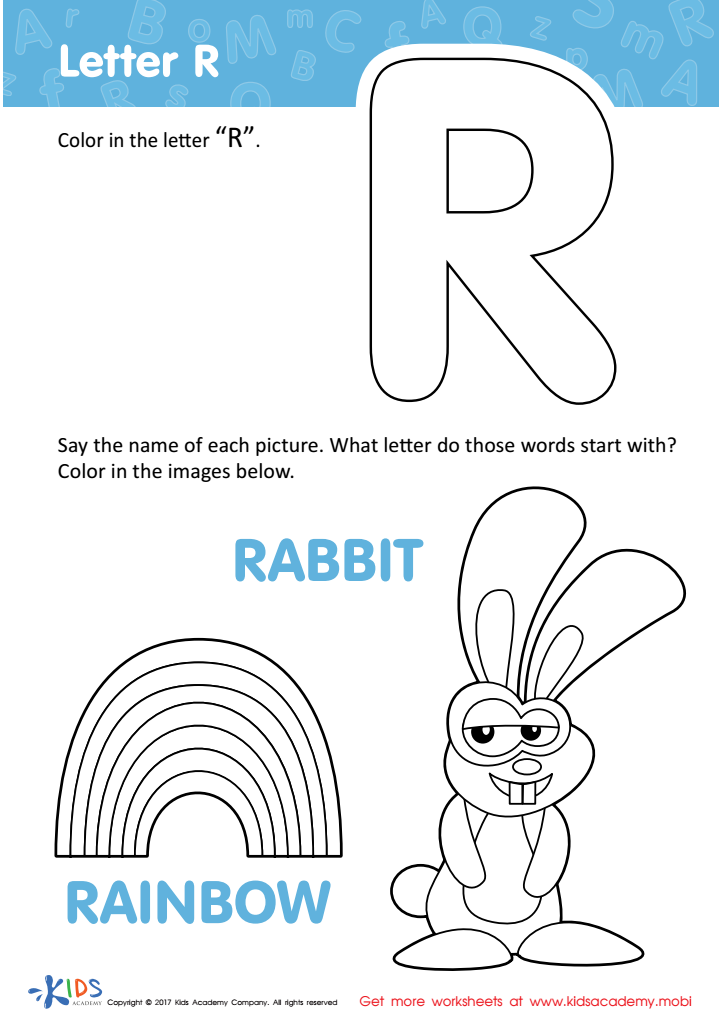
Letter R Coloring Sheet
 Assign to My Students
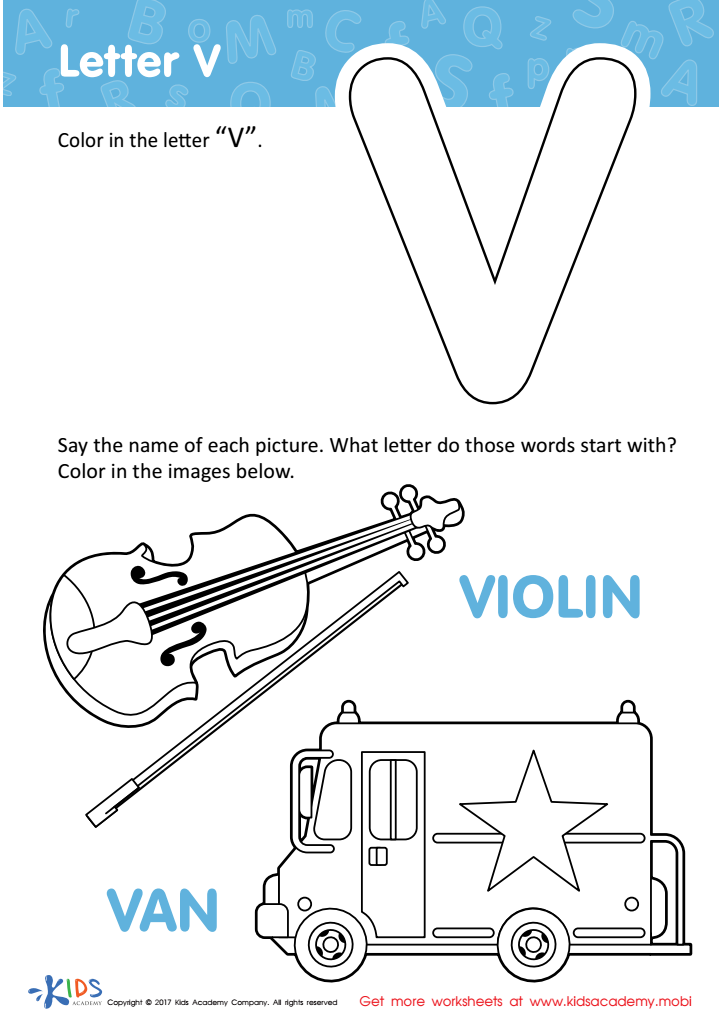
Letter V Coloring Sheet
Assign to My Students
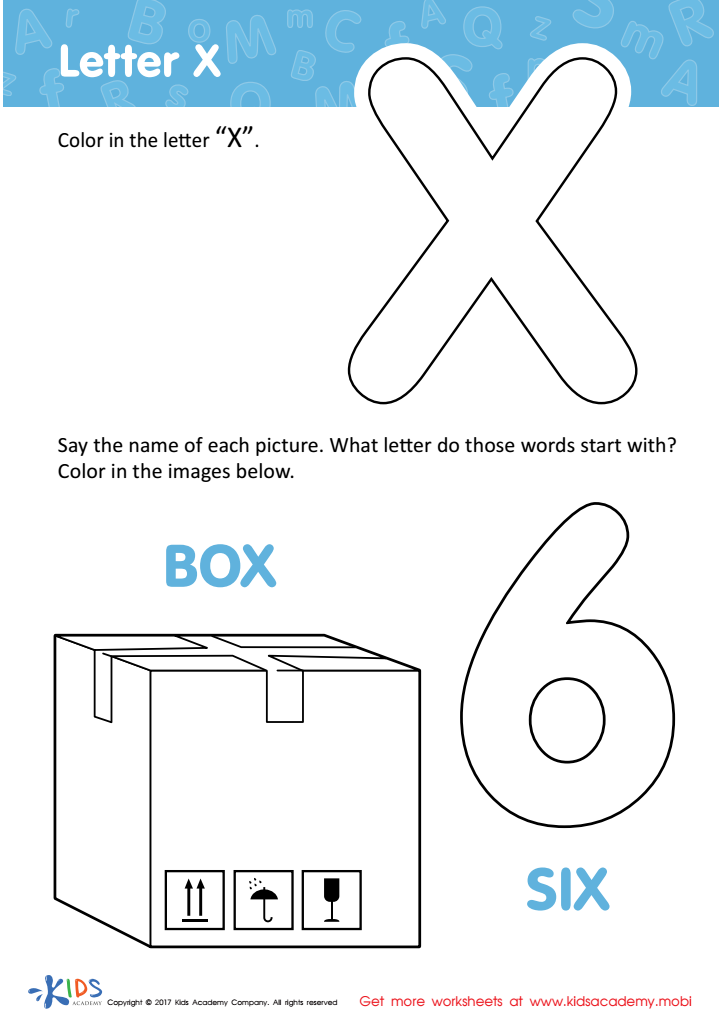
Letter X Coloring Sheet
Assign to My Students








Writing practice and easy letter recognition are foundational skills for children aged 5-8. These early literacy activities significantly impact a child’s overall academic development. Parents and teachers should place importance on these practices for several reasons.
Firstly, writing practice aids in the development of fine motor skills. Young children are still developing their hand muscles and coordination, and frequently practicing writing helps to strengthen these muscles, which is crucial not just for writing but for other tasks like buttoning clothes and tying shoelaces.
Secondly, easy letter recognition is a gateway to reading fluency. Being able to quickly recognize and differentiate letters is essential for beginning readers. When children can effortlessly identify letters, they can focus on decoding words and comprehending what they read, building a strong foundation for academic achievements.
Additionally, writing and letter recognition enhance cognitive development. These activities encourage skills such as memory, attention to detail, and the ability to follow sequences. Engaging regularly in writing and letter recognition exercises also fosters a sense of achievement and builds confidence that is pivotal for lifelong learning.
Lastly, fostering these skills early on can help identify learning difficulties that may require intervention. Early detection allows for timely support, ensuring all children have the tools needed for success. Therefore, prioritizing writing practice and easy letter recognition is essential for holistic childhood development.