Alphabet Recognition Easy Phonics Worksheets for Ages 5-8
4 filtered results
-
From - To
Welcome to our Alphabet Recognition Easy Phonics Worksheets designed for children ages 5-8! These engaging resources support young learners in mastering the alphabet while developing essential phonics skills. Our printable worksheets are thoughtfully crafted to create an enjoyable learning experience, combining fun activities like tracing, matching, and letter identification. As children explore various exercises, they will build confidence and familiarity with letters, preparing them for effective reading and writing. Perfect for both classroom and home use, our worksheets cater to diverse learning styles, ensuring every child can thrive in their literacy journey. Start fostering a love for letters today!
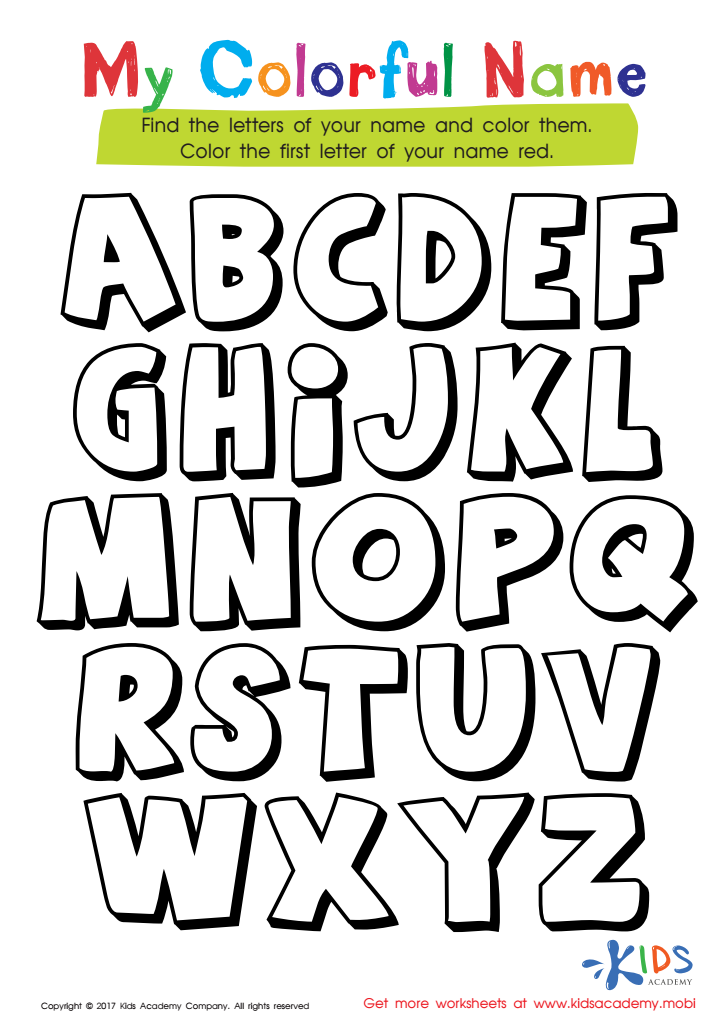
My Colorful Name Worksheet
 Assign to My Students
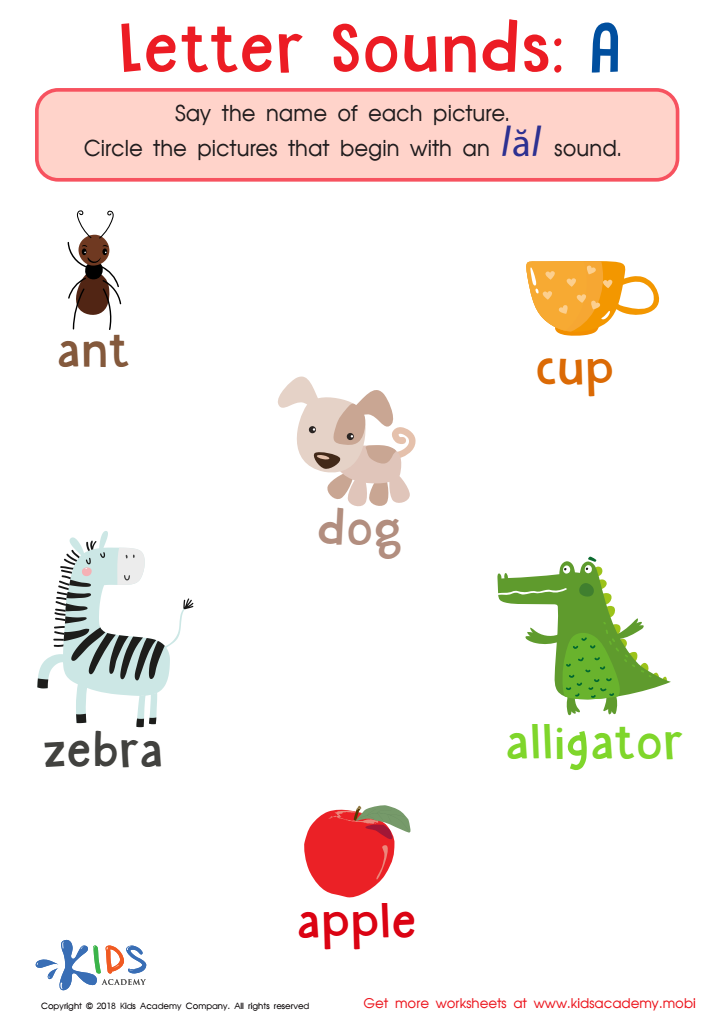
Letter A Sounds Worksheet
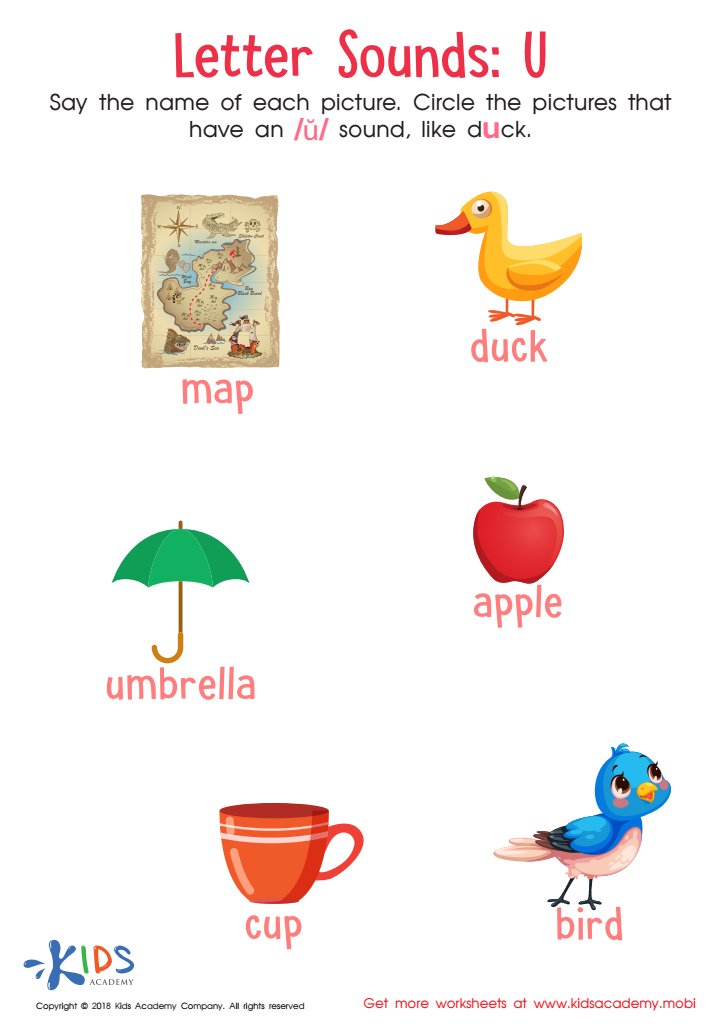
Letter U Sounds Worksheet
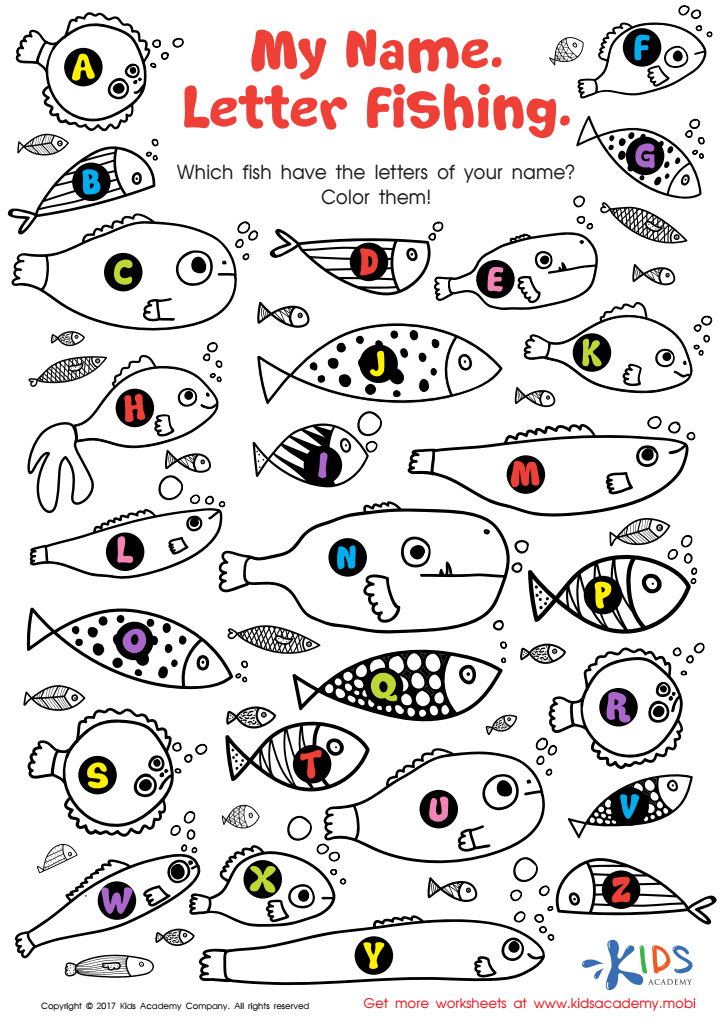
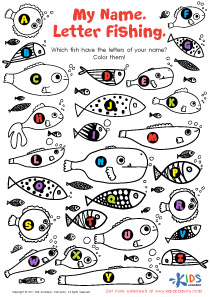
My Name: Letter Fishing Worksheet
Assign to My Students








Alphabet recognition and phonics are fundamental skills for children aged 5-8 that lay the groundwork for later reading and writing proficiency. As early educators and caregivers, it is vital to emphasize the importance of Easy Phonics, which integrates sound-letter relationships in a fun and engaging manner. This approach helps young learners identify letters and their corresponding sounds, enabling them to decode words effectively.
Recognizing letters and understanding phonemic awareness supports language development, boosts vocabulary, and enhances reading fluency. If children grasp these concepts early on, they are more likely to enjoy reading, fostering a lifelong love for books and learning. Additionally, by focusing on phonics, children build confidence, allowing them to tackle reading challenges with enthusiasm.
Parents and teachers play a crucial role in creating positive literacy experiences. Incorporating interactive games, songs, and engaging activities makes learning less intimidating and more enjoyable, which is essential at such a formative age. Moreover, strong literacy skills contribute to overall academic success, providing a solid foundation for future subjects. Therefore, prioritizing Alphabet Recognition Easy Phonics is not just about teaching letters and sounds; it’s about nurturing young minds, enhancing their communication abilities, and setting the stage for lifelong educational achievement.