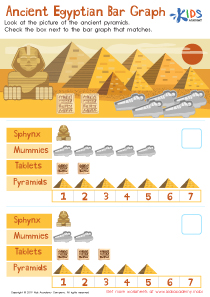
Basic Addition Easy Counting Worksheets for Ages 5-8
3 filtered results
-
From - To
Introduce young learners to the fun of math with our "Basic Addition Easy Counting Worksheets for Ages 5-8." Designed to develop fundamental counting and addition skills, these worksheets help children practice simple math problems in an engaging and educational way. With colorful graphics and diverse activities, kids can enhance their addition abilities, build confidence, and foster a love of learning. Perfect for home or classroom use, these easy-to-follow worksheets make math lessons enjoyable and accessible. Start your child's mathematical journey with our expertly crafted worksheets, supporting their foundational math skills every step of the way. Download now at Kids Academy!
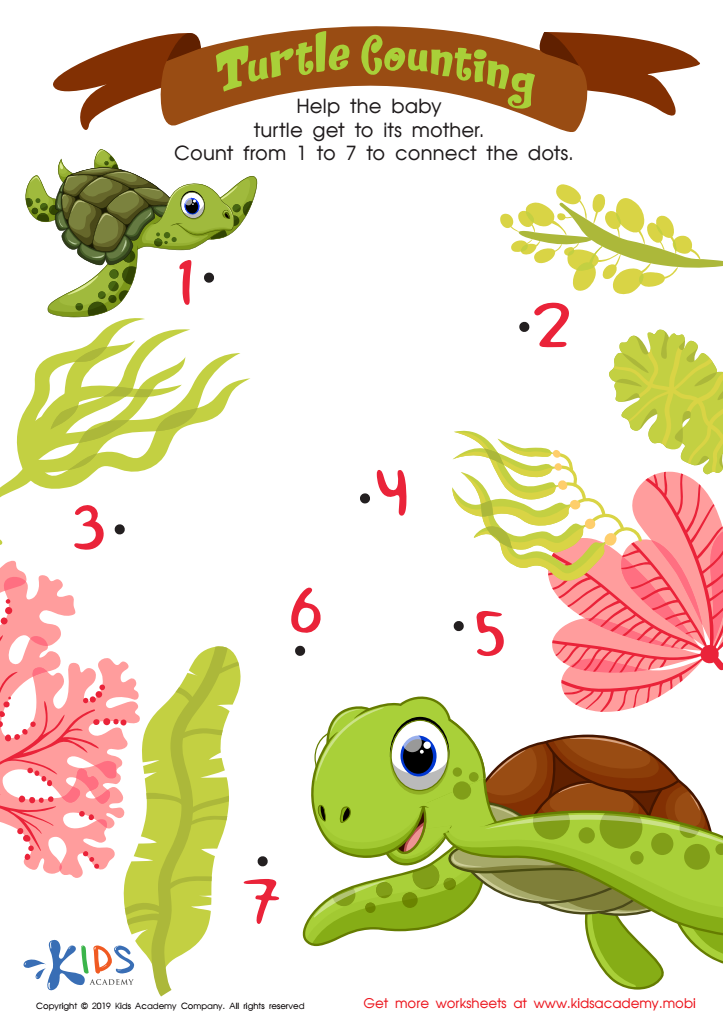
Turtle Counting Worksheet
 Assign to My Students


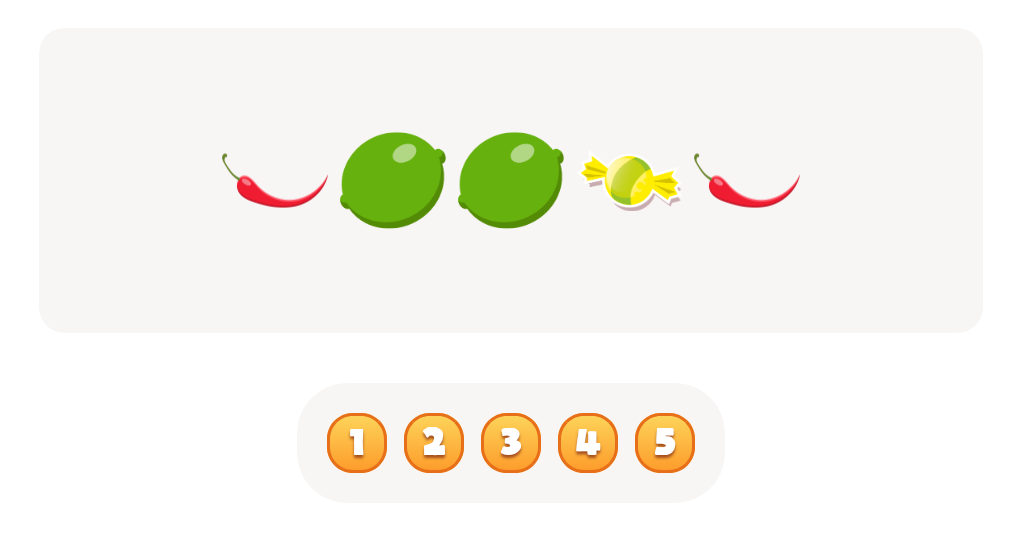
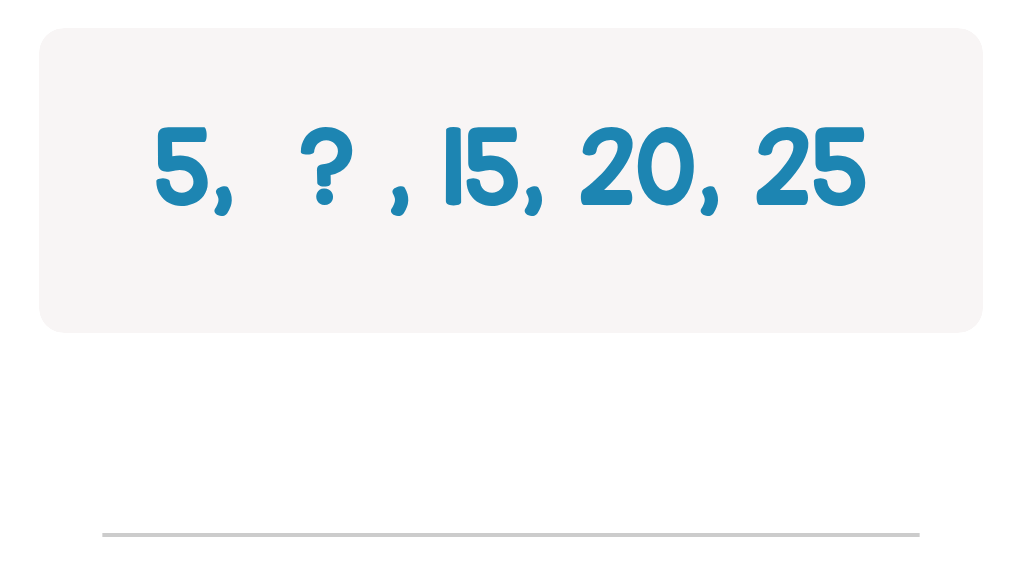
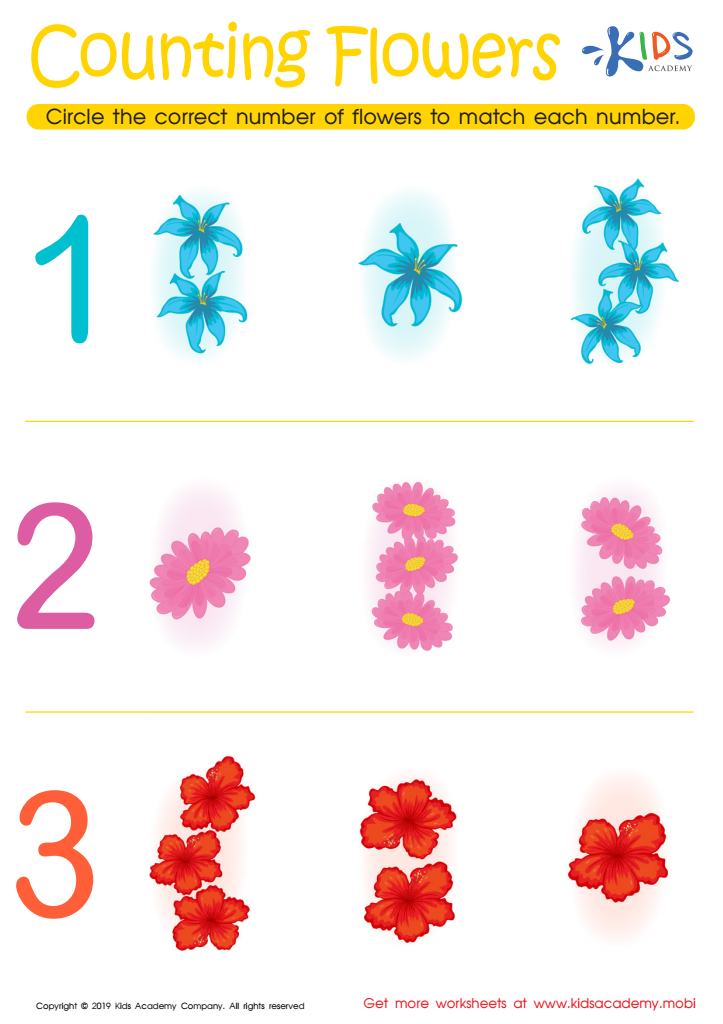
Counting Flowers Worksheet
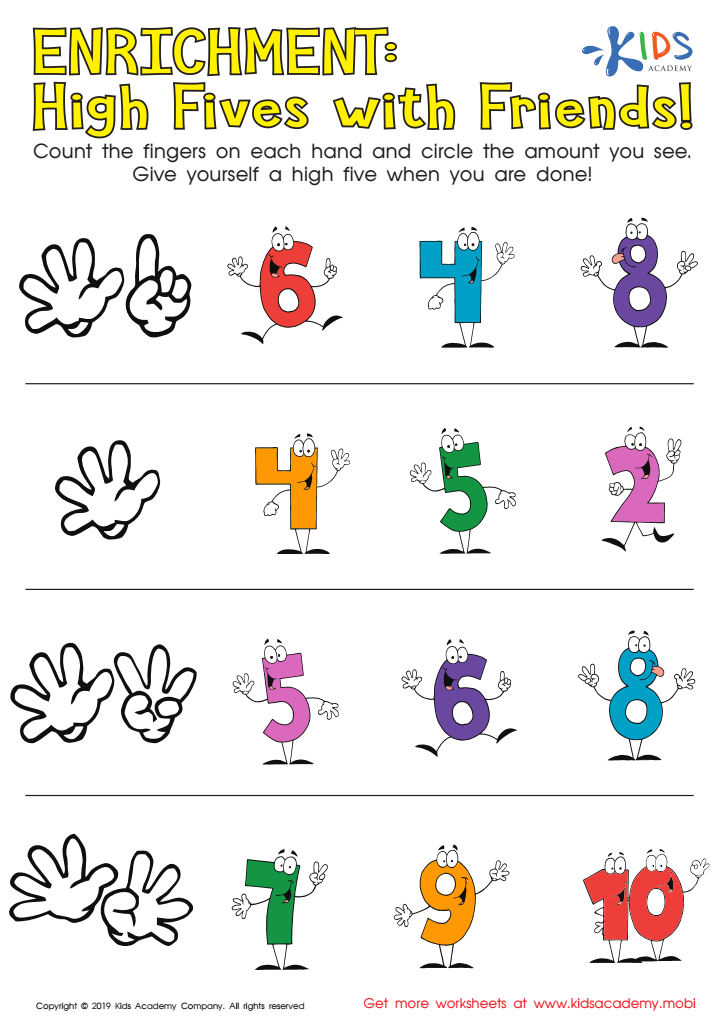
Enrichment: High Fives with Friends! Worksheet



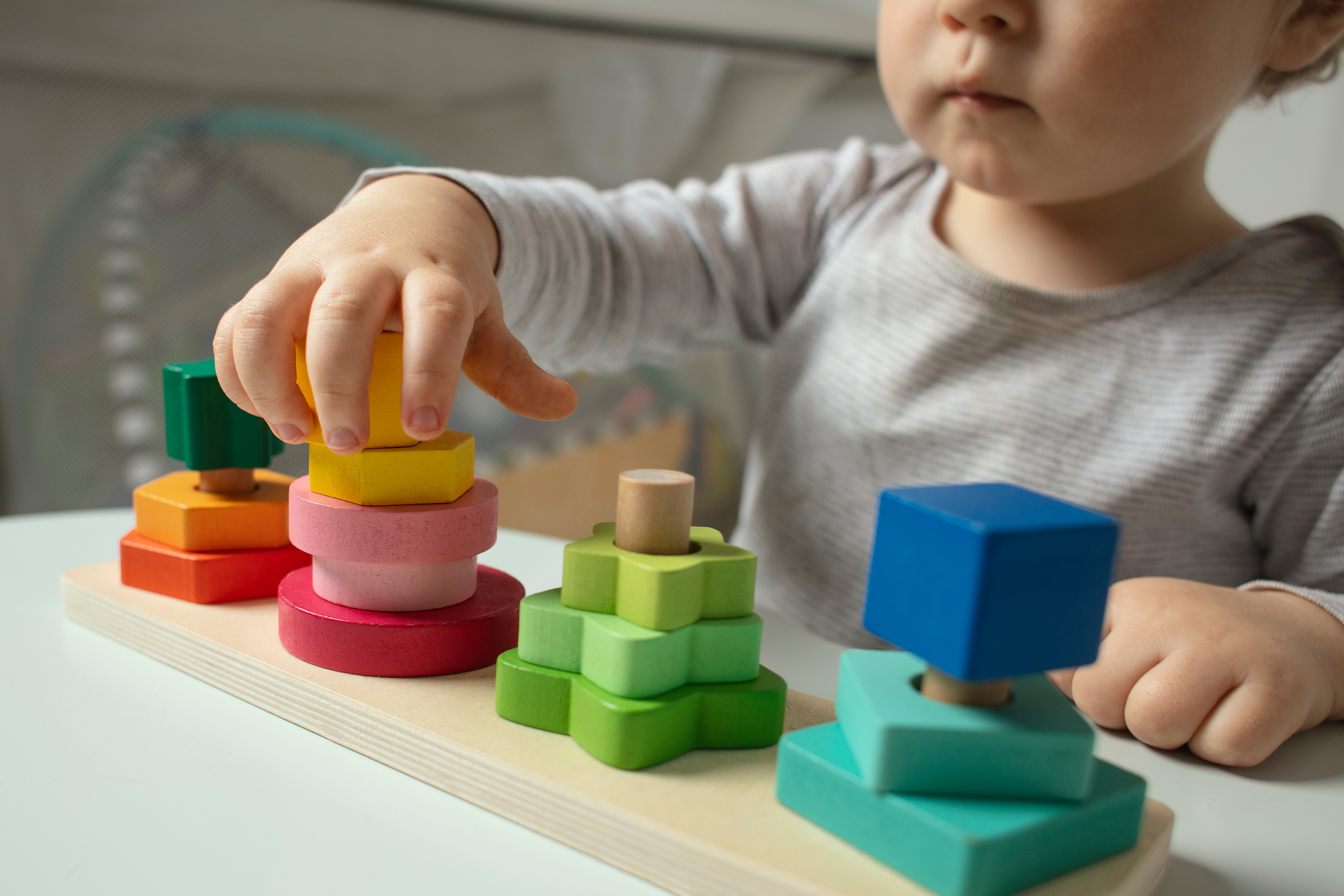



Parents and teachers should prioritize basic addition and easy counting for children aged 5-8 because these foundational skills form the bedrock of future mathematical understanding. At this age, kids' brains are developing rapidly, making it an optimal time to introduce core concepts in a way that is engaging and memorable. Basic addition and counting activities help to strengthen number sense, which is the ability to understand and work with numbers comfortably. This foundational knowledge is essential, as it supports more advanced arithmetic and problem-solving skills that children will encounter as they progress through school.
Moreover, early mastery of addition and counting builds confidence and fosters a positive attitude towards math. When children can easily grasp these fundamental concepts, they are more likely to enjoy learning and feel less intimidated by more challenging math subjects in the future. Engaging children in fun, hands-on activities and games related to counting and addition can make abstract concepts concrete, enhancing their cognitive and developmental growth.
Additionally, these skills play a vital role in everyday life—for instance, helping kids understand money, telling time, and measuring objects. Cultivating early math skills is not just about academic success but also about preparing children for practical, real-world tasks. Early enthusiasm and competence in math set the stage for lifelong learning and problem-solving abilities.