Sorting skills Easy Math Worksheets for Ages 5-8
6 filtered results
-
From - To
Discover our engaging "Sorting Skills Easy Math Worksheets" designed for children aged 5-8. These printable worksheets provide fun and interactive activities that help young learners develop essential sorting skills. Through colorful visuals and straightforward tasks, kids will practice categorizing objects, recognizing patterns, and enhancing their critical thinking abilities. Perfect for both classroom and home use, these worksheets aim to support early math development while keeping children entertained. Encourage your child's logical reasoning and organizational skills with our sorted collections tailored to make learning enjoyable! Boost their confidence in math today with our carefully crafted resources. Explore now and foster a love for learning!
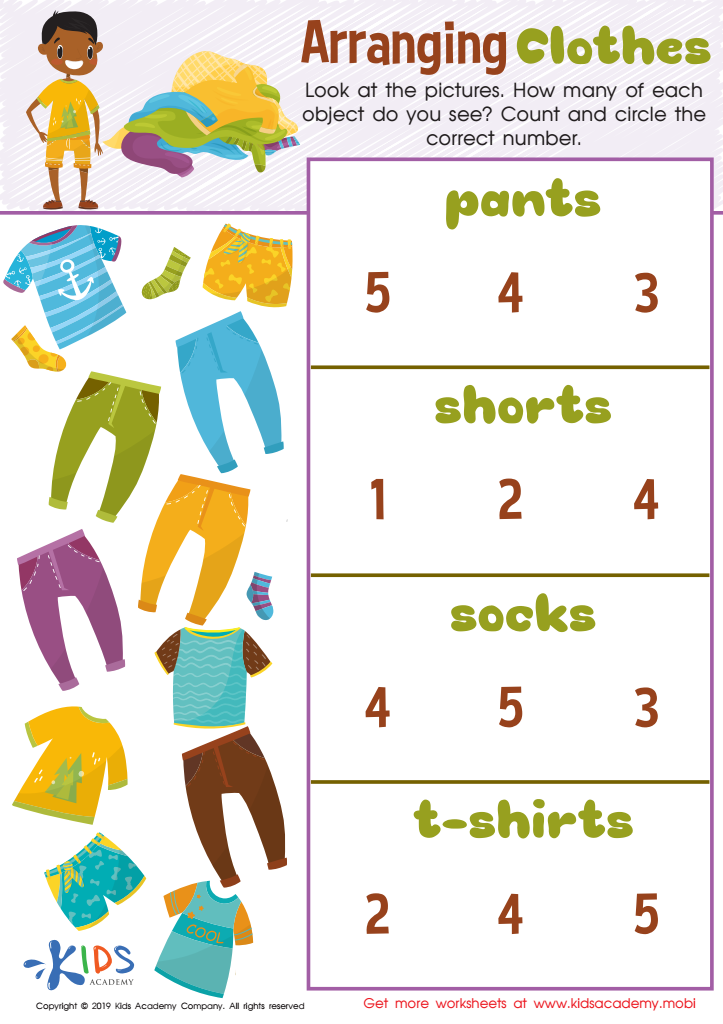
Arranging Clothes Worksheet
 Assign to My Students
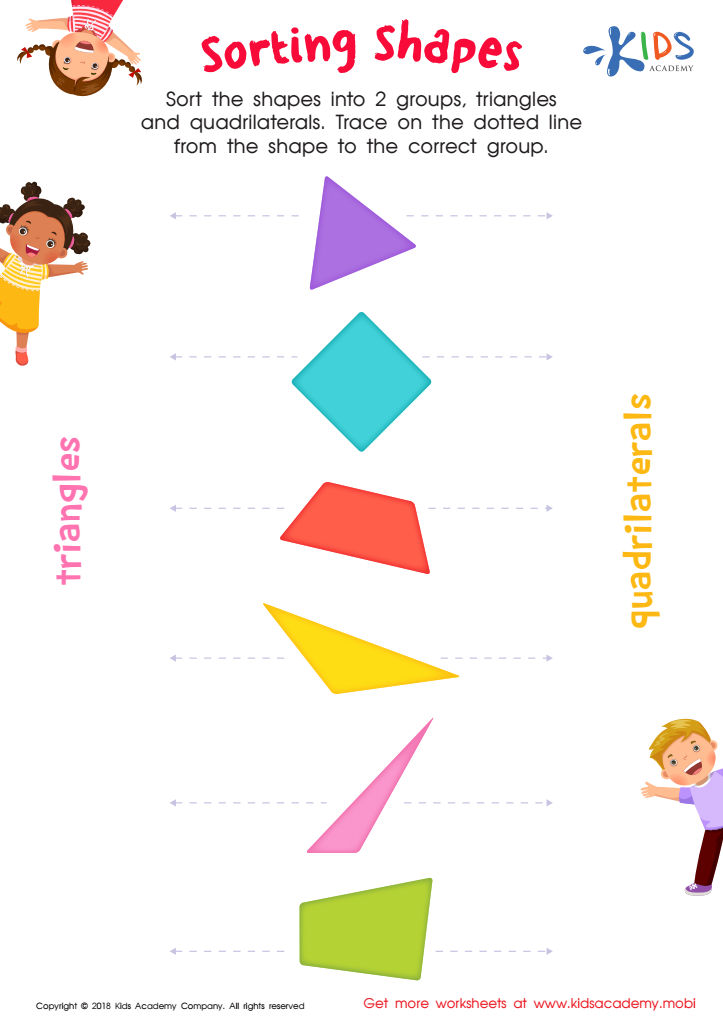
Sorting Shapes Worksheet
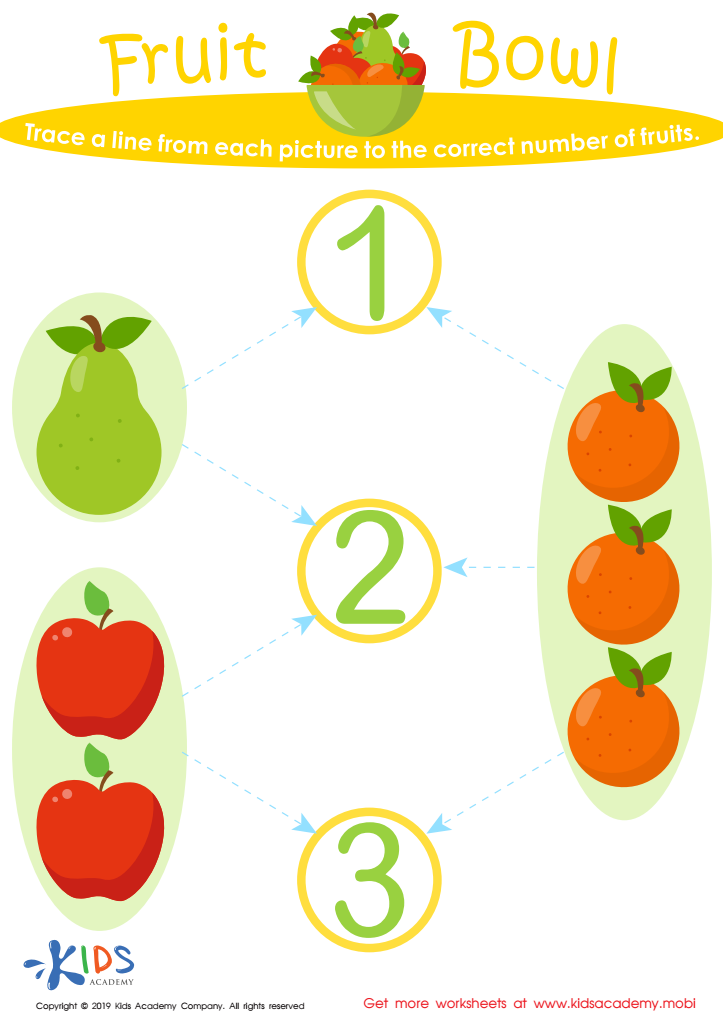
Fruit Bowl Worksheet
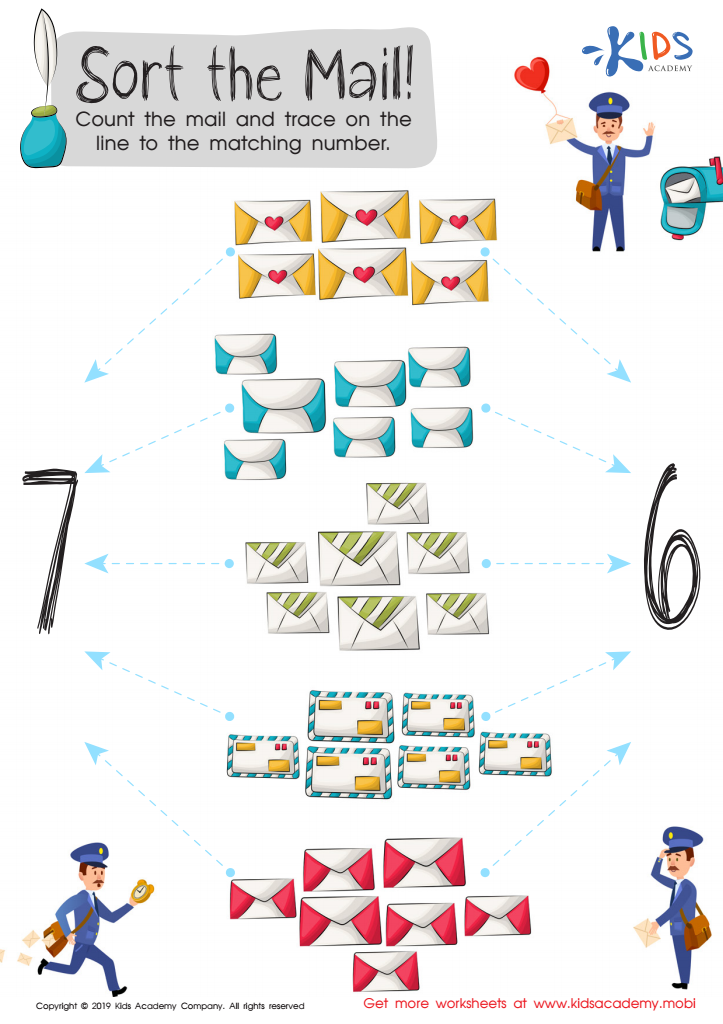
Sort the Mail Worksheet
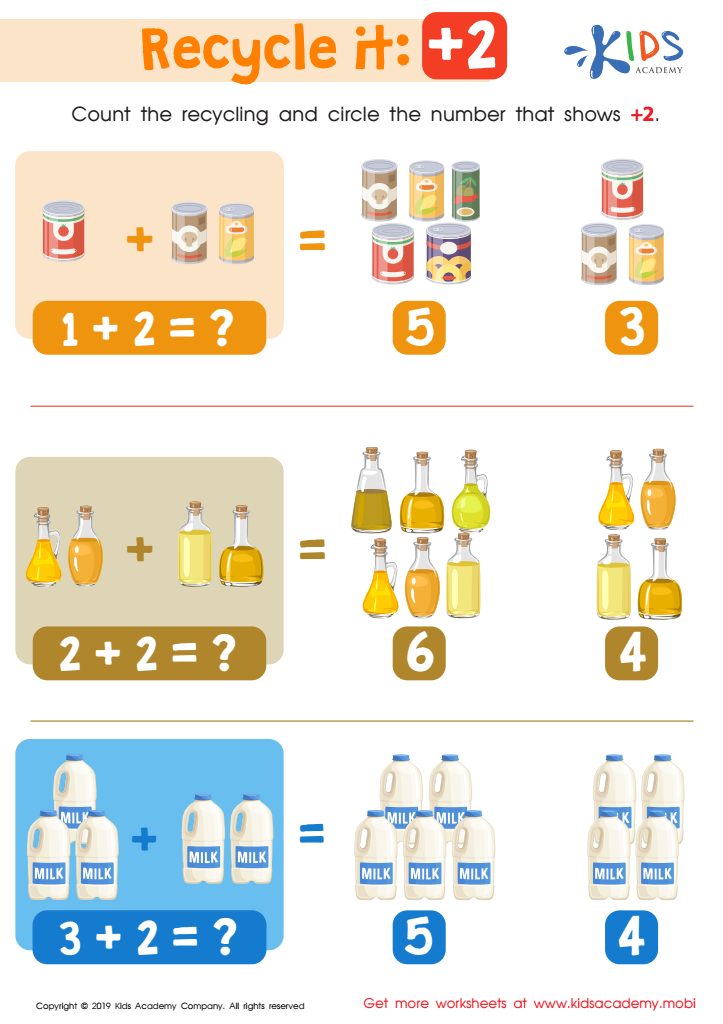
Recycle It: +2 Worksheet
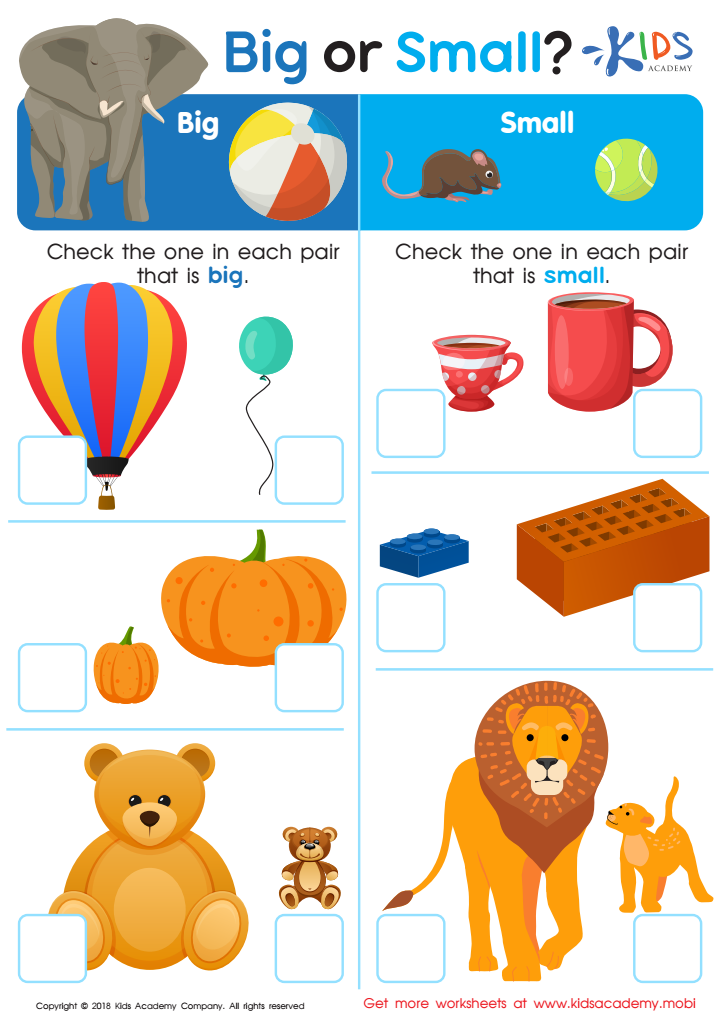
Big or Small? Worksheet



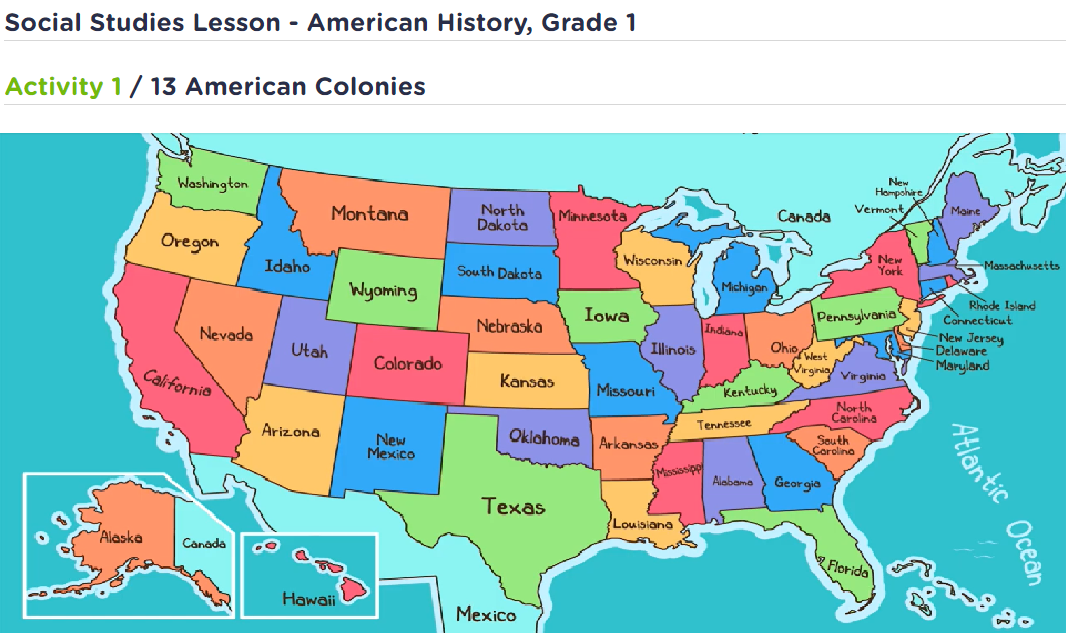



%20(1).jpg)
Sorting skills are foundational for young learners, particularly in math education for children aged 5-8. Parents and teachers should prioritize these skills as they contribute significantly to a child's cognitive development. Sorting helps children categorize objects based on various attributes such as color, size, shape, or type, fostering critical thinking and problem-solving abilities.
As children engage in sorting activities, they learn to recognize patterns and relationships, laying the groundwork for more complex mathematical concepts like classification, comparison, and eventually, data analysis. These skills enhance a child's ability to make decisions based on categorization, promoting cognitive flexibility.
Moreover, sorting tasks encourage language development, as children describe their reasoning and label their categories. It also sparks imagination and creativity, allowing them to explore and discover relationships among different objects.
Incorporating sorting activities into daily learning, whether at home or in the classroom, not only makes math enjoyable but also empowers children with lifelong skills. By participating in these foundational activities, parents and teachers cultivate a positive mathematical mindset early on, creating strong learners ready to tackle more challenging concepts in the future. Supporting sorting skills is ultimately an investment in a child’s educational journey and future success in math and beyond.








