Writing practice Easy Alphabet Worksheets for Ages 5-9
3 filtered results
-
From - To
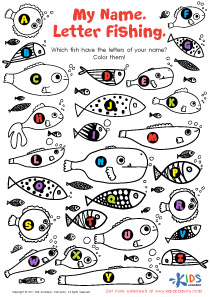
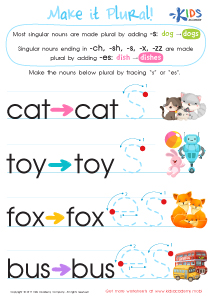
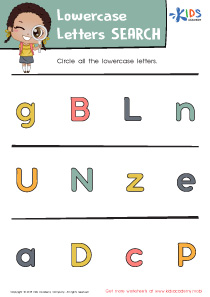
Discover our "Writing Practice Easy Alphabet Worksheets," crafted especially for children ages 5-9. These engaging worksheets focus on building essential writing skills by introducing each letter of the alphabet through fun activities. Kids will enjoy tracing, writing, and identifying letters as they enhance their handwriting, letter recognition, and fine motor skills. Ideal for home or classroom settings, these worksheets make learning to write enjoyable and effective. With colorful designs and interactive exercises, your child will develop confidence in their writing abilities while mastering the fundamentals of the alphabet. Start your child's writing journey today with our easy-to-use worksheets!
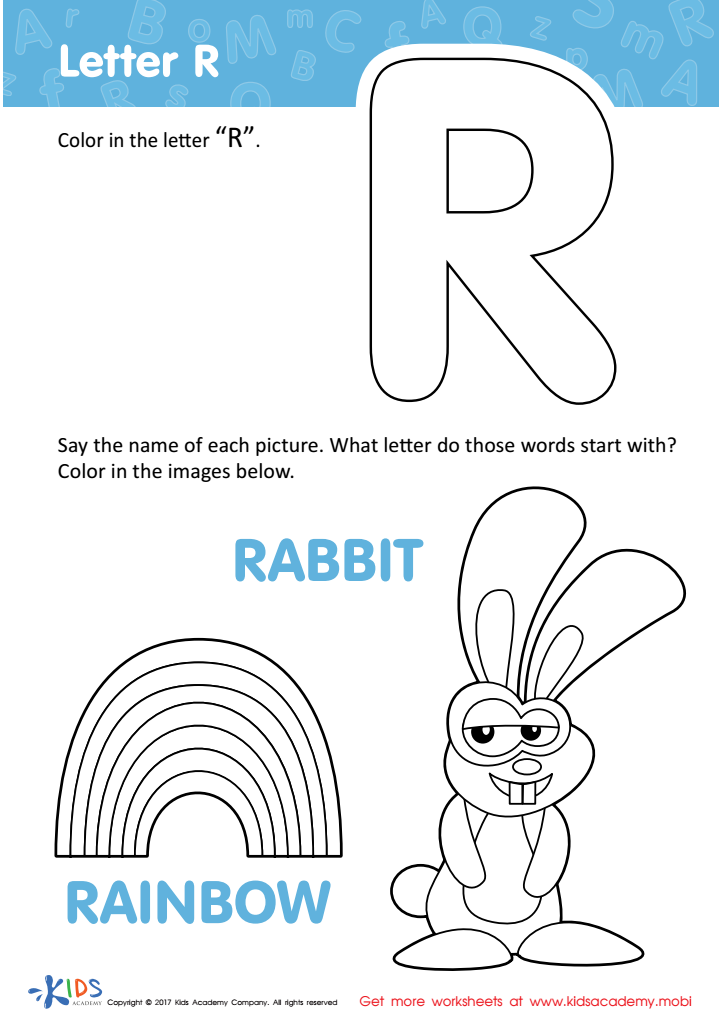
Letter R Coloring Sheet
 Assign to My Students
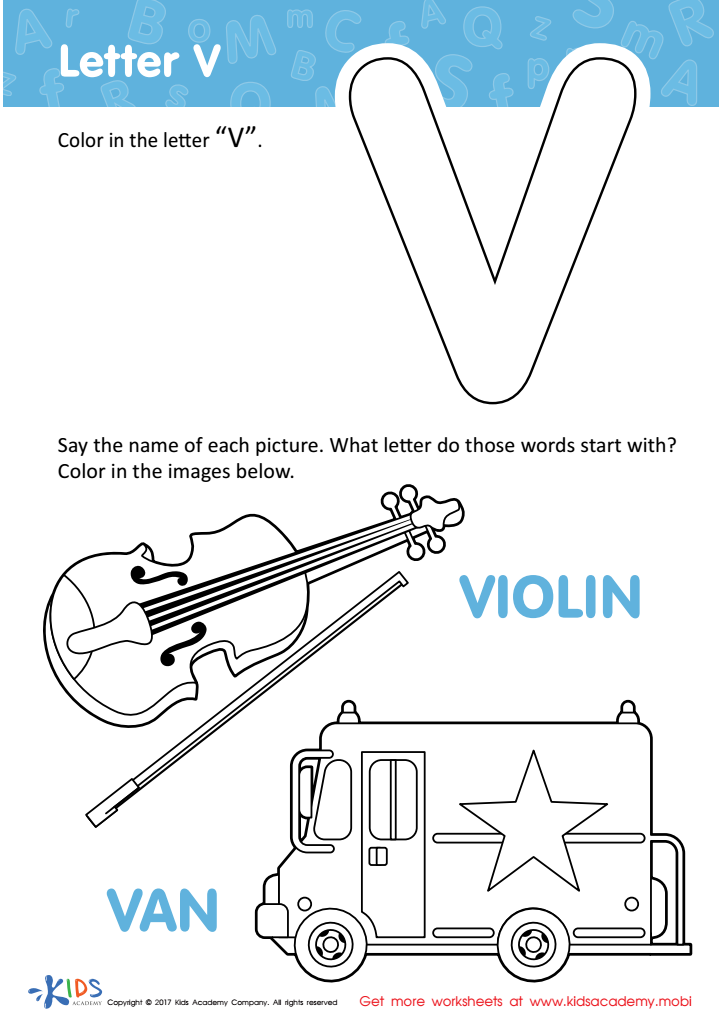
Letter V Coloring Sheet
Assign to My Students
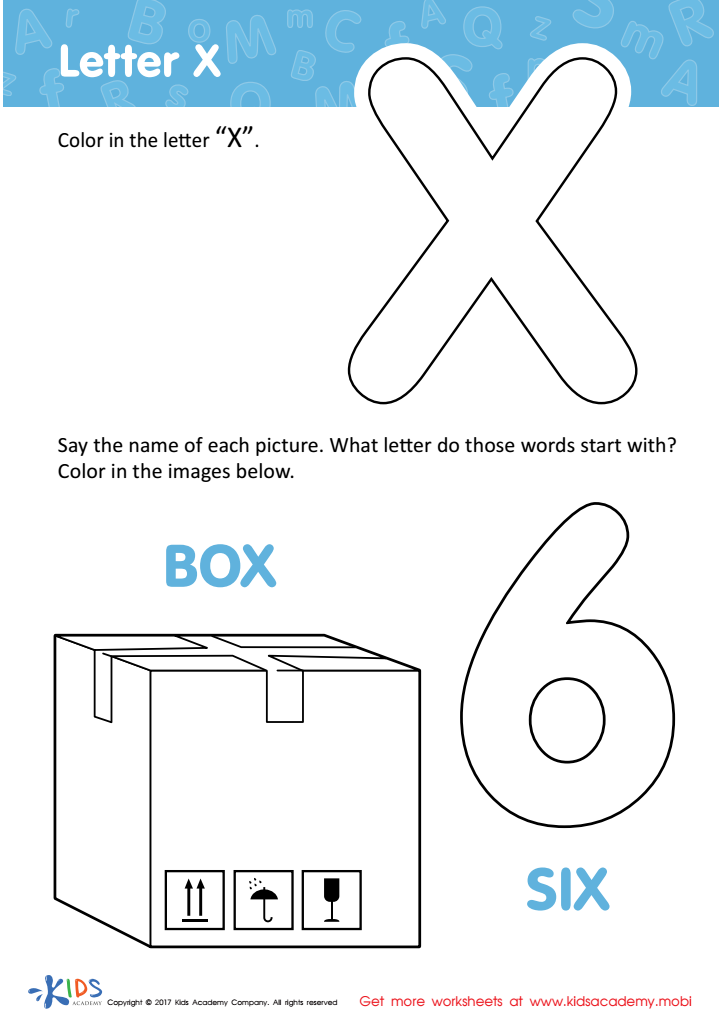
Letter X Coloring Sheet
Assign to My Students








Writing practice, particularly for the easy alphabet, is crucial for children aged 5-9 as it lays the groundwork for effective communication and literacy skills. During these formative years, young learners are developing fine motor skills and cognitive abilities, making it an ideal time for practicing handwriting. Engaging children in writing the alphabet helps them reinforce letter recognition and phonetics, vital for future reading and writing tasks.
Additionally, writing practice promotes confidence. As children master letter formation, they experience a sense of achievement, which fosters a positive attitude towards learning. This confidence spills over into other educational domains, encouraging children to participate more actively in classroom discussions and activities.
Moreover, writing is a gateway for self-expression. Through writing, children learn to convey their thoughts, feelings, and ideas, enhancing both their creativity and emotional intelligence. For parents and teachers, supporting writing practice means nurturing a child's overall development and providing them with essential tools to succeed academically and socially. By prioritizing easy alphabet writing exercises, adults can ensure that children build a strong literacy foundation that will serve them throughout their educational journey and beyond.