Vocabulary expansion Easy Phonics Worksheets for Ages 5-9
4 filtered results
-
From - To
Enhance your child’s vocabulary with our Easy Phonics Worksheets, tailored for ages 5-9. These engaging, age-appropriate resources introduce new words through interactive exercises that make learning fun and effective. Our worksheets focus on alphabet knowledge, phonics, and vocabulary expansion to build a strong language foundation. Designed by educational experts, each worksheet helps young learners develop reading, writing, and critical thinking skills. Exercise variety ensures children remain motivated and confident as they master new vocabulary. Perfect for both classroom and at-home learning, these worksheets are a fantastic way to boost your child's language ability while sparking their curiosity and love for words.
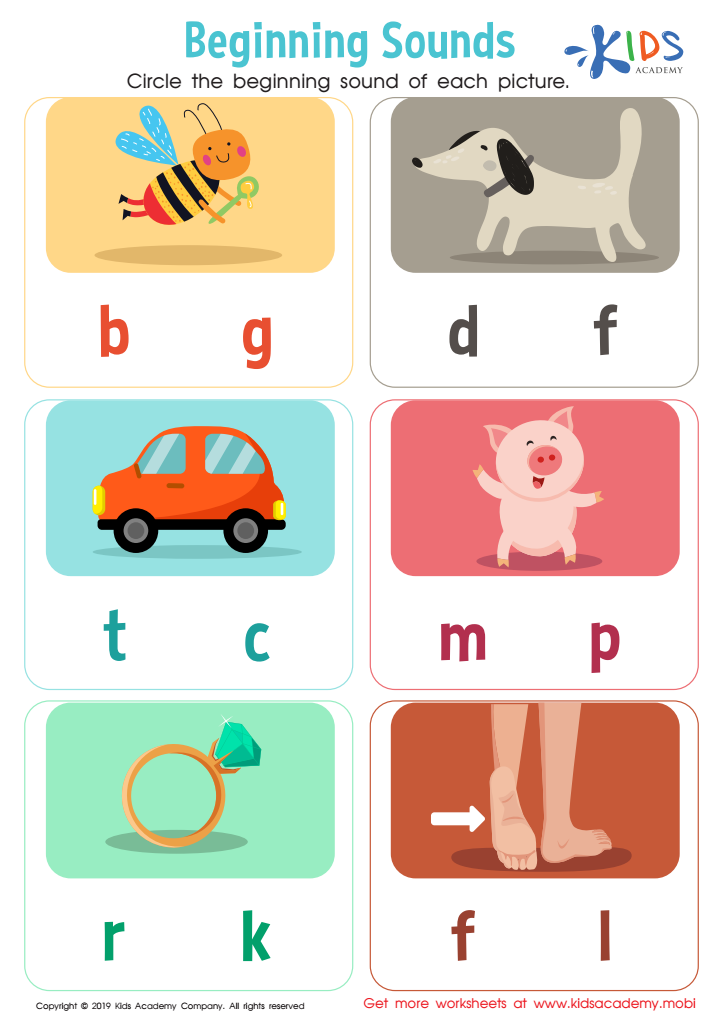
Beginning Sounds Worksheet
 Assign to My Students
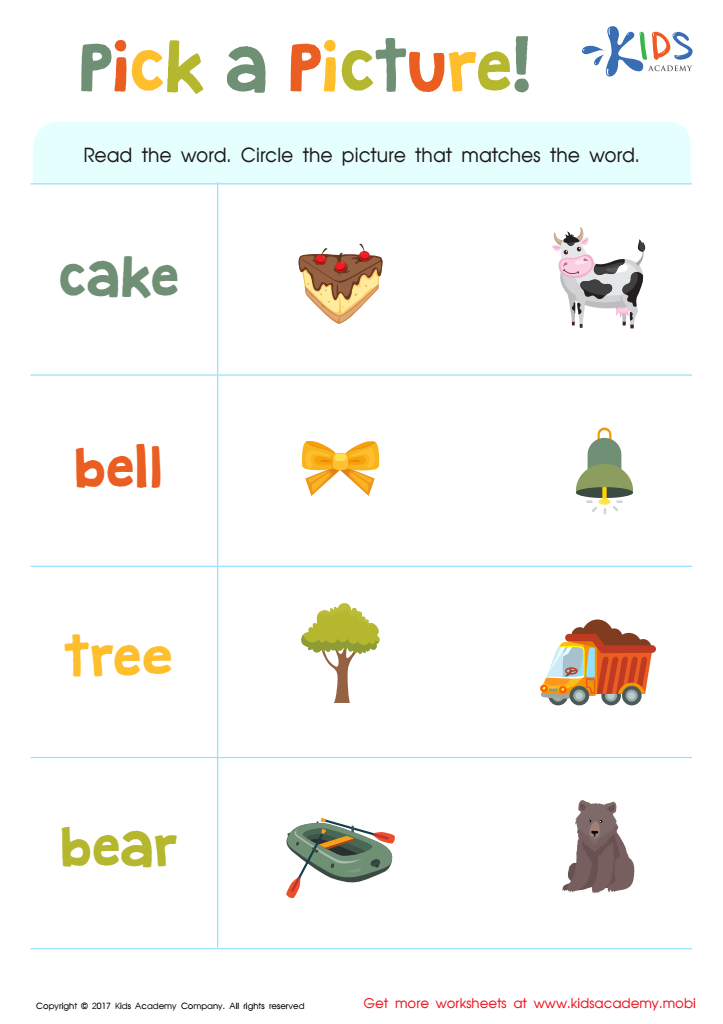
Pick a Picture Word Recognition Worksheet
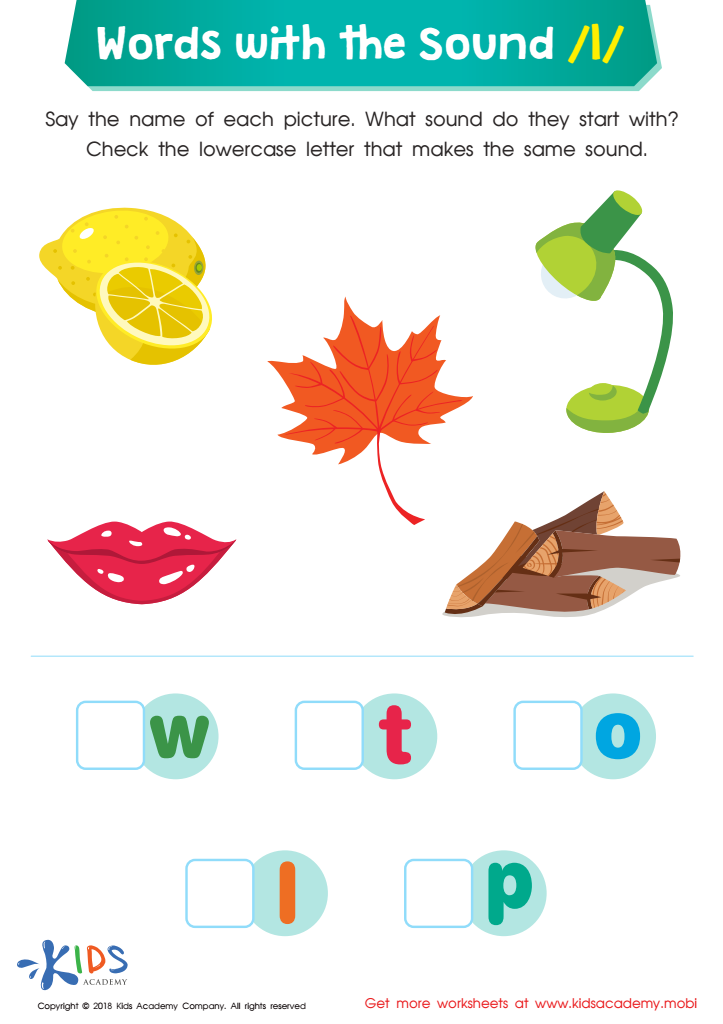
Words with Sound L Reading Worksheet
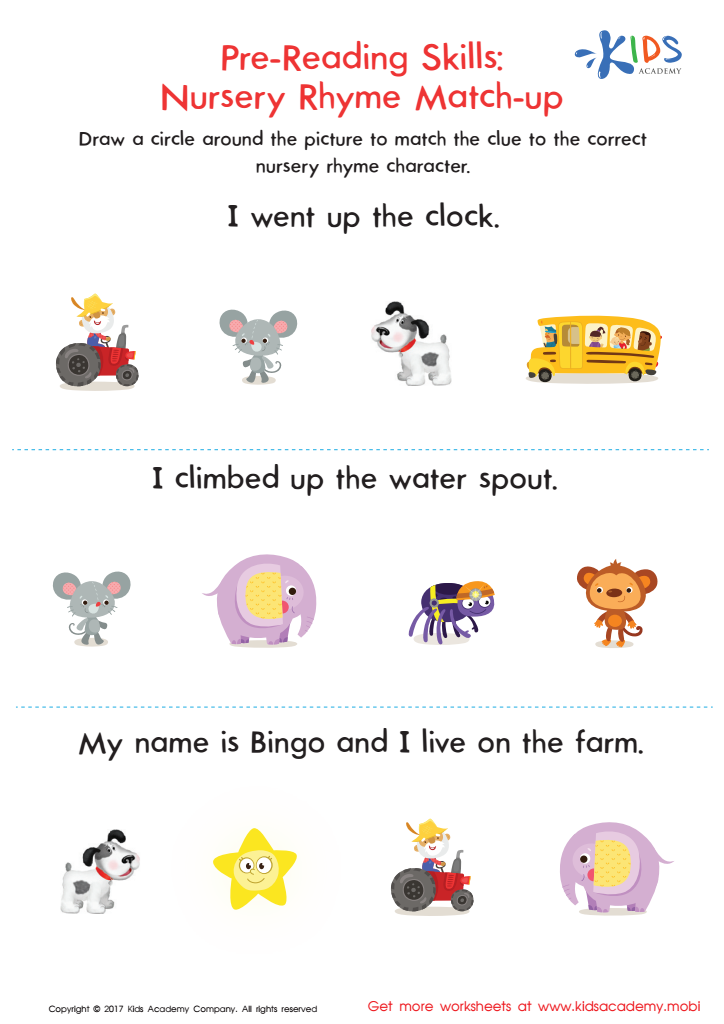
Nursery Rhyme Match–Up Worksheet








Vocabulary expansion and phonics skills are crucial components in a child's literacy development, especially between the ages of 5-9. First, a strong vocabulary forms the foundation for effective communication. By learning new words, children can express themselves more clearly and understand others better, which enhances their social interactions and academic performance.
Moreover, Easy Phonics programs play a vital role in helping children decode words, which is fundamental for reading fluency. When children learn phonics, they understand the relationships between letters and sounds, enabling them to read new words by sounding them out. This skill is essential for independent reading and boosts their confidence.
Additionally, a broad vocabulary paired with strong phonics skills can significantly improve comprehension. As children encounter new words in various contexts, they can better grasp storylines and key information, fostering a love for reading and learning. This, in turn, can lead to better performance in all educational areas, as reading is the cornerstone of most subjects.
Therefore, investing time and resources in Vocabulary expansion and Easy Phonics for children aged 5-9 sets them on a path toward academic achievement, effective communication, and lifelong learning. For both parents and teachers, prioritizing these areas can provide profound benefits that extend beyond the early years.