Logical Reasoning Easy Worksheets for Ages 5-9
9 filtered results
-
From - To
Unlock young minds with our "Logical Reasoning Easy Worksheets for Ages 5-9." Perfectly curated to enhance your child's problem-solving skills, these worksheets offer engaging, age-appropriate activities designed to promote critical thinking and cognitive development. Each worksheet features puzzles, patterns, sequence completions, and more, making learning both fun and educational. Our materials are crafted to align with early education standards, helping children succeed in academics and beyond. Ideal for parents and educators alike, these worksheets provide practical tools to support children's learning journey, ensuring they build a strong foundation in logical reasoning. Explore now and watch your child excel!
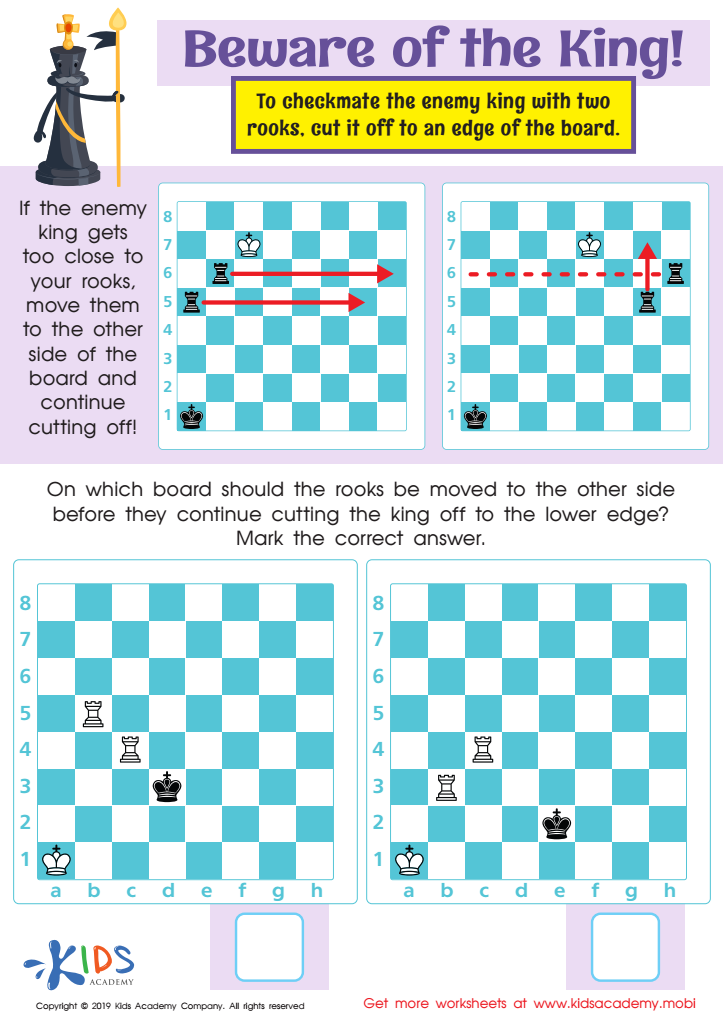
Beware of the King! Worksheet
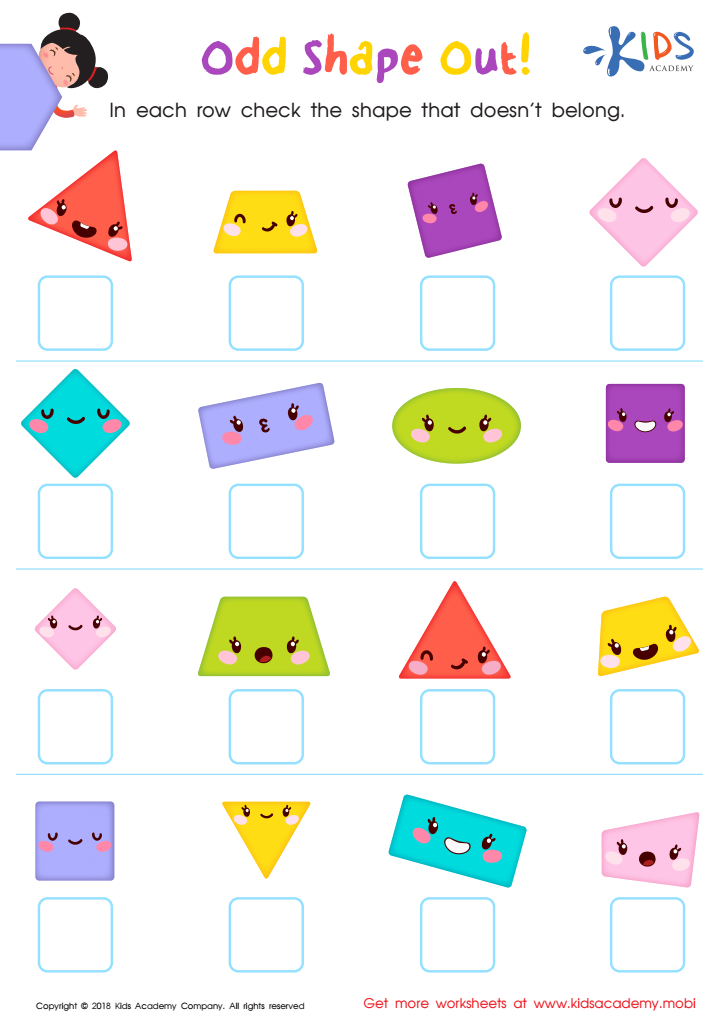
Odd Shape Out Worksheet for Grade 3

Dogs, Dogs Worksheet
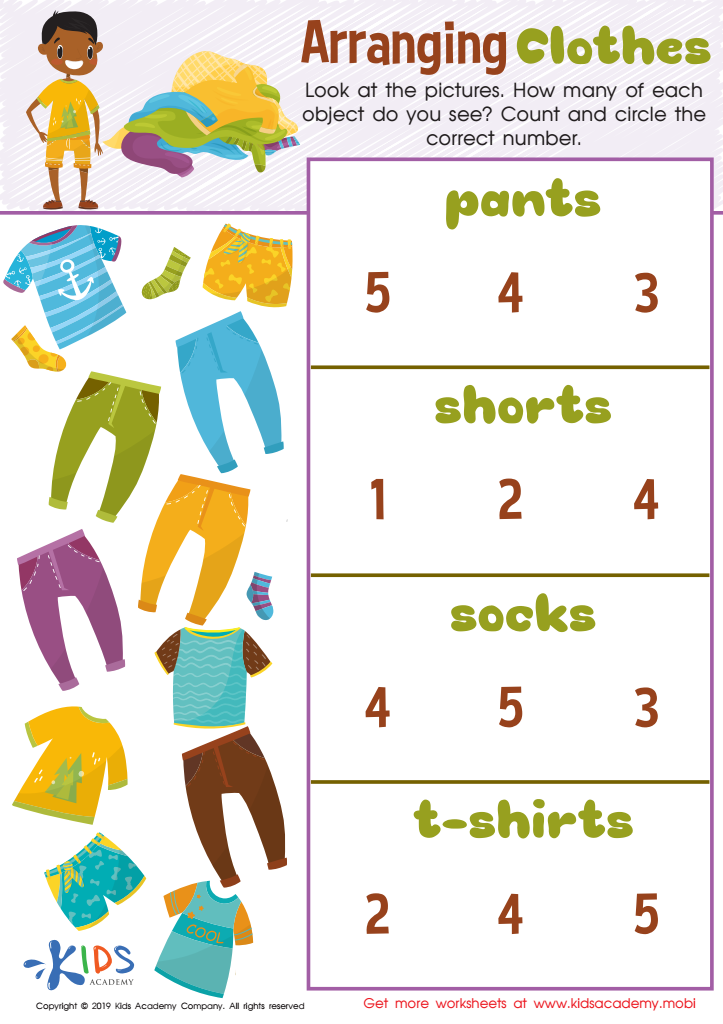
Arranging Clothes Worksheet
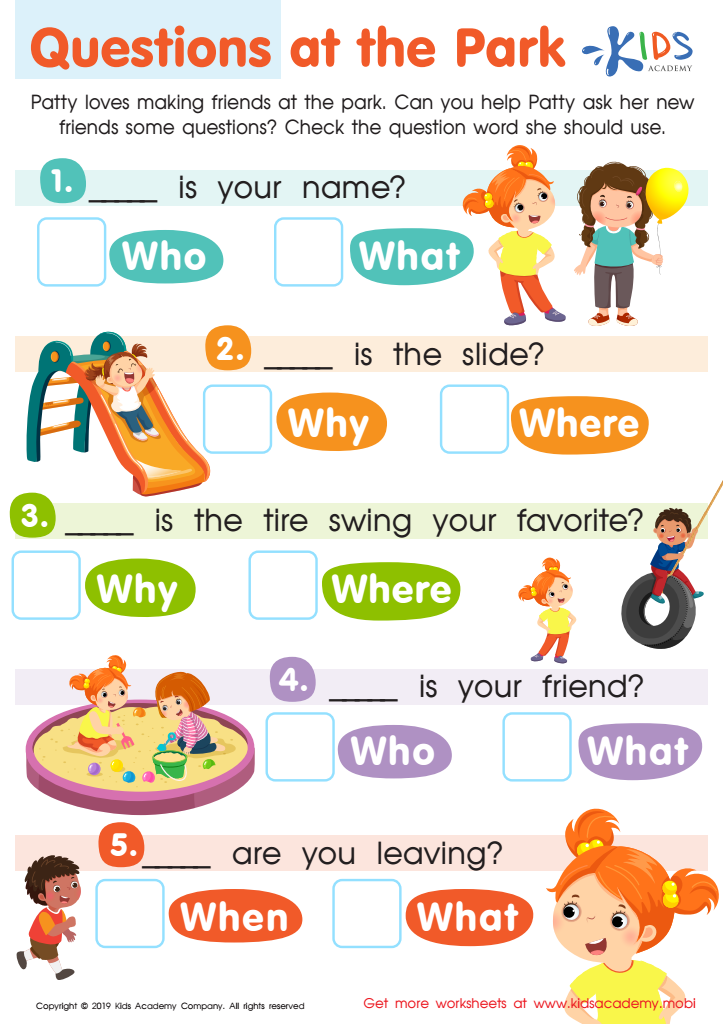
Questions at the Park Worksheet

Summer and Winter Worksheet
 Assign to My Students
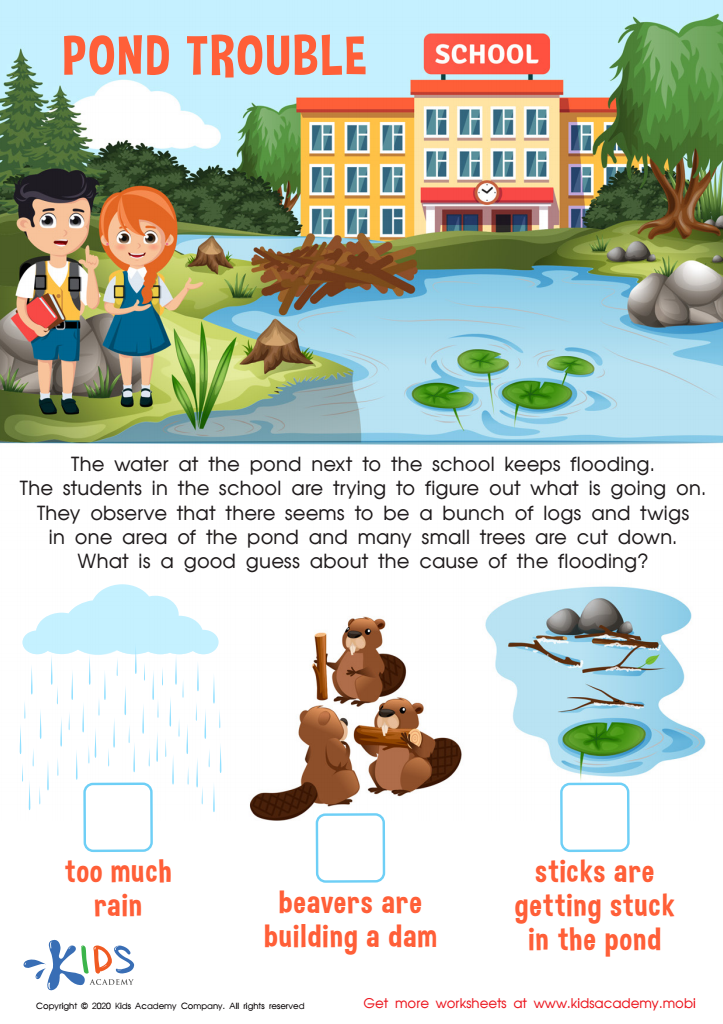
Pond Trouble Worksheet
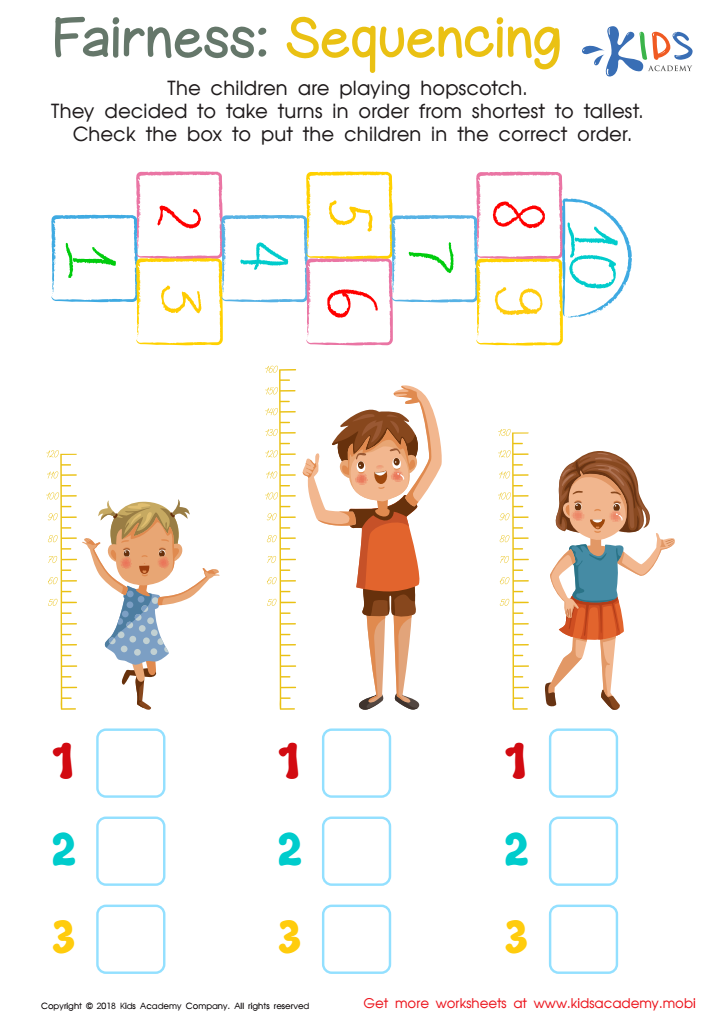
Fairness: Sequencing Worksheet
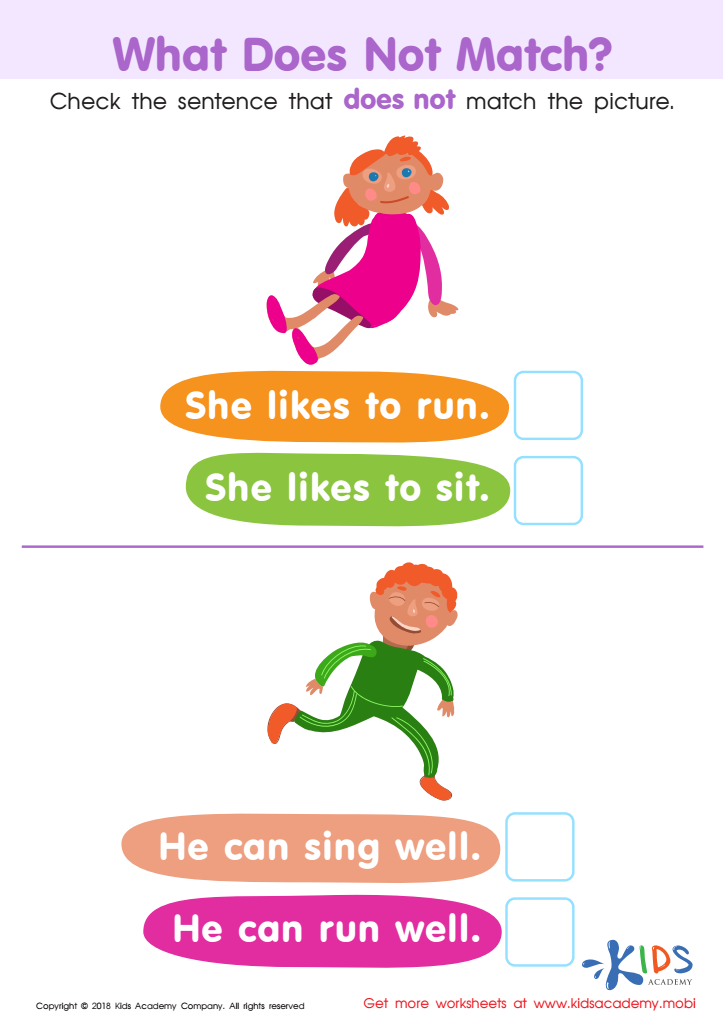
What Does Not Match? Worksheet








Logical reasoning is a foundational skill that underpins much of what children need to succeed academically and socially. Parents and teachers should emphasize logical reasoning activities for children aged 5-9 because this is a critical period for cognitive development. During these early years, children’s brains are highly receptive to learning new patterns of thinking.
Boosting logical reasoning enhances children's problem-solving skills, enabling them to approach situations methodically and effectively. Logical reasoning also supports the development of mathematical skills, as many math concepts rely on understanding patterns, sequences, and relationships between numbers. By engaging in logical reasoning exercises, children develop the ability to think critically and analytically, which impacts their performance across all subjects.
Moreover, strengthening logical reasoning contributes to emotional and social development. It helps children understand cause and effect, make informed decisions, and navigate complex social interactions more smoothly. By grasping the logic behind their own and others' actions, they become more empathetic and skilled in resolving conflicts.
In essence, focusing on logical reasoning sets a solid foundation for lifelong learning. It empowers children to understand the world around them more deeply and prepares them for the growing complexity of future academic tasks and life challenges. Investing in this aspect of early education translates to a broader skill set that benefits children throughout their lives.








