Mathematical reasoning Easy Worksheets for Ages 5-9
4 filtered results
-
From - To
Discover our engaging and accessible Mathematical Reasoning Easy Worksheets designed specifically for children ages 5-9. These worksheets provide a fun and interactive way to strengthen young learners' critical thinking and problem-solving skills through age-appropriate tasks. Covering a range of math concepts like patterns, basic addition and subtraction, and shapes, our resources help foster a positive attitude towards mathematics. Perfect for both home and classroom use, these worksheets encourage hands-on learning and promote confidence in mathematical reasoning. Give your child the tools they need for a solid math foundation while keeping their educational experience enjoyable and effective! Explore our collection today!
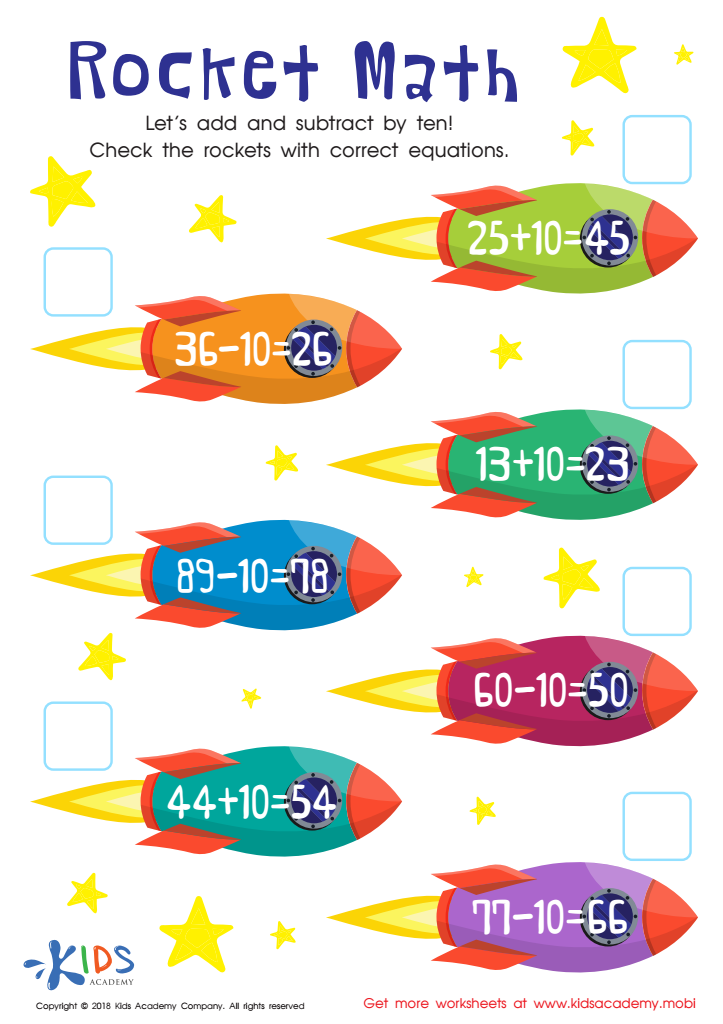
Rocket Math Worksheet
 Assign to My Students
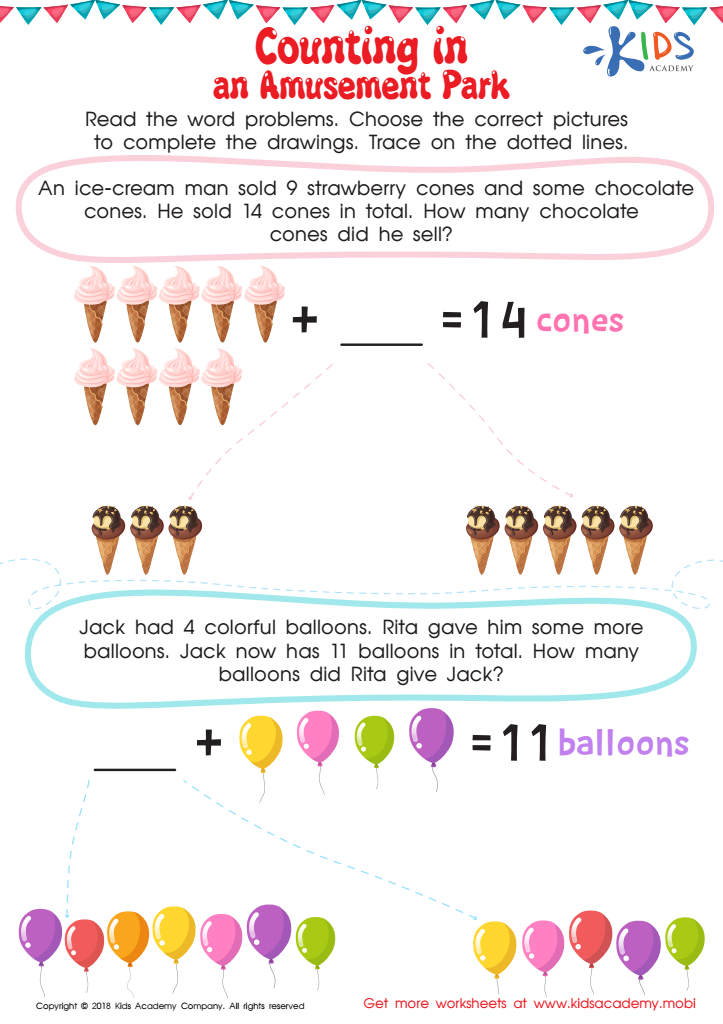
Counting in an Amusement Park Worksheet
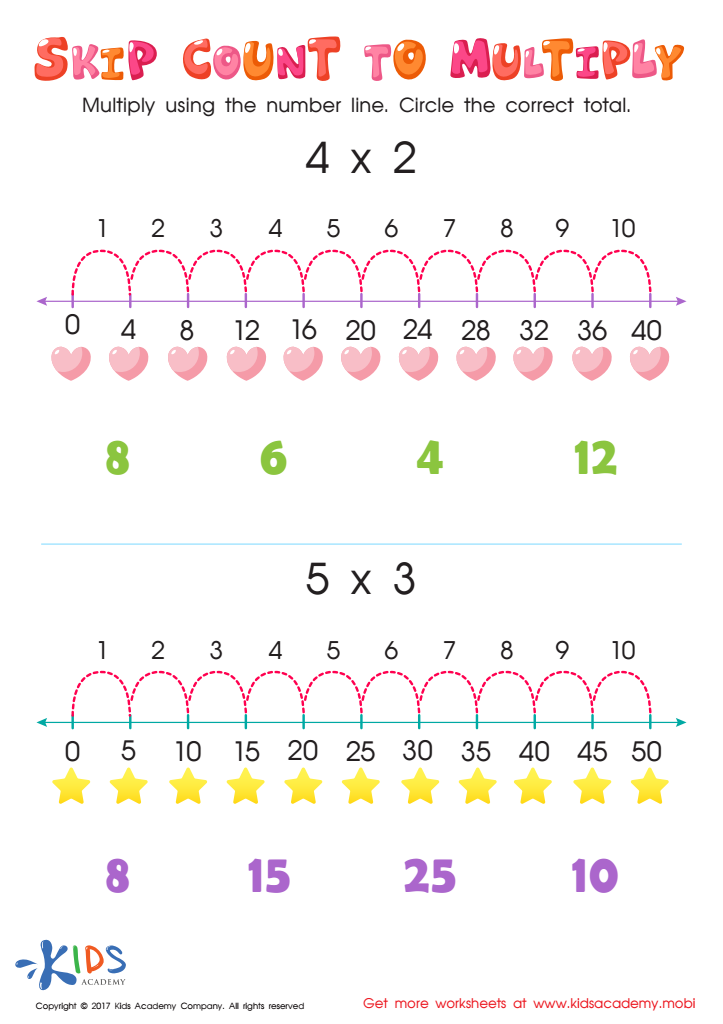
Skip Count Multiplication Worksheet
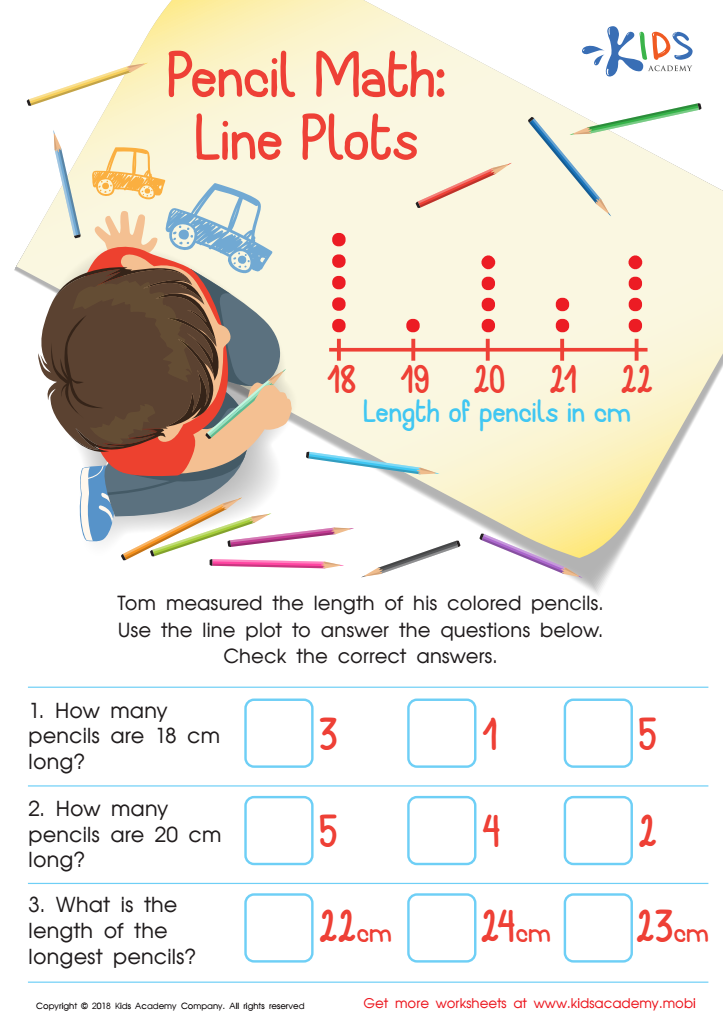
Pencil Math: Line Plots Worksheet








Mathematical reasoning is crucial for children aged 5-9 because it lays the foundation for critical thinking and problem-solving skills that are essential throughout life. At this age, children are naturally curious and eager to explore concepts. Encouraging mathematical reasoning helps them understand numbers, shapes, and patterns, fostering a love for learning and exploration.
Parents and teachers should care about this skill because it enhances a child's ability to make sense of mathematical concepts and apply them in real-world situations. For instance, when children learn to reason logically about numbers, they can better understand simple transactions, measurements, or even time management.
Moreover, developing mathematical reasoning can boost a child's self-esteem. When children solve problems and understand reasoning processes, they gain confidence in their abilities, which promotes a positive attitude toward mathematics. This foundational skill also supports literacy development since reasoning in math often involves language comprehension and the ability to communicate thoughts clearly.
Lastly, the problem-solving strategies nurtured through mathematical reasoning can translate into various life skills, enabling children to tackle challenges creatively and effectively. Thus, supporting children's mathematical reasoning sets them up for academic success and lifeskills, making it a priority for parents and educators alike.








