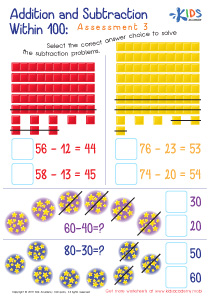
Fine Motor Skills Easy Numbers 11–20 Worksheets for Ages 5-9
4 filtered results
-
From - To
Enhance your child's fine motor skills with our engaging Easy Numbers 11–20 worksheets, specially designed for ages 5-9. These printable activities provide a fun and interactive way for young learners to practice number recognition, counting, and coordination. Each worksheet integrates tracing, coloring, and other hands-on tasks that not only reinforce math concepts but also develop essential hand skills. Perfect for home or classroom use, these resources boost confidence and are aligned with early childhood learning goals. Help your child build a strong foundation in both math and fine motor abilities today! Explore our collection for a joyful learning experience!
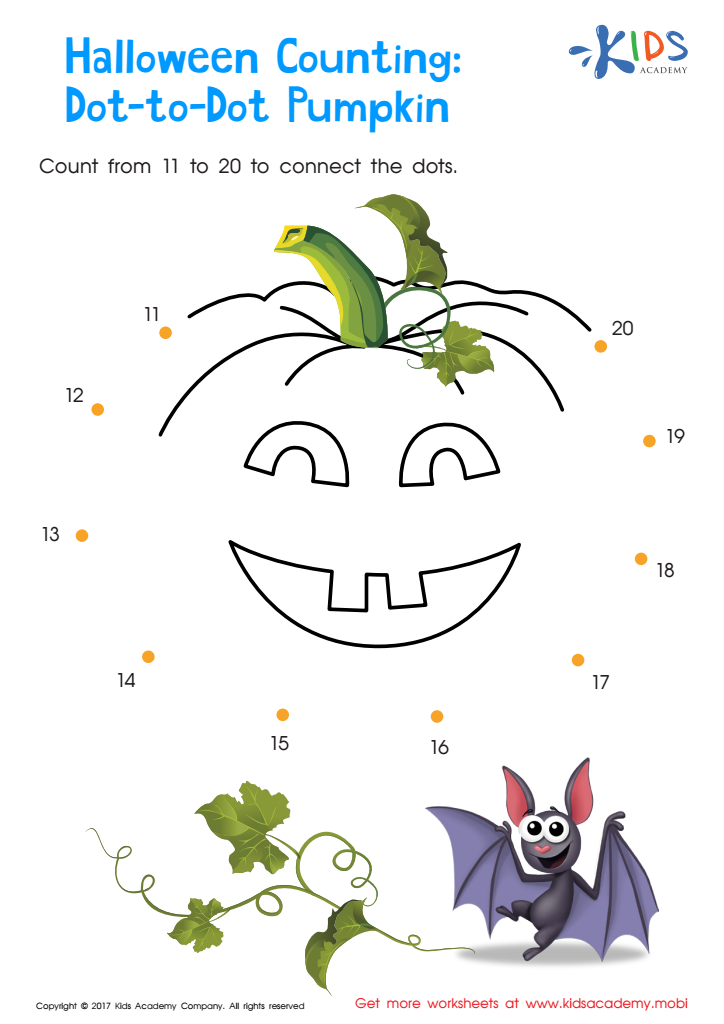
Ordering 11–20: Halloween Counting Worksheet
 Assign to My Students
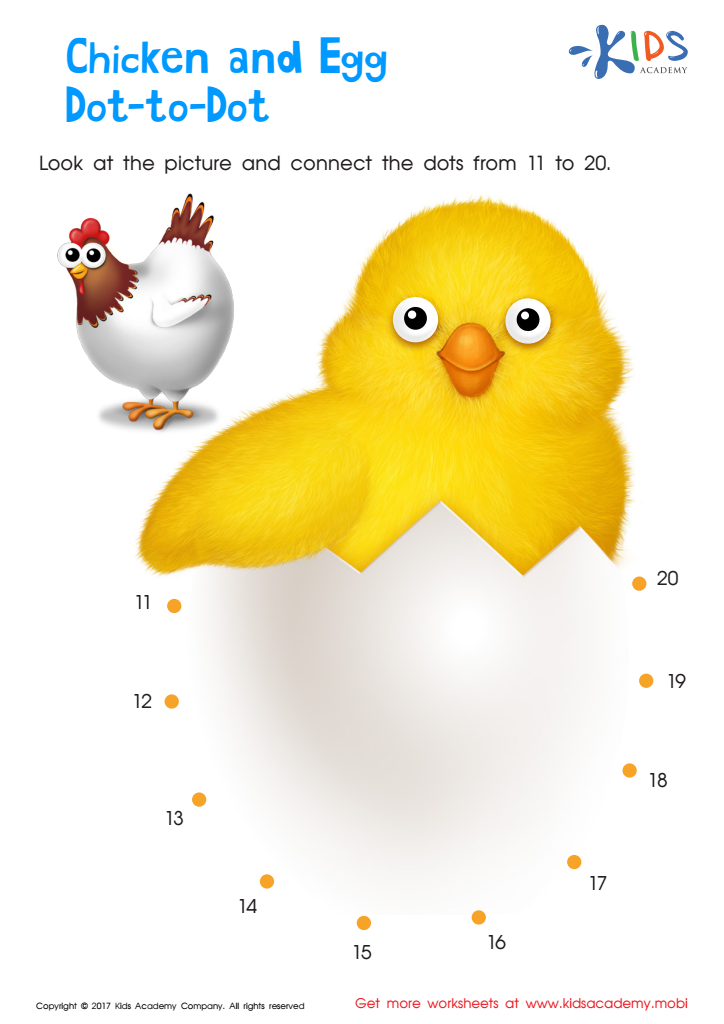
Ordering 11–20: Chicken & Egg Dot–to–dot Worksheet
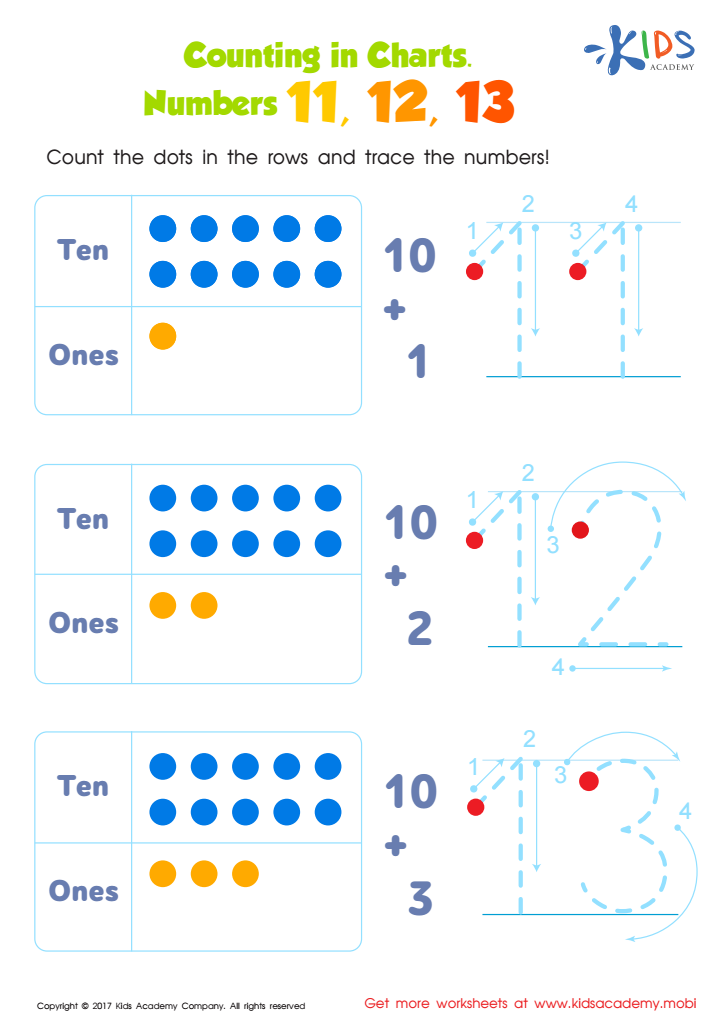
Number Tracing Worksheet For Kindergarten
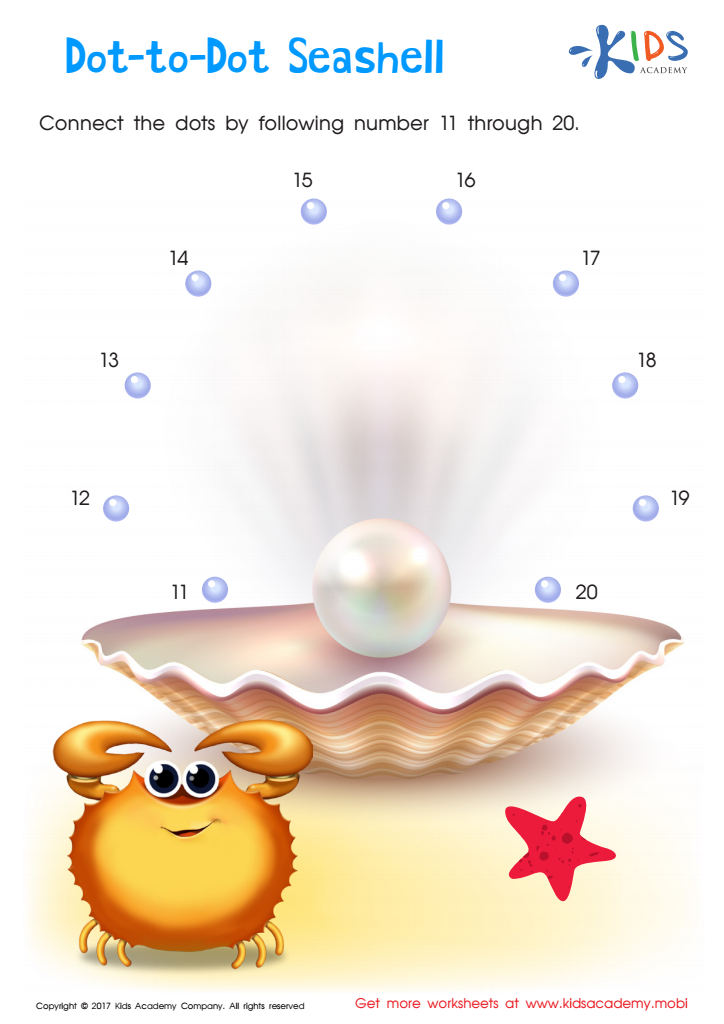
Ordering 11–20: Dot–to–dot Seashell Printable



Fine motor skills are essential for children aged 5-9 as they form the foundation for a wide range of important tasks and skills. These skills are crucial when it comes to everyday activities like writing, drawing, and using utensils. Focusing on numbers 11–20 involves engaging children in exercises that refine their dexterity and hand-eye coordination. As they practice writing these numbers, they develop the muscle control needed for writing their names and completing other academic tasks, enhancing their literacy and numeracy skills.
Additionally, fine motor development is linked to cognitive growth; as children manipulate tools and craft materials, they enhance their problem-solving skills and creativity. Parents and teachers can incorporate fine motor activities supporting numbers 11–20, such as tracing worksheets, counting games with small objects, or using play dough to form numbers. These hands-on experiences reinforce learning while making it enjoyable.
Moreover, confident fine motor skills help children develop independence in personal tasks, boosting their self-esteem. Ultimately, proficiency in fine motor skills not only makes learning smoother and more effective but also supports emotional and social development as children partake in collaborative activities. Therefore, prioritizing these skills is crucial for holistic child development.