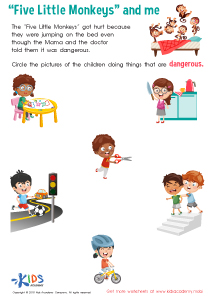
Critical Thinking Easy Building Vocabulary Worksheets for Ages 5-9
3 filtered results
-
From - To
Boost your child's vocabulary and critical thinking skills effortlessly with our specialized worksheets for ages 5-9. Designed by experts, these engaging activities focus on building essential language skills through fun and interactive exercises. Your young learner will expand their vocabulary, improve reading comprehension, and develop strong critical thinking abilities. From matching words to definitions to completing sentences with new vocabulary, our worksheets are tailored to keep children motivated and excited about learning. Perfect for both classroom and at-home practice, these resources provide a strong foundation for lifelong learning. Start enhancing your child's educational journey today!
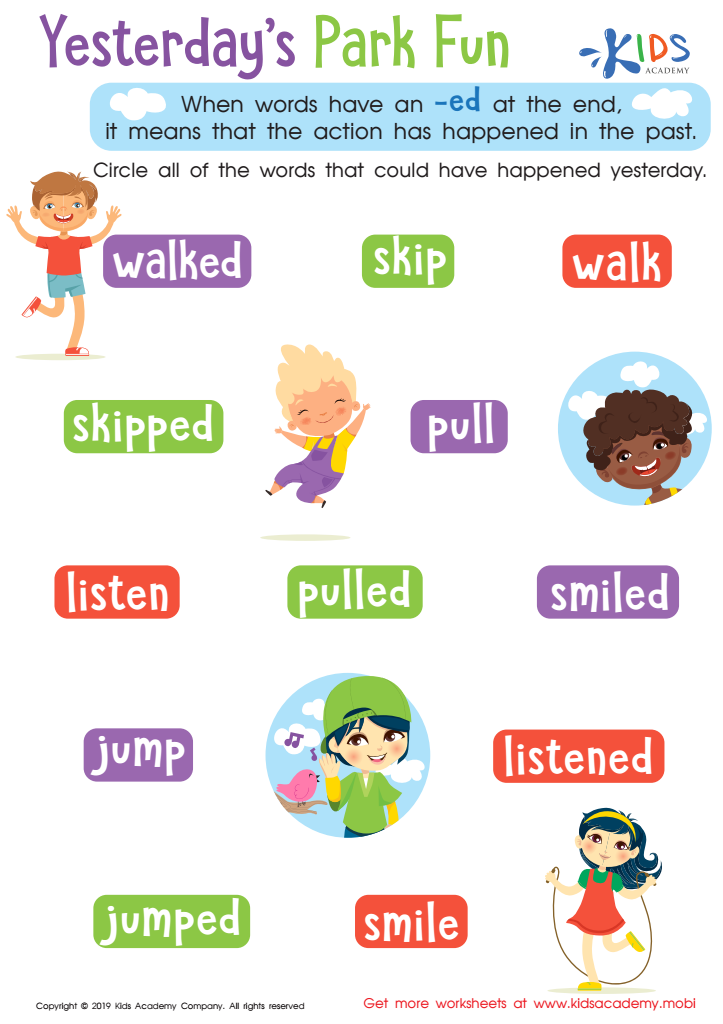
Yesterday's Park Fun Worksheet
 Assign to My Students











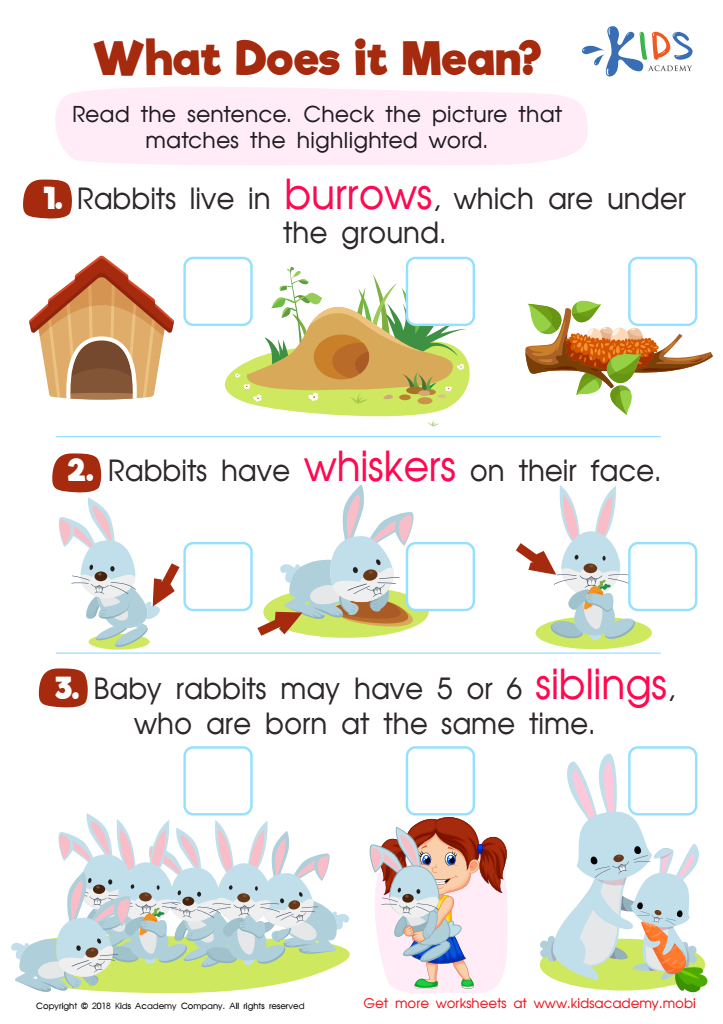
What Does It Mean? Worksheet
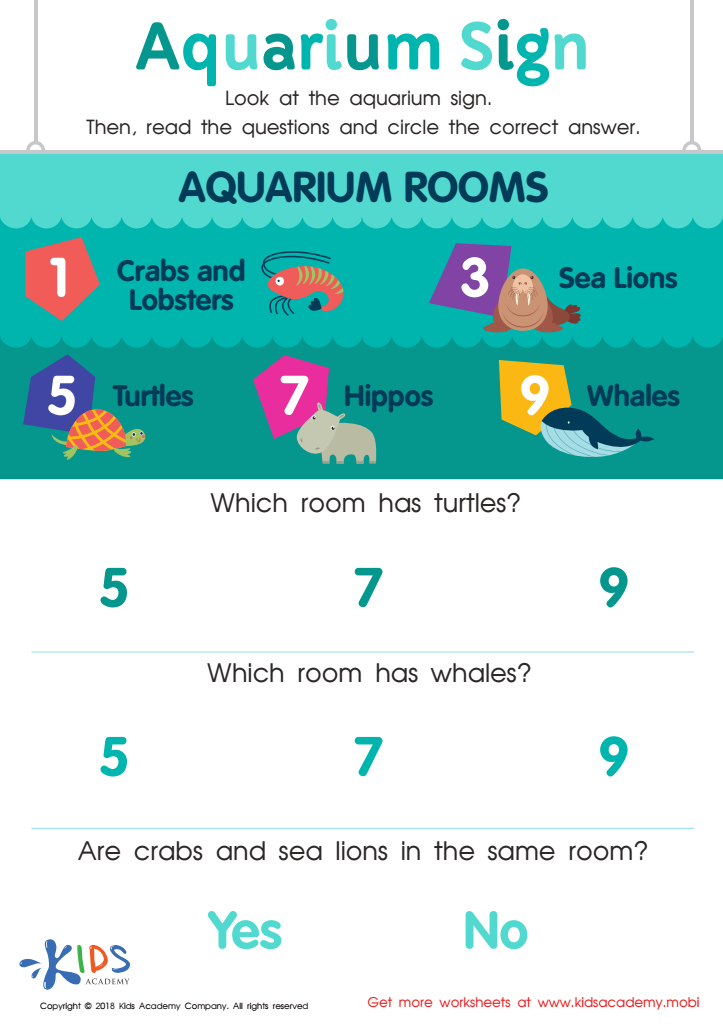
Assessment: Aquarium Sign Worksheet








Parents and teachers play a crucial role in fostering early childhood development, and one of the most vital areas to focus on is the development of critical thinking and building vocabulary skills. For children between the ages of 5-9, these foundational elements are essential for several reasons.
First, vocabulary is the cornerstone of communication. By expanding their word knowledge, children can articulate thoughts, understand instructions, and engage more effectively in social interactions. This skill becomes increasingly important as they progress through school and life.
Critical thinking, on the other hand, enables children to analyze information, solve problems, and make informed decisions. Teaching kids to question, reflect, and evaluate information is crucial in a world where they will constantly encounter new information and challenges. Since critical thinking is closely tied to language processing, a rich vocabulary allows children to better express and navigate complex ideas.
Incorporating these skills at an early age sets the stage for lifelong learning and adaptability. Children who can think critically and have a strong vocabulary are more likely to excel academically, socially, and eventually in their careers. By prioritizing critical thinking and vocabulary building, parents and teachers equip children with tools for success, fostering not just academic achievements, but also the confidence to face the broader world.