Fine Motor Skills Easy Building Vocabulary Worksheets for Ages 5-9
4 filtered results
Difficulty Level
Grade
Age
-
From - To
Subject
Activity
Standards
Enhance your child's development with our Fine Motor Skills Easy Building Vocabulary Worksheets, tailored specifically for ages 5-9. These engaging worksheets are designed to support young learners in improving their vocabulary while also strengthening fine motor skills. Fun and interactive activities inspire children to learn new words, write neatly, and practice hand-eye coordination. Perfect for both home and classroom settings, our printable worksheets provide valuable practice for foundational reading and writing skills in a simple, user-friendly format. Give your child a head start in vocabulary building and fine motor skill development with our expertly crafted resources.
Favorites
With answer key
Interactive
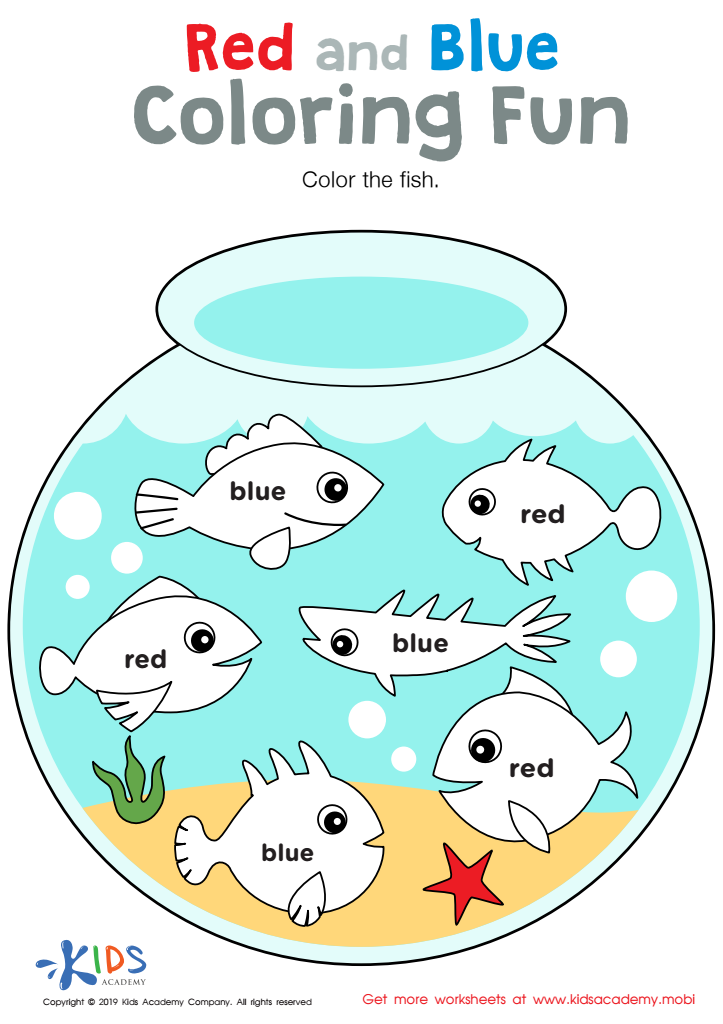
Red and Blue Coloring Fun Worksheet
Kids know colors like red and blue. But can they read these words? Give them practice with this fun fish bowl coloring sheet. They'll look at the fish, then color them the corresponding hue. Home or classroom, they'll be sure to get a kick out of learning colors in this creative way!
Download (PDF)
 Assign to My Students
Assign to My Students
Red and Blue Coloring Fun Worksheet
Worksheet











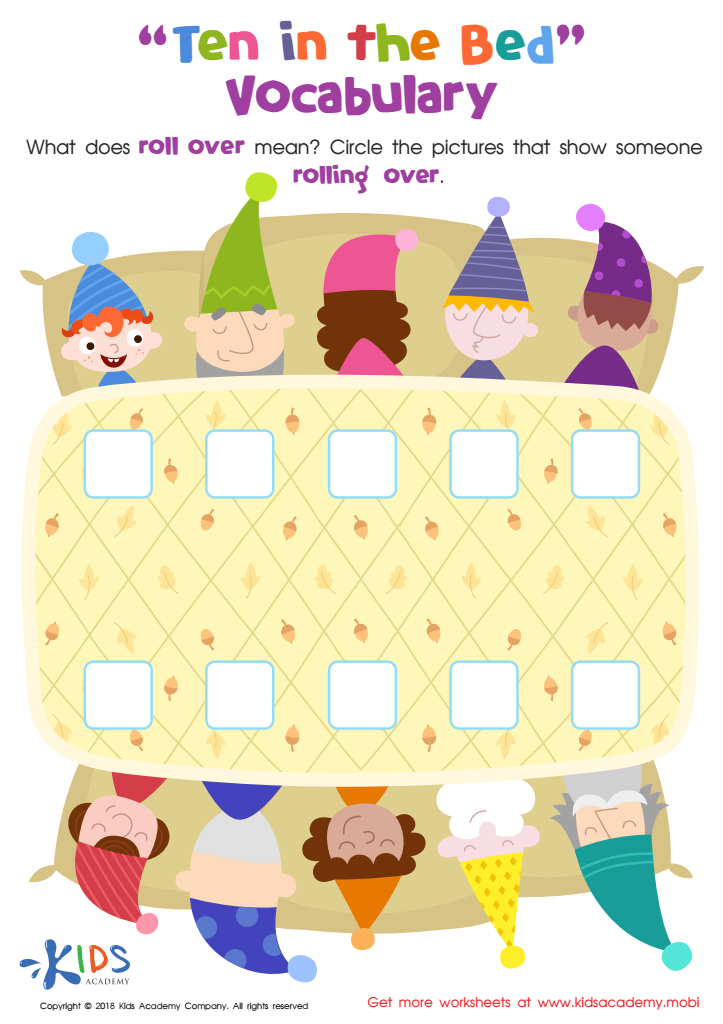
Ten in the Bed: Vocabulary Worksheet
It's essential for emerging readers to be proficient in positional and directional words. This worksheet uses cheerful faces to help students identify who has "rolled over". Knowing these words is an essential part of reading and writing for pre-K and Kindergarteners. It also helps them to follow directions and use precise language.
Ten in the Bed: Vocabulary Worksheet
Worksheet
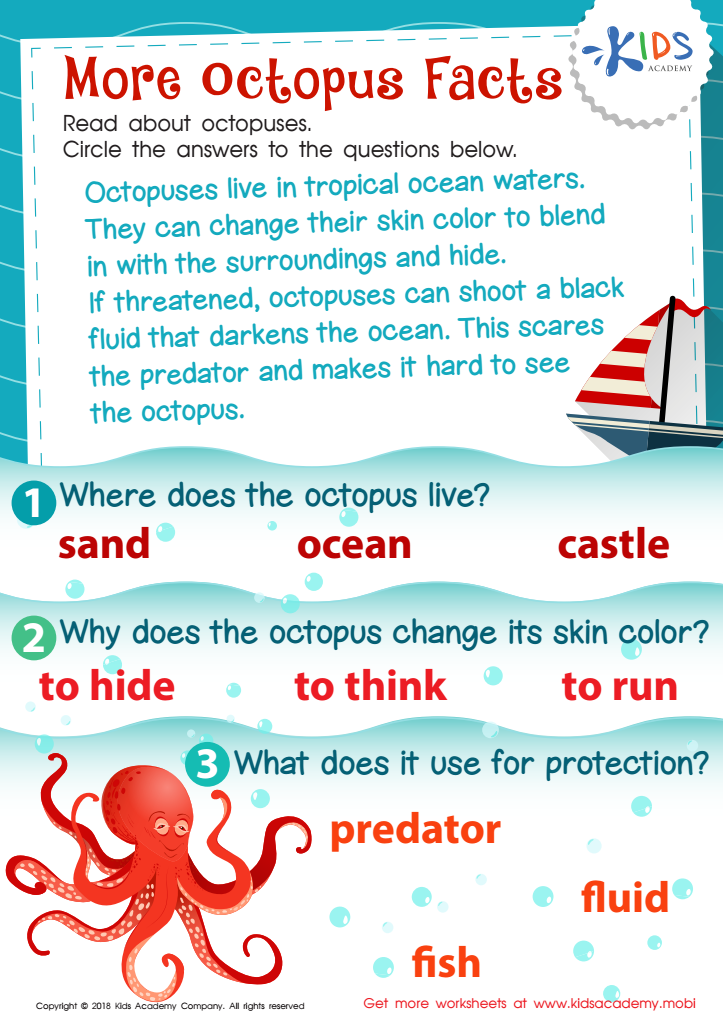
More Octopus Facts Worksheet
This worksheet will help your kids learn about the Octopus. Read the text carefully and have kids read with you. Now, ask them questions based on it and help them answer them by circling the right choices. Teaching your kids facts about animals will help them in the long run.
More Octopus Facts Worksheet
Worksheet
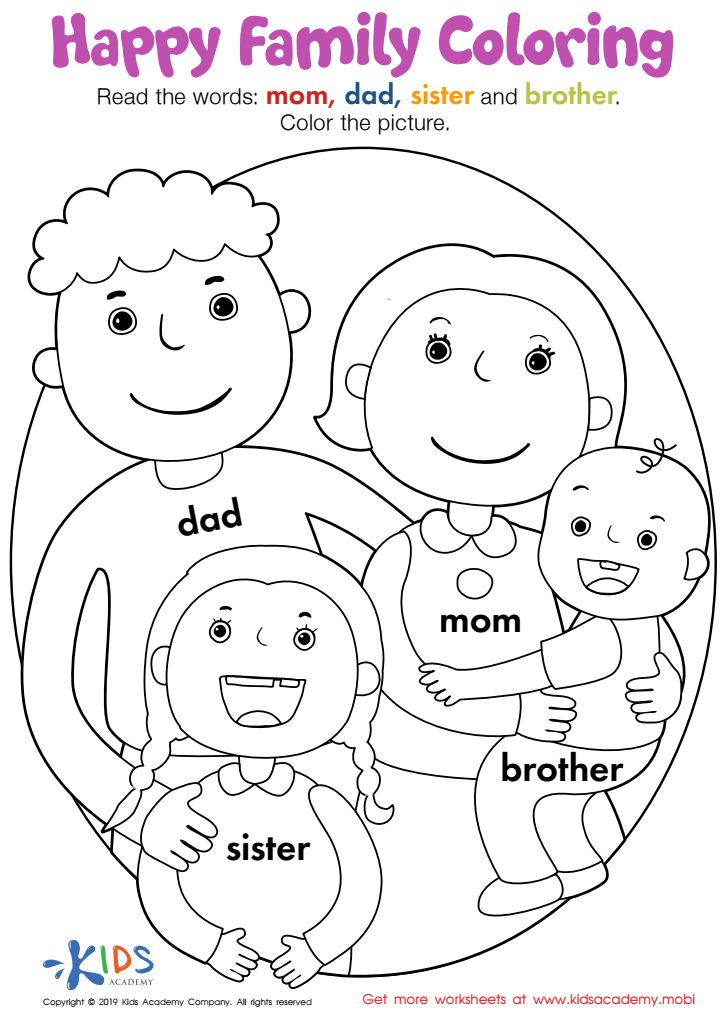
Happy Family Coloring Worksheet
Help your students gain confidence in family vocabulary with this worksheet. Labelled images of a family (dad, mom, sister, brother) are featured, along with an accompanying activity to colour in the picture. Your students will feel a sense of accomplishment after reading and completing the printable.
Download (PDF)
Assign to My Students
Assign to My Students
Happy Family Coloring Worksheet
Worksheet
Join Kids Academy for Free
Who is primarily going to use this learning content?







.jpg)
Fine motor skills are essential for young children as they play a significant role in their overall development and ability to perform everyday tasks. For ages 5-9, these skills—which involve the coordination of small muscles, particularly in the hands and fingers—are crucial in activities like writing, buttoning clothes, and tying shoelaces. All these tasks foster independence and build self-confidence.
Moreover, fine motor skills are closely linked with cognitive development. Efficient fine motor control allows children to write letters and numbers, engage in arts and crafts, and manipulate small objects, all of which enhance their learning experiences. These activities not only sculpt their hand-eye coordination but also help them concentrate and follow instructions.
Building a robust vocabulary at this age is equally important as it lays the groundwork for effective communication and academic success. When children engage in activities that also involve fine motor skills, such as playing with building blocks or clamping objects in place, they learn new words and concepts relevant to these activities. This integration of motor skills and vocabulary is essential for their readiness in subjects like reading and math, further facilitating smoother transitions into more complex tasks and instructions as they advance in school.
Thus, prioritizing both fine motor skills and vocabulary development equips children with the necessary tools for future academic and life success.