Cognitive Development Easy Reading Worksheets for Ages 5-9
8 filtered results
-
From - To
Explore our engaging Cognitive Development Easy Reading Worksheets, specially designed for children aged 5-9. These worksheets aim to enhance critical thinking and problem-solving skills while fostering a love for reading. Our beautifully crafted resources include fun activities that challenge young minds, featuring puzzles, comprehension exercises, and logical reasoning tasks tailored to various skill levels. Each worksheet not only promotes cognitive growth but also encourages creativity and imagination. Perfect for homeschooling, classroom activities, or supplementary practice, these worksheets provide an effective way for children to develop foundational reading skills while enjoying the learning process. Visit us now to boost your child's cognitive journey!
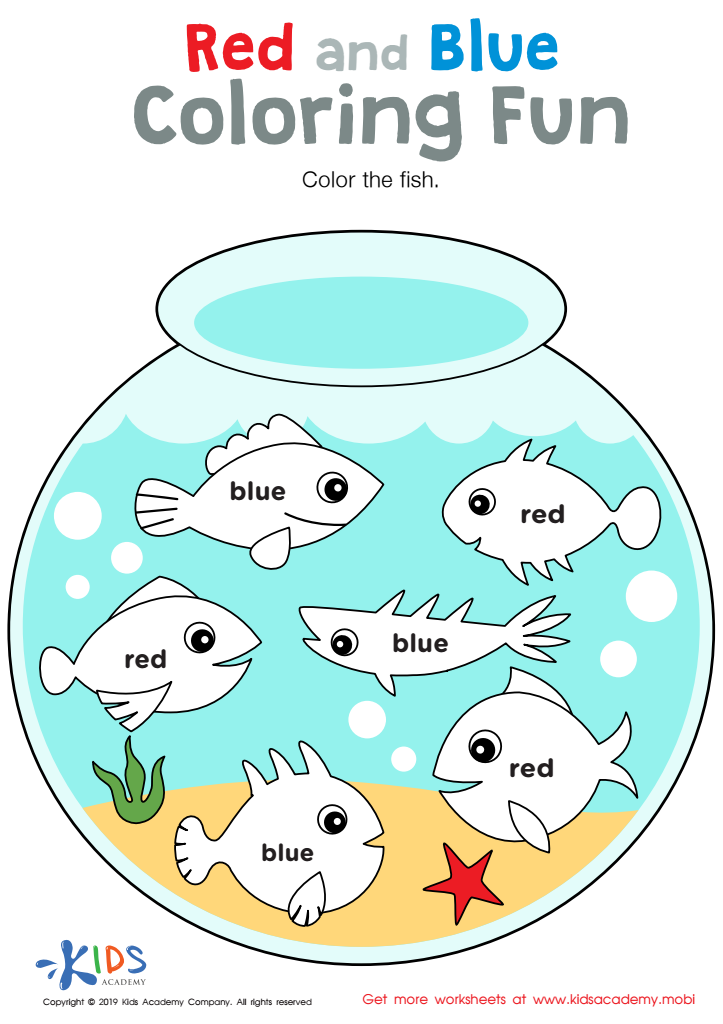
Red and Blue Coloring Fun Worksheet
 Assign to My Students
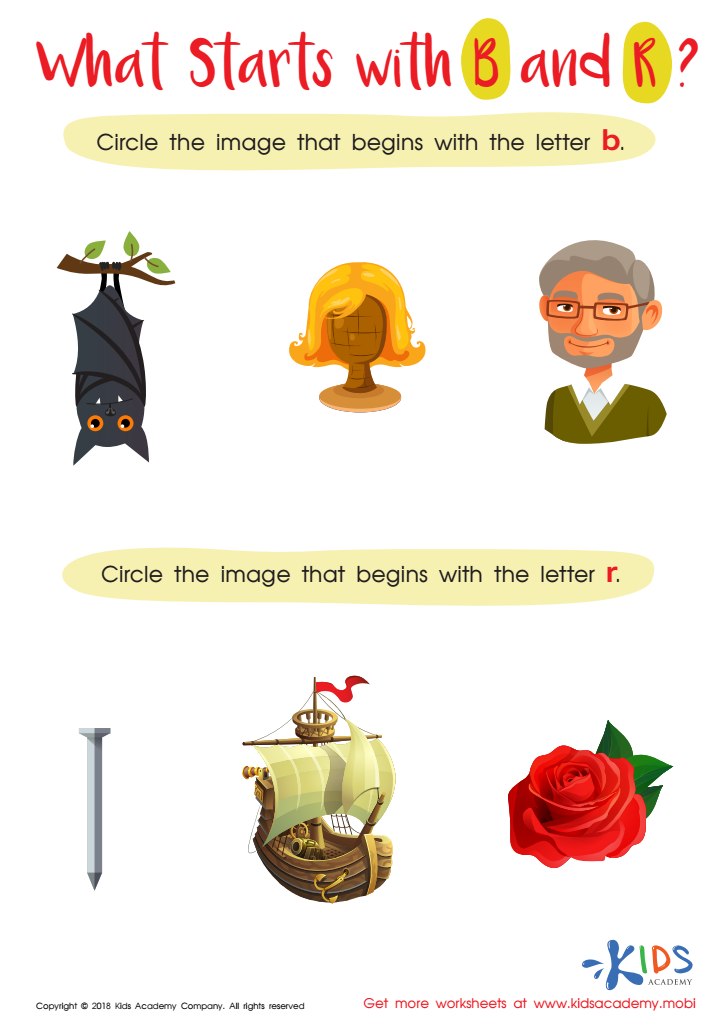
What Starts with B and R? Worksheet
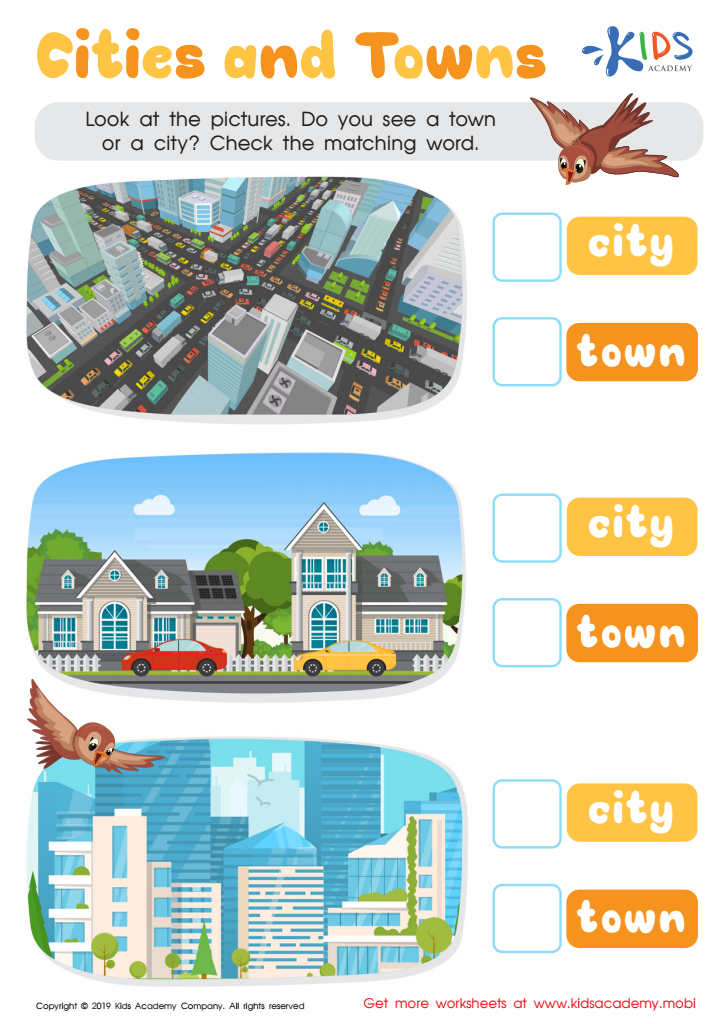
Cities and Towns Worksheet
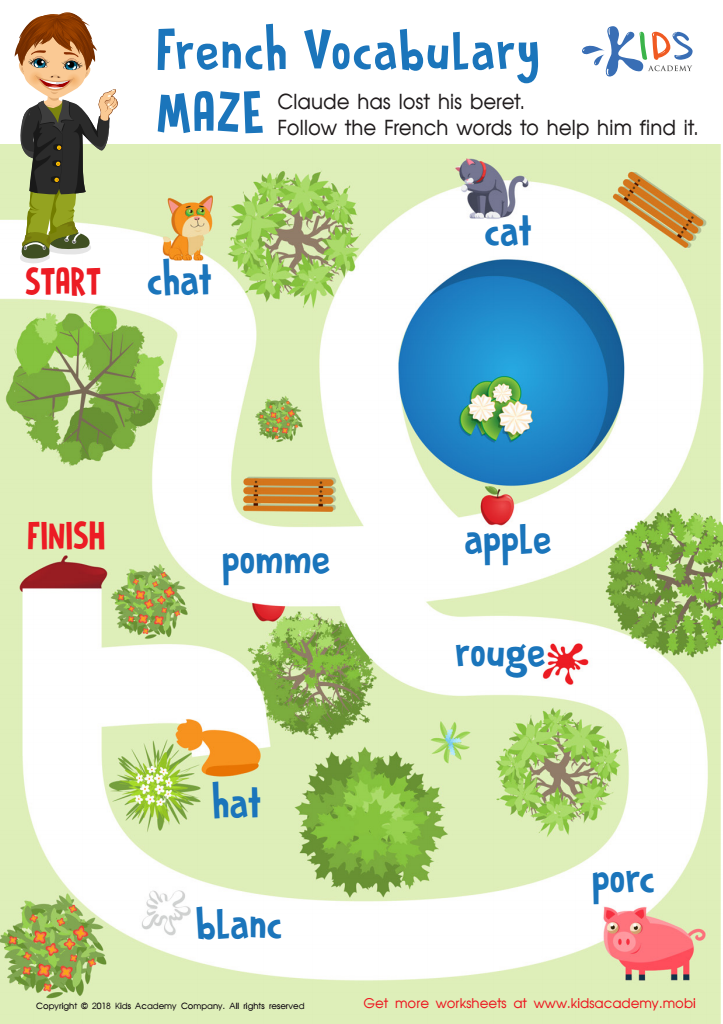
French Vocabulary Maze Worksheet
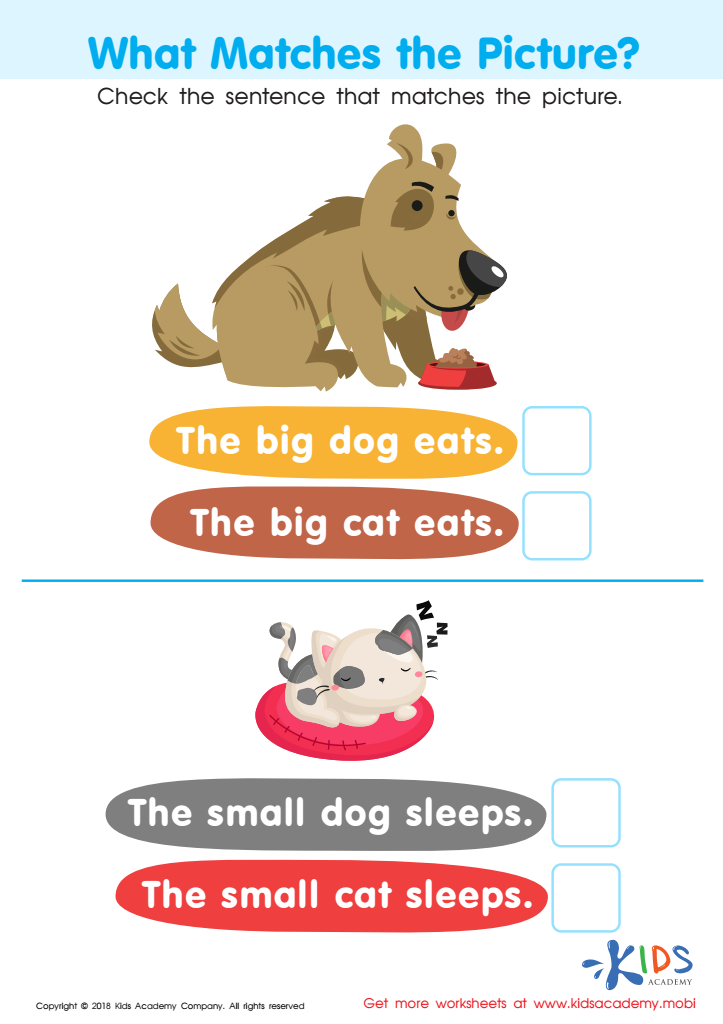
What Matches the Picture? Worksheet
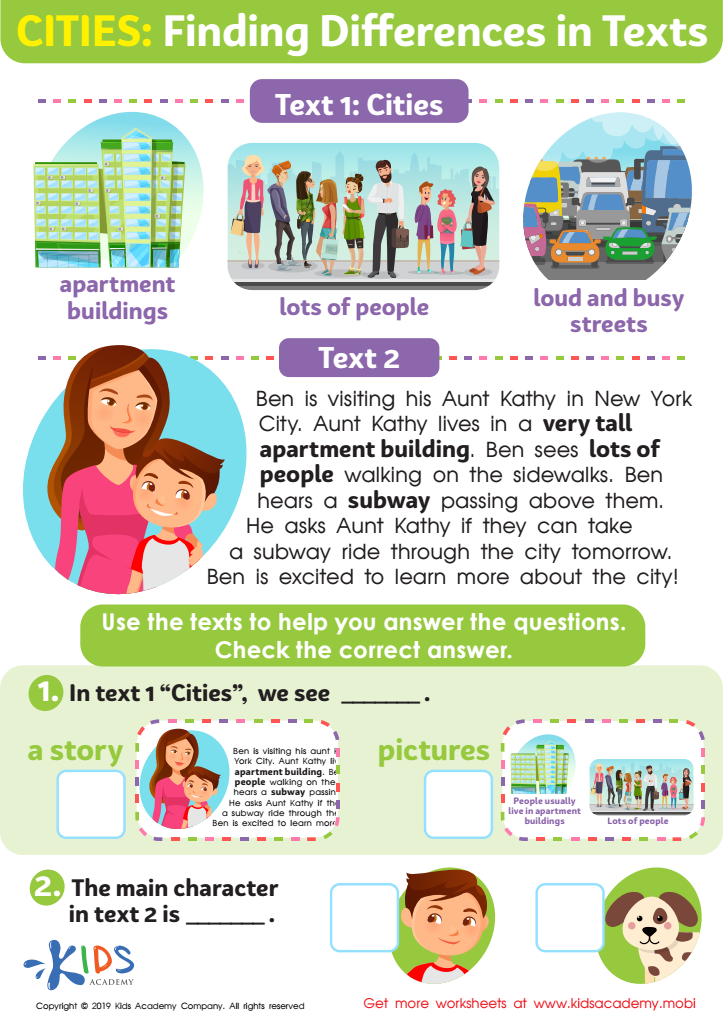
Cities: Finding Differences Worksheet
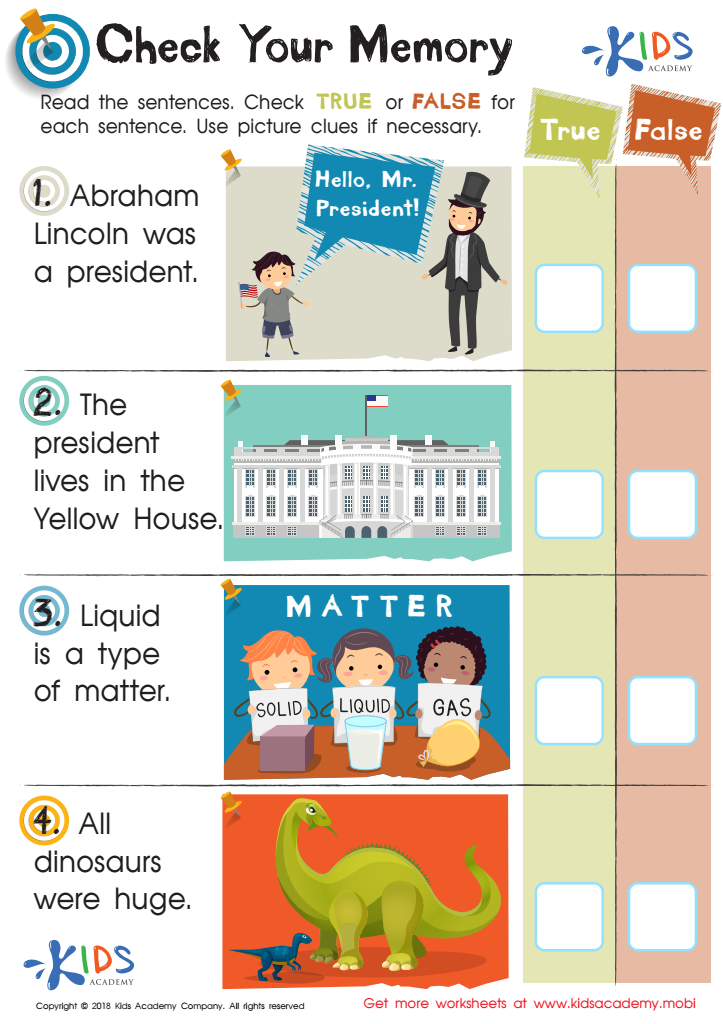
Check Memory Worksheet
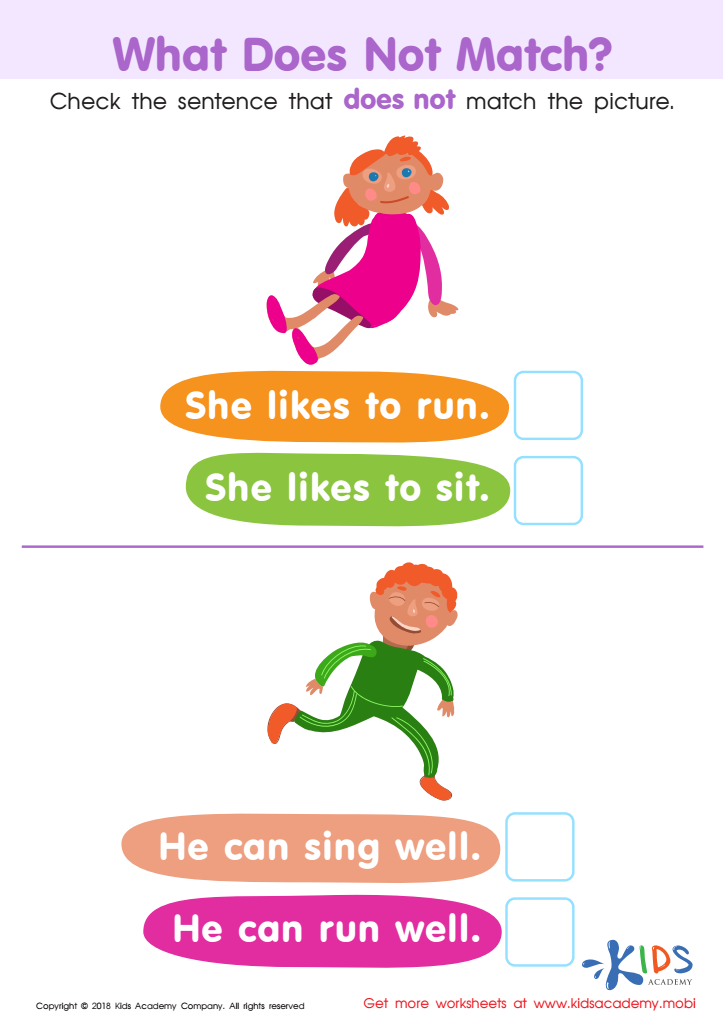
What Does Not Match? Worksheet





.jpg)


Cognitive development during ages 5-9 is crucial for a child’s overall growth and learning. During these formative years, children are like sponges, absorbing information and developing critical thinking skills. Easy reading materials provide age-appropriate content that helps build vocabulary and comprehension, laying the foundation for future academic success.
Parents and teachers should care about cognitive development because it directly influences a child’s ability to learn. Engaging reading activities stimulate curiosity, encourage exploration, and foster a love for learning. When children read easy texts, they practice vital skills like phonics, pattern recognition, and inference, helping them to make connections within stories and the world around them.
Furthermore, promoting cognitive development at this age sets the stage for strong social, emotional, and language skills, essential for collaborating and communicating effectively with peers. When children are confident readers, they’re more likely to participate actively in class discussions and group activities. In essence, investing time in cognitive growth through easy reading not only prepares children for academic challenges but also supports their emotional well-being and social interactions. Thus, both parents and educators play a key role in nurturing bright, inquisitive, and well-rounded learners.