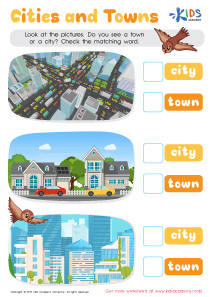
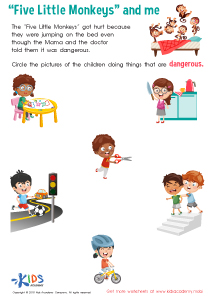
Sentence construction Easy Reading Worksheets for Ages 5-9
4 filtered results
-
From - To
Enhance your child's reading and writing skills with our specially designed Sentence Construction Easy Reading Worksheets for ages 5-9. These engaging and educational worksheets help young learners understand sentence structure, improve grammar, and boost vocabulary. Kids will have fun while developing essential reading skills through a variety of interactive exercises, such as word matching, sentence unscrambling, and picture-based sentence formation. Ideal for beginners and early learners, our worksheets foster a love for reading and writing, making learning a delightful experience. Unlock your child's potential with our comprehensive and enjoyable sentence construction worksheets today!
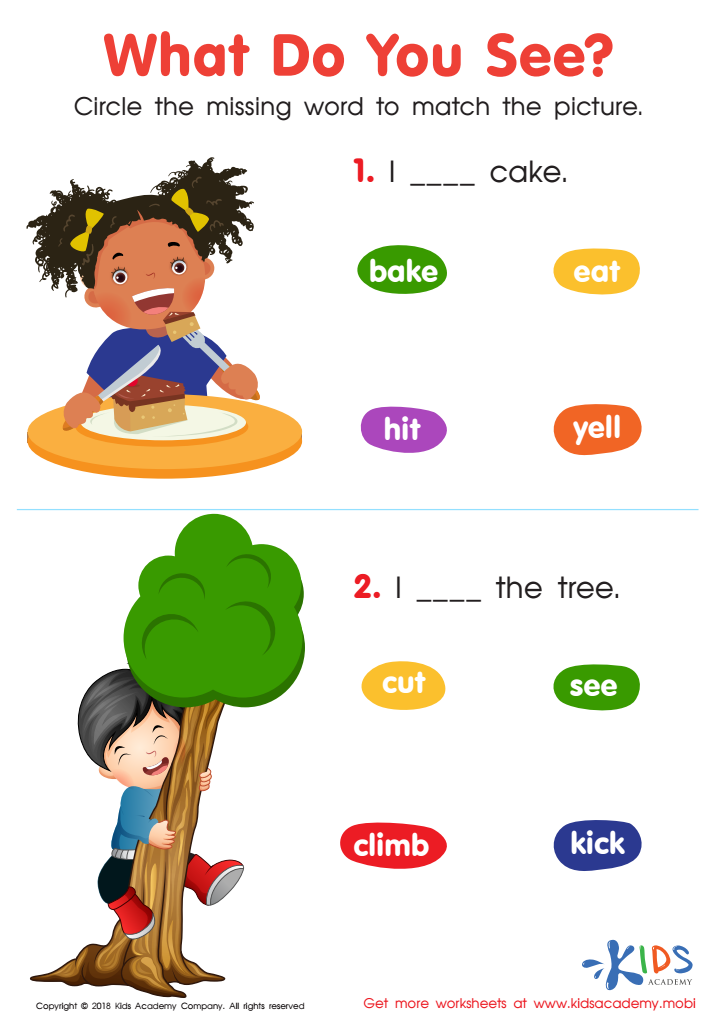
What Do You See? Reading Worksheet
 Assign to My Students
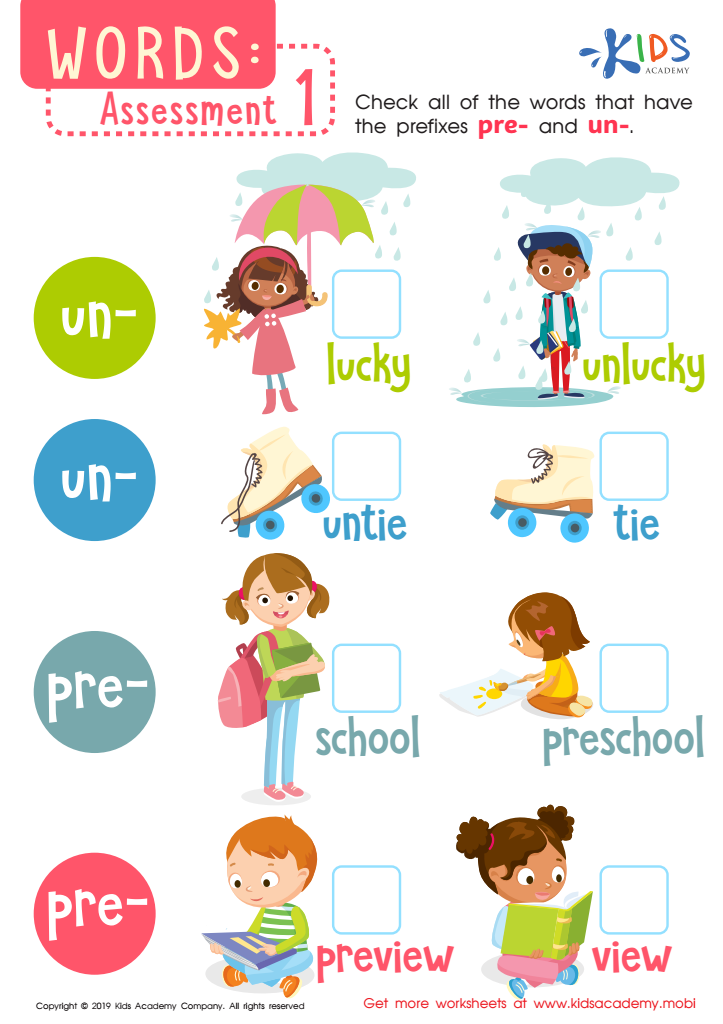
Words: Assessment 1 Worksheet
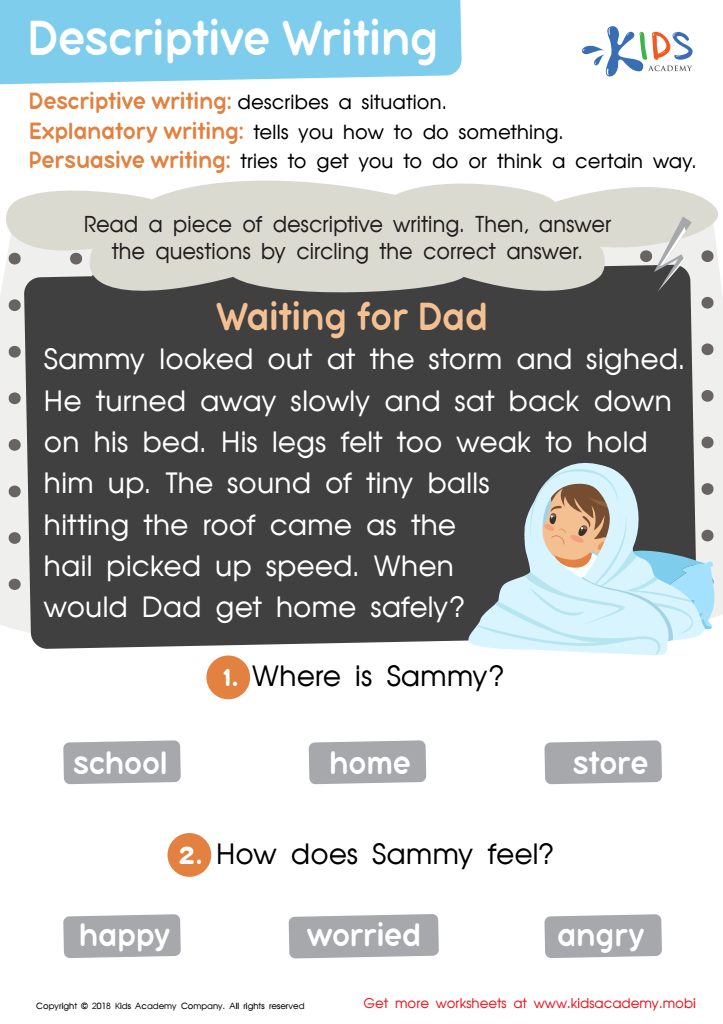
Descriptive Writing Worksheet: Part 2
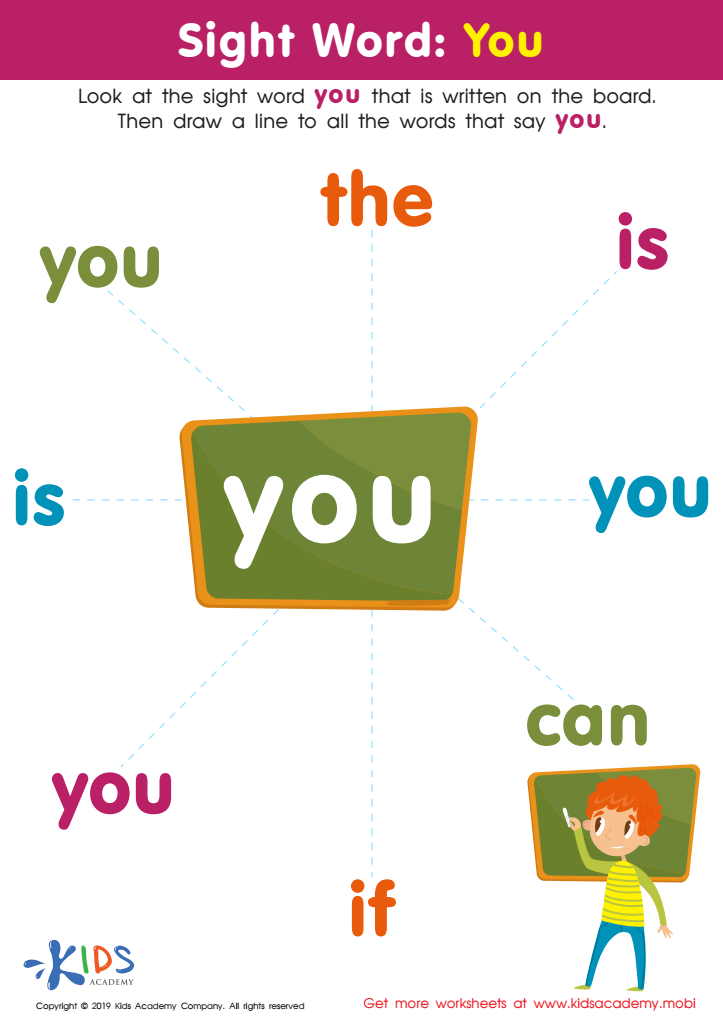
Sight Word You Worksheet







Developing strong sentence construction skills at an early age is crucial for children aged 5-9 as it lays the foundation for their future academic success and communication abilities. Parents and teachers need to care about easy reading and effective sentence construction as it helps children make sense of the world around them, express themselves clearly, and build confidence in their abilities.
When children master basic sentence construction, they can better understand and convey ideas, which is essential for effective communication. This skill extends to listening, speaking, reading, and writing, influencing their overall literacy development. Early childhood is a critical period for language acquisition, and providing young learners with the tools to construct sentences aids their cognitive development.
Additionally, strong sentence construction skills support comprehension. As children build and recognize sentence patterns, their ability to understand stories, instructions, and information improves, enhancing their learning across subjects. It also fosters creativity, enabling kids to craft stories and engage in imaginative play through language.
For educators and parents, focusing on easy reading materials and sentence construction activities can make learning enjoyable and attainable. Incorporating games, stories, and interactive lessons can motivate children, making them more inclined to participate and absorb the material effectively. Prioritizing these skills thus sets a positive trajectory for a child's lifelong literacy journey.