Sequencing Skills Easy Reading Fiction Worksheets for Ages 5-9
3 filtered results
-
From - To
Enhance your child's reading comprehension with our Sequencing Skills Easy Reading Fiction Worksheets, designed specifically for ages 5-9. This engaging collection encourages young readers to develop critical sequencing abilities through fun, age-appropriate stories. Each worksheet promotes the understanding of story order, helping children learn to identify the beginning, middle, and end of narratives. With vibrant illustrations and simple language, these worksheets enhance literacy skills while keeping learners entertained. Perfect for classroom or home use, our resources foster a love for reading and provide an excellent foundation for future learning. Empower your child today with crucial sequencing skills!
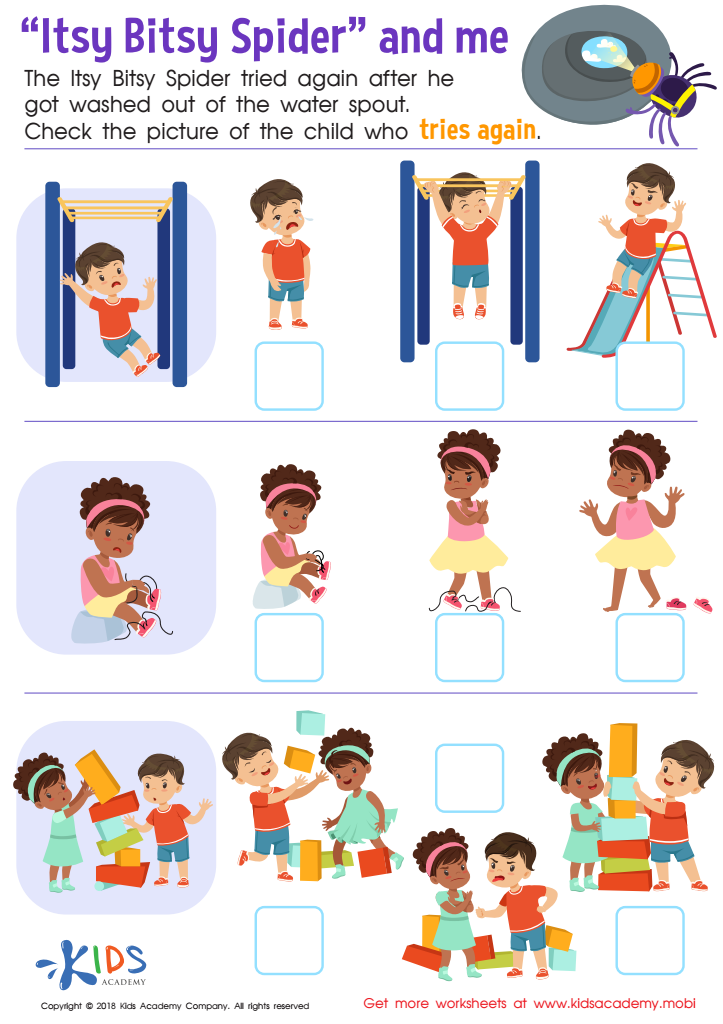
Itsy Bitsy Spider and Me Worksheet
 Assign to My Students
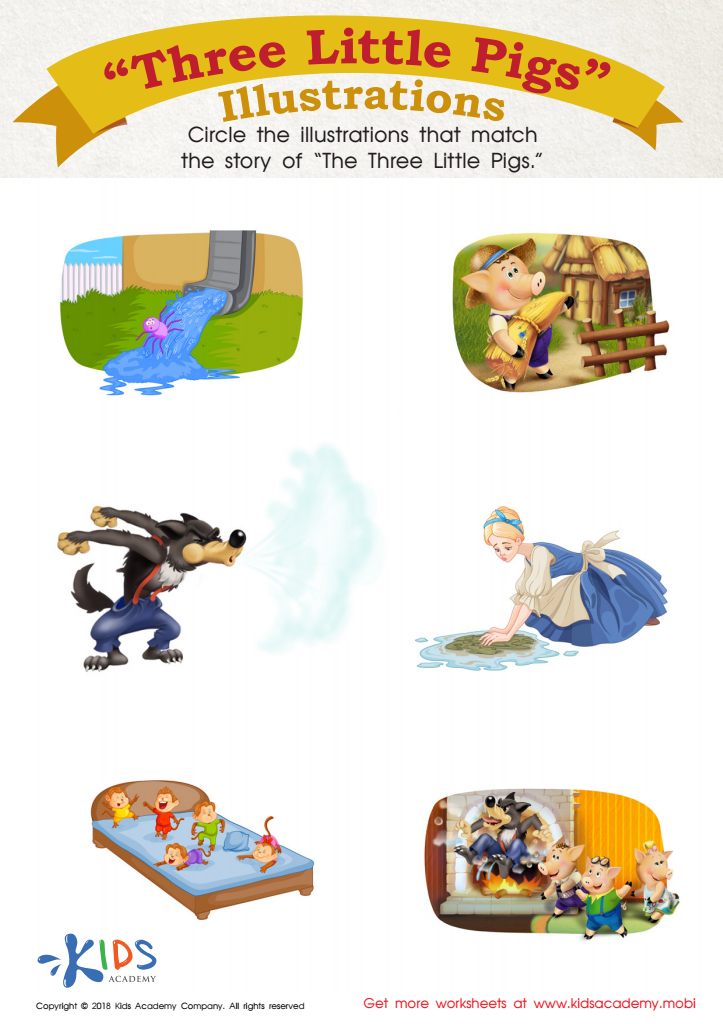
Three Little Pigs: Illustrations Worksheet
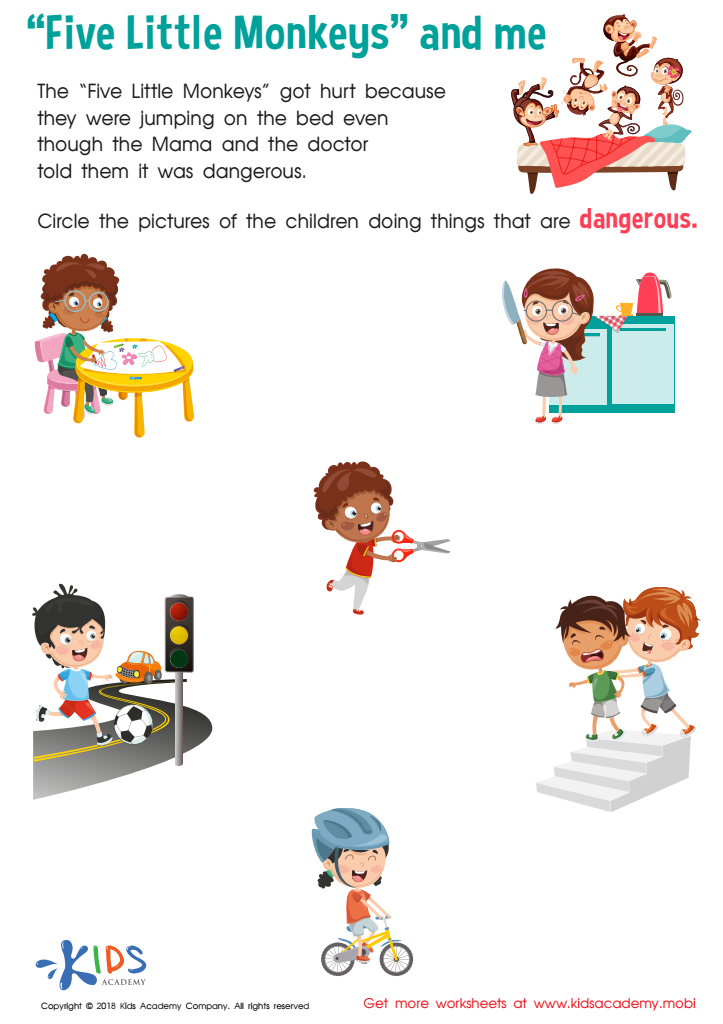
Five Little Monkeys and Me Worksheet








Sequencing skills are fundamental to reading comprehension and critical thinking, particularly for young learners aged 5-9. When children engage with easy reading fiction, they practice the ability to arrange events in the order they occur, which enhances their understanding of cause-and-effect relationships and narrative structure. Parents and teachers should care about these skills because they lay the foundation for more complex reading and comprehension tasks later in life.
Developing sequencing skills helps children recognize patterns and make predictions, skills that are crucial in both reading and daily life. As children recount stories or summarize plots, they learn to focus on essential details, improving their retention and overall communication skills. Furthermore, when students can sequence stories effectively, they gain confidence in expressing their thoughts and opinions, which fosters a love for reading.
In a broader educational context, sequencing is connected to other academic areas, such as mathematics, where recognizing sequences contributes to problem-solving abilities. Thus, prioritizing sequencing skills within early reading instruction not only bolsters literacy but nurtures holistic cognitive development, making it an essential focus for parents and educators alike.