Critical Thinking Easy Science Worksheets for Ages 5-9
4 filtered results
-
From - To
Unlock your child's potential with our "Critical Thinking Easy Science Worksheets for Ages 5-9." These engaging, fun-filled worksheets are designed to nurture analytical thinking through hands-on science activities. Suitable for young learners, they'll explore concepts like observation, pattern recognition, and problem-solving in a friendly format. Perfect for classroom or home use, our worksheets provide an easy way for children to build foundational skills while discovering the magic of science. Encourage curiosity and enhance learning with these expertly crafted resources that make science both accessible and enjoyable for early learners.
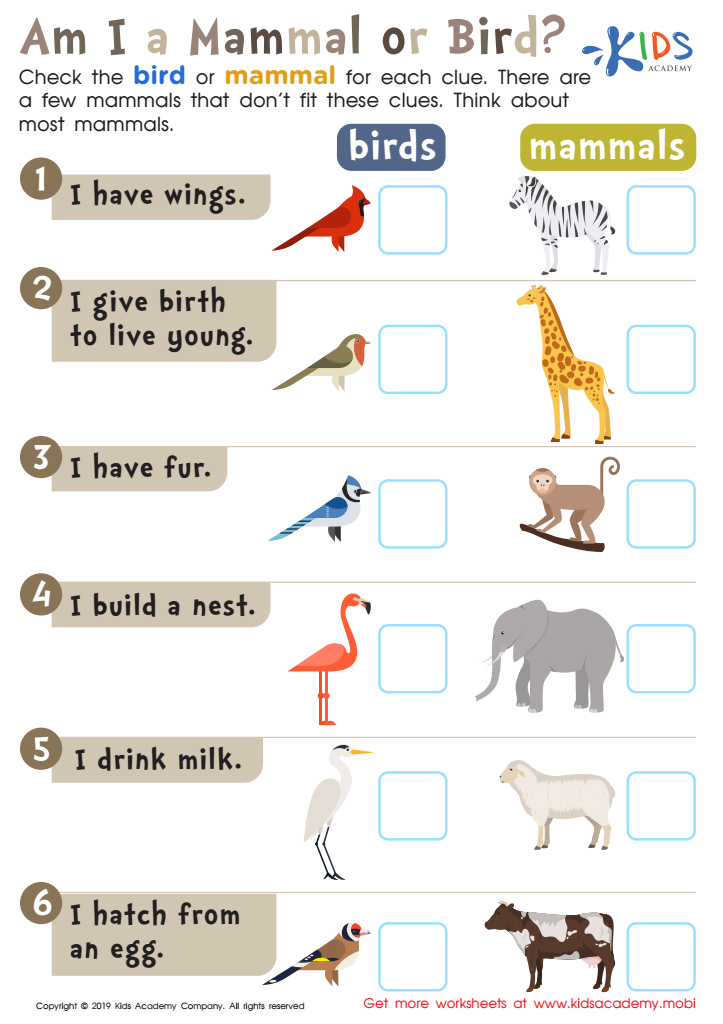
Am I a Mammal or Bird? Worksheet
 Assign to My Students
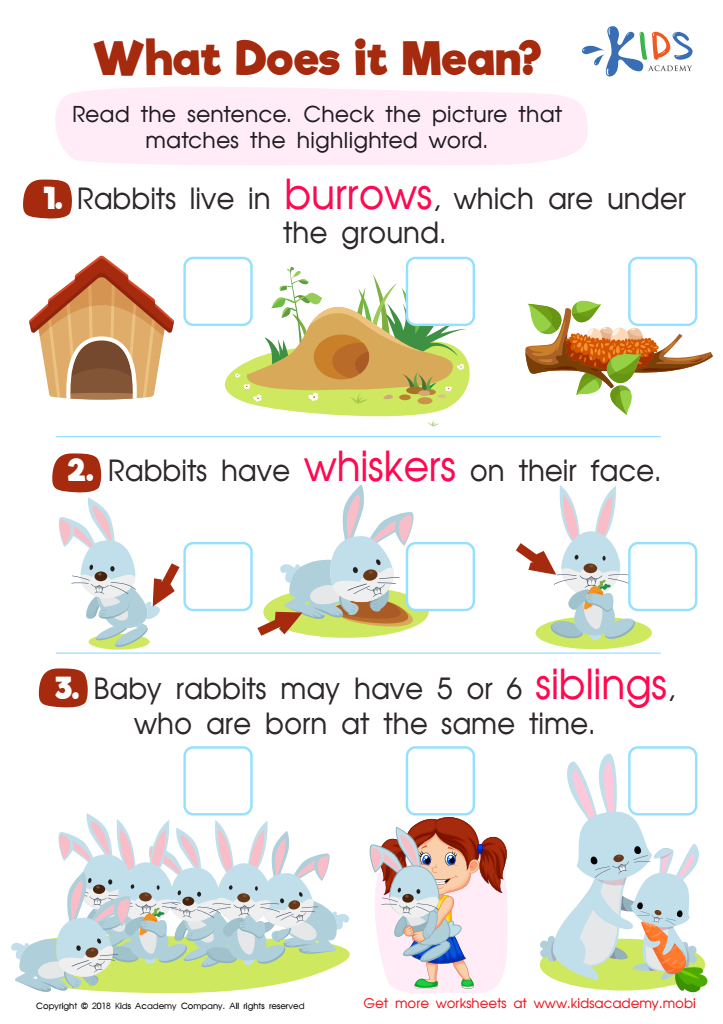
What Does It Mean? Worksheet
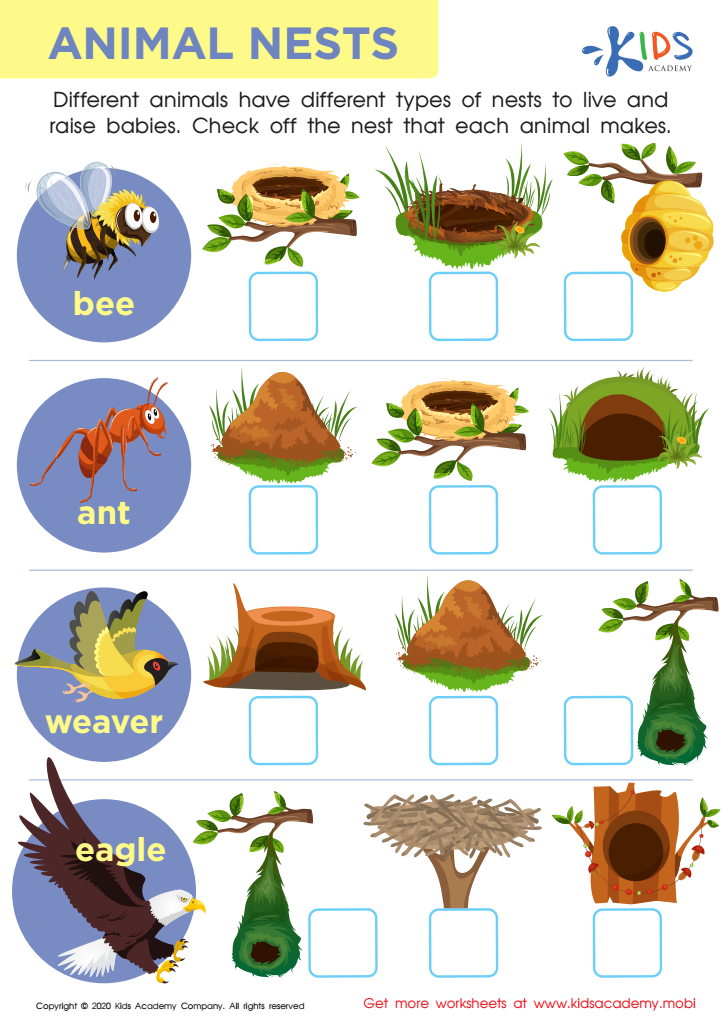
Animal Nests Worksheet
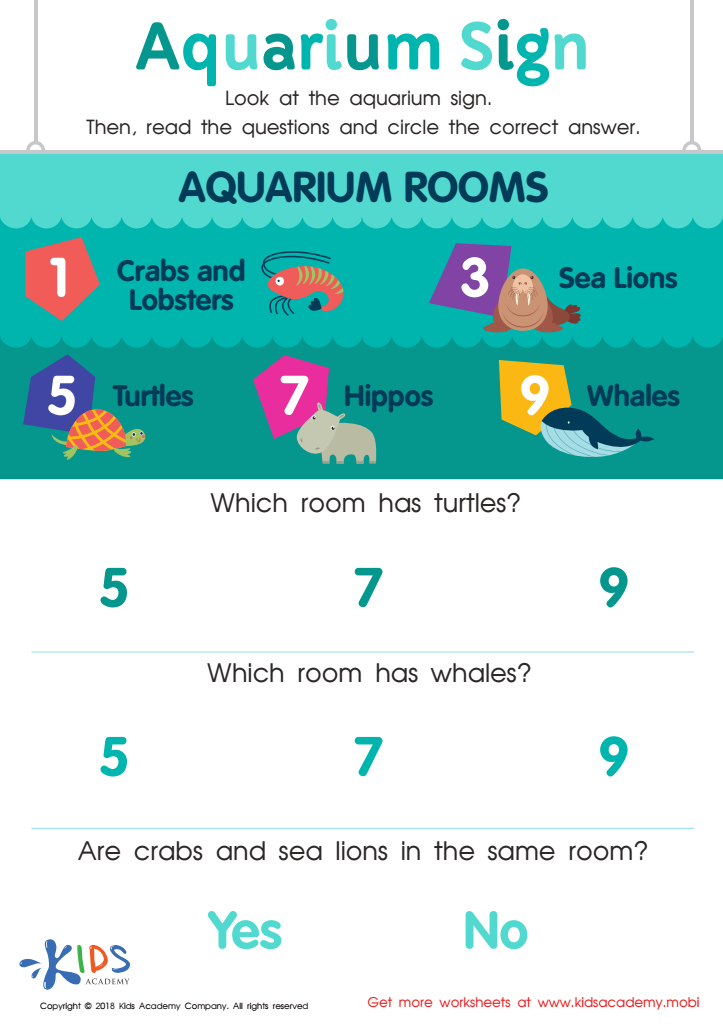
Assessment: Aquarium Sign Worksheet







Parents and teachers should prioritize Critical Thinking Easy Science for children aged 5-9 because it establishes foundational cognitive skills that are crucial for long-term learning and problem-solving. At this developmental stage, children are naturally curious, making it an ideal time to nurture a habit of inquiry and investigation. By introducing basic scientific principles and encouraging critical thinking, we help youngsters develop intellectual tools such as observation, analysis, and logical reasoning.
Engagement with easy science fostered through critical thinking also enhances children's ability to make connections between different pieces of information, bolstering their understanding of how the world works. This enriches their academic performance across various subjects, not just science. For instance, learning cause-and-effect relationships in science can improve comprehension skills in reading and story-telling.
Moreover, science activities that require critical thinking encourage patience, persistence, and meticulousness—traits beneficial for lifelong learning. Encouraging young minds to ask questions, seek evidence, and make reasoned conclusions nurtures not just academics but essential life skills such as problem-solving and decision-making.
Caring about Critical Thinking Easy Science aligns with fostering adaptable, thoughtful, and innovative individuals. These formative experiences shape a child’s approach to challenges and lay a strong foundation for advanced education and career success.