Sentence structure Easy Worksheets for 5-Year-Olds
4 filtered results
-
From - To
Welcome to our "Sentence Structure Easy Worksheets for 5-Year-Olds" page! Designed to nurture early literacy skills, these engaging worksheets are perfect for young learners just starting to explore the world of sentences. Through fun and interactive exercises, children will build a strong foundation in understanding basic sentence structure, including subject, verb, and object placement. Each worksheet encourages creativity and critical thinking while enhancing vocabulary and grammar skills. Tailored specifically for 5-year-olds, these activities make learning enjoyable and effective. Browse our collection today to help your little ones express themselves with confidence and clarity!
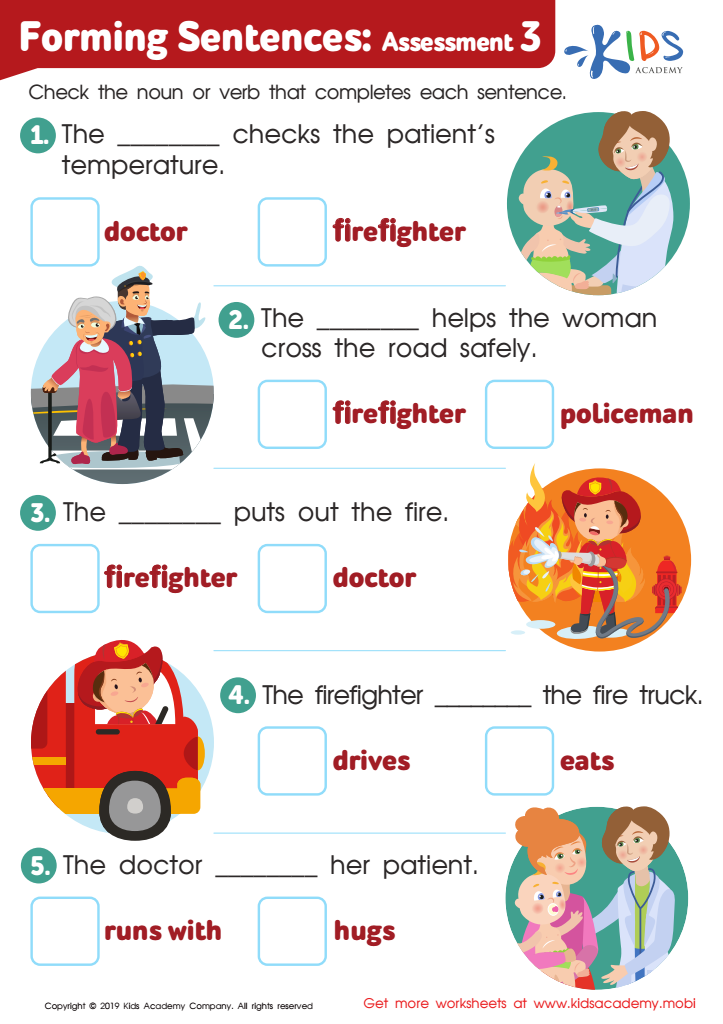
Forming Sentences: Assessment 3 Worksheet
 Assign to My Students
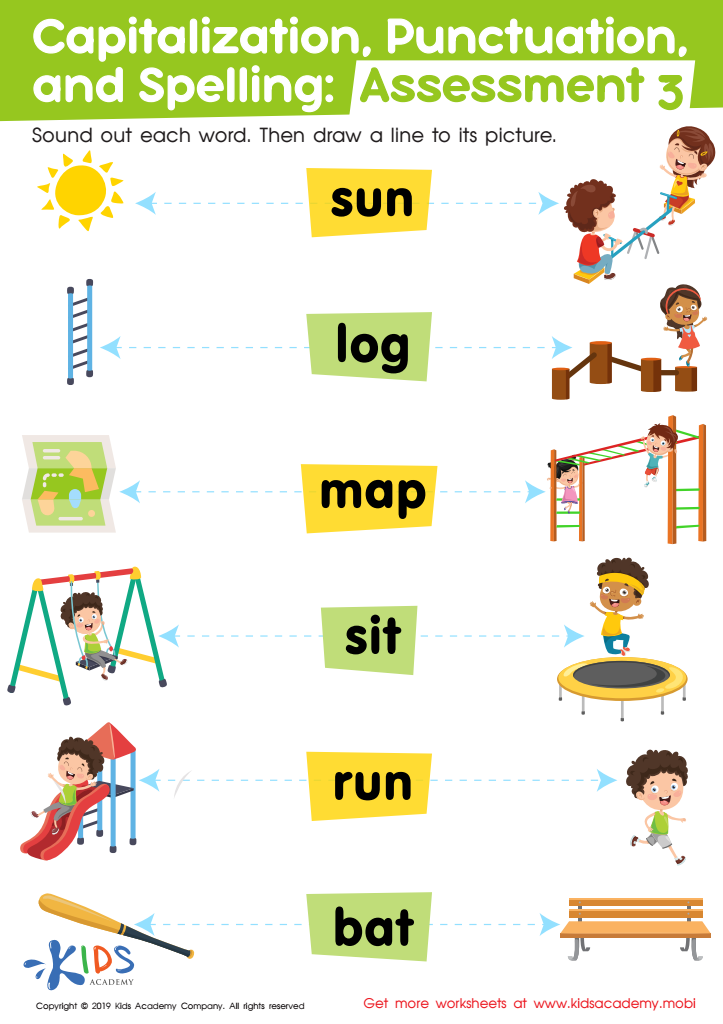
Capitalization. Punctuation. Spelling. Assessment 3 Worksheet
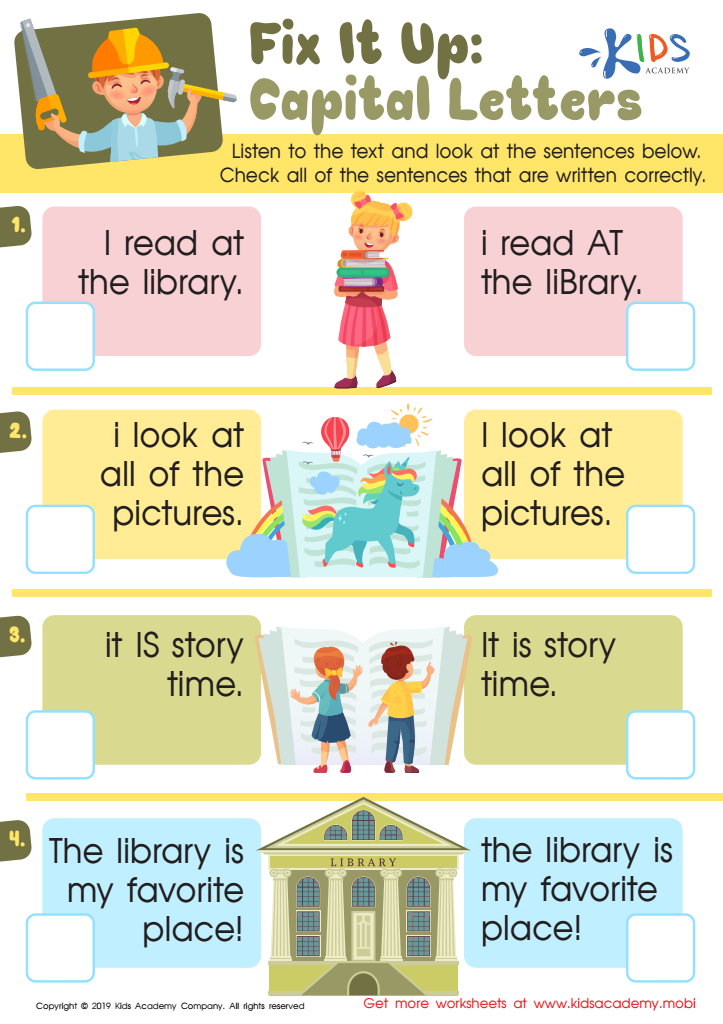
Fix Capital Letters Worksheet

How to Capitalize Worksheet







Understanding sentence structure is crucial for 5-year-olds as it lays the foundation for effective communication and literacy skills. At this age, children are exploring language and beginning to express their thoughts, feelings, and ideas. When parents and teachers focus on sentence structure, they help children learn how to form sentences correctly, which enhances their ability to convey messages clearly.
Good sentence structure includes understanding subject-verb agreement and the importance of punctuation. This cultivates not only reading and writing skills but also boosts vocabulary development as children learn new words in different contexts. By introducing simple sentence structures, children gain confidence in their communication abilities, allowing them to participate more actively in conversations.
Additionally, mastering sentence structure promotes critical thinking. Children learn how to organize their thoughts logically, which is fundamental for problem-solving in both academic settings and everyday life. Engaging with sentence structure through stories, drawing, and play makes learning enjoyable and interactive.
Ultimately, supporting young children in understanding sentence structure empowers them to express themselves better, which contributes positively to their relationships and academic success. Parents and teachers play a key role in nurturing these essential skills, ensuring a solid foundation for future learning.








