Story sequencing Easy Worksheets for 5-Year-Olds
3 filtered results
-
From - To
Unlock your young learner's potential with our Story Sequencing Easy Worksheets for 5-Year-Olds! Designed to foster critical thinking and narrative skills, these engaging worksheets guide children through simple, three-step story sequences. Ideal for early grade students, our colorful and fun resources help kids gain confidence in understanding the beginning, middle, and end of a story.
Perfect for both classroom and home settings, these sequencing activities support developmental milestones and create a strong foundation for reading comprehension. Give your child a head start in literacy with our expertly crafted worksheets!
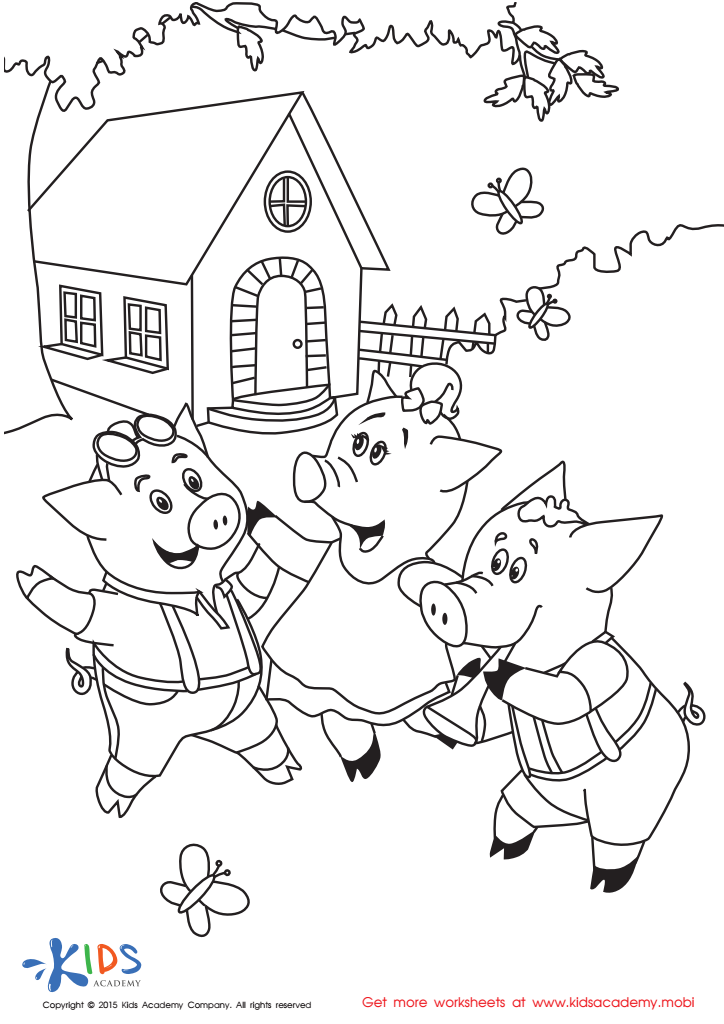
Folktales Printable PDF Worksheet: The 3 Little Pigs
 Assign to My Students
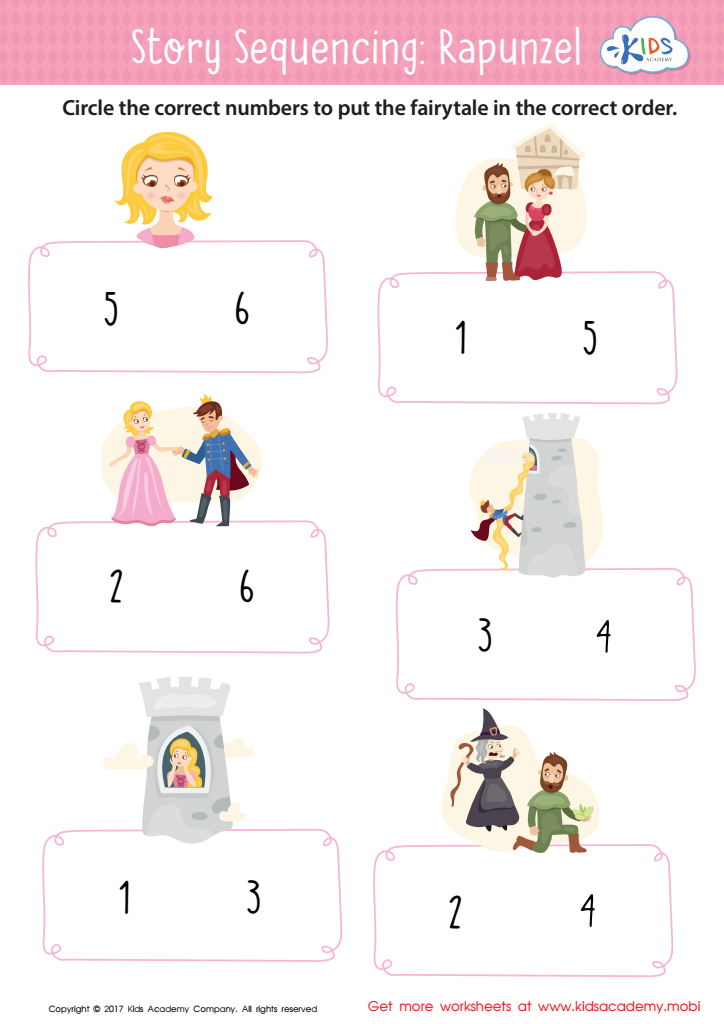
Rapunzel Story Sequencing Worksheet
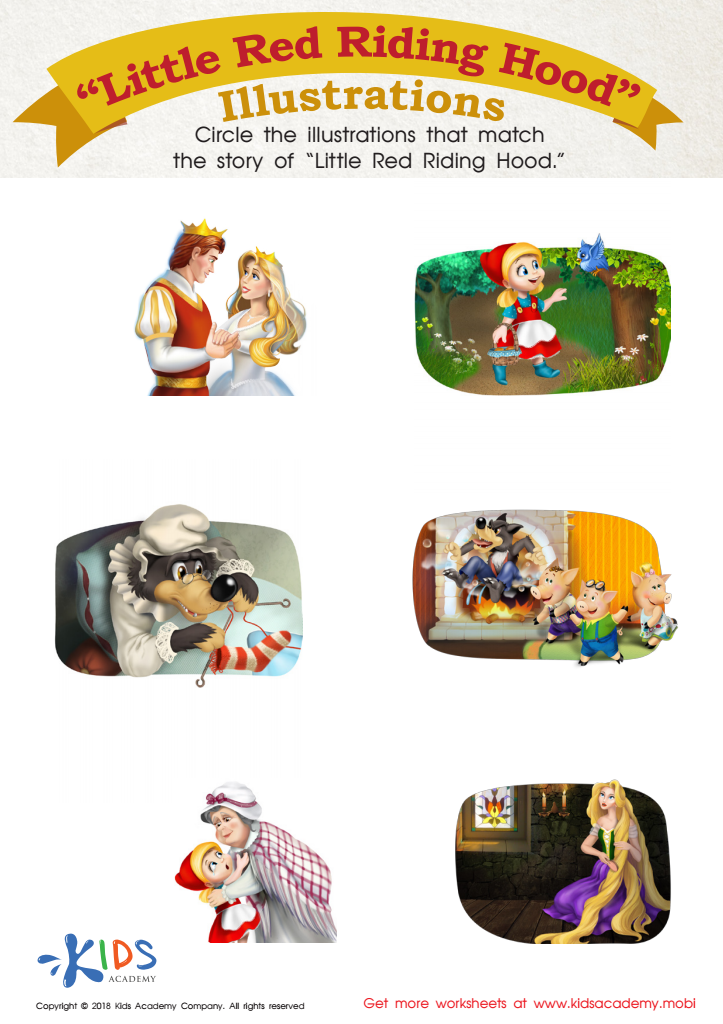
Little Red Riding Hood: Illustrations Worksheet






Teaching story sequencing to 5-year-olds is fundamental for their cognitive and linguistic development. Story sequencing, which involves arranging events or actions in the correct order, helps young children understand the concept of chronology and causality. This skill is crucial because it lays the foundation for their future comprehension and critical thinking abilities.
From a linguistic perspective, sequencing enhances vocabulary acquisition and grammatical development. By narrating and arranging stories, children learn new words and complex sentence structures. This practice encourages expressive language, helping them to articulate thoughts clearly.
Sequencing also fosters memory and attention span. As children recall and organize events, they practice retaining information and focusing on details. These skills are essential not only academically but also in everyday life decision-making processes.
Moreover, understanding story sequencing helps with social-emotional growth. When children grasp the flow of a story, they better understand characters' emotions and motivations. This empathy and insight into others' perspectives are invaluable for social interactions and resolving conflicts.
In summary, emphasizing story sequencing in early education equips children with essential cognitive, linguistic, and social tools. Whether parents or teachers, supporting this aspect of learning fosters well-rounded development, paving the way for academic success and a clearer understanding of the world.








