Fine Motor Skills Easy Numbers 11–20 Worksheets for 5-Year-Olds
4 filtered results
-
From - To
Enhance your child's fine motor skills with our engaging Fine Motor Skills Easy Numbers 11–20 Worksheets designed specifically for 5-year-olds. These worksheets provide fun and interactive activities that teach number recognition and counting while improving hand-eye coordination and dexterity. Your little learner will enjoy tracing, coloring, and practicing writing numbers 11 to 20, making learning both effective and enjoyable. Each worksheet is carefully crafted to encourage independent learning and reinforce essential foundational skills. Perfect for homeschooling or classroom use, these printable resources help prepare your child for future math success while fostering creativity and confidence. Start their learning journey today!
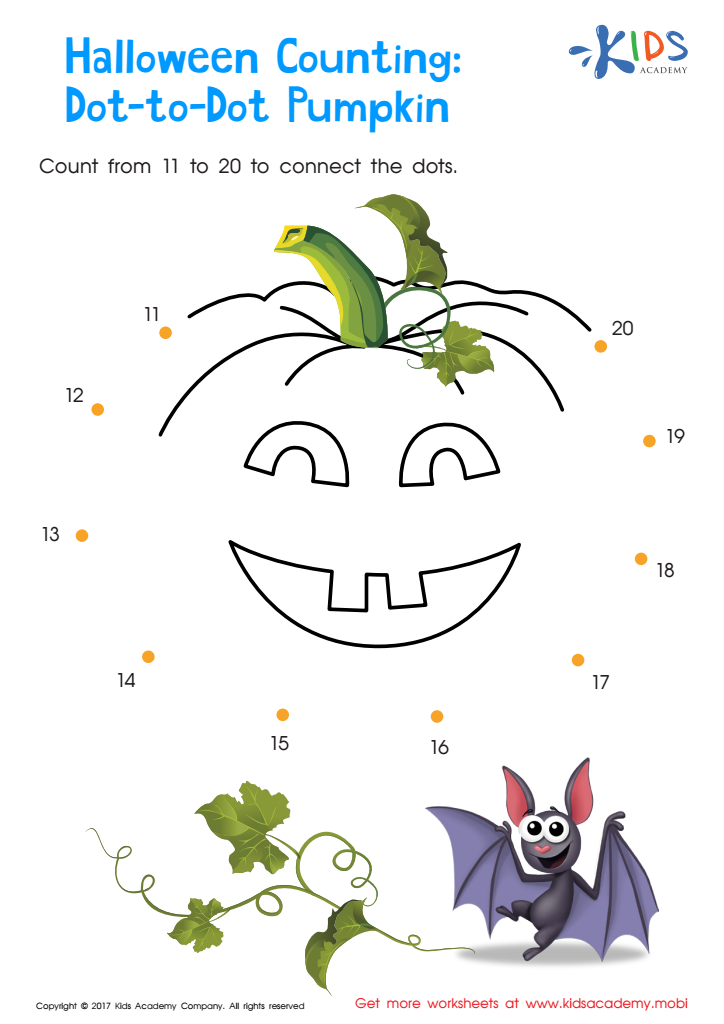
Ordering 11–20: Halloween Counting Worksheet
 Assign to My Students
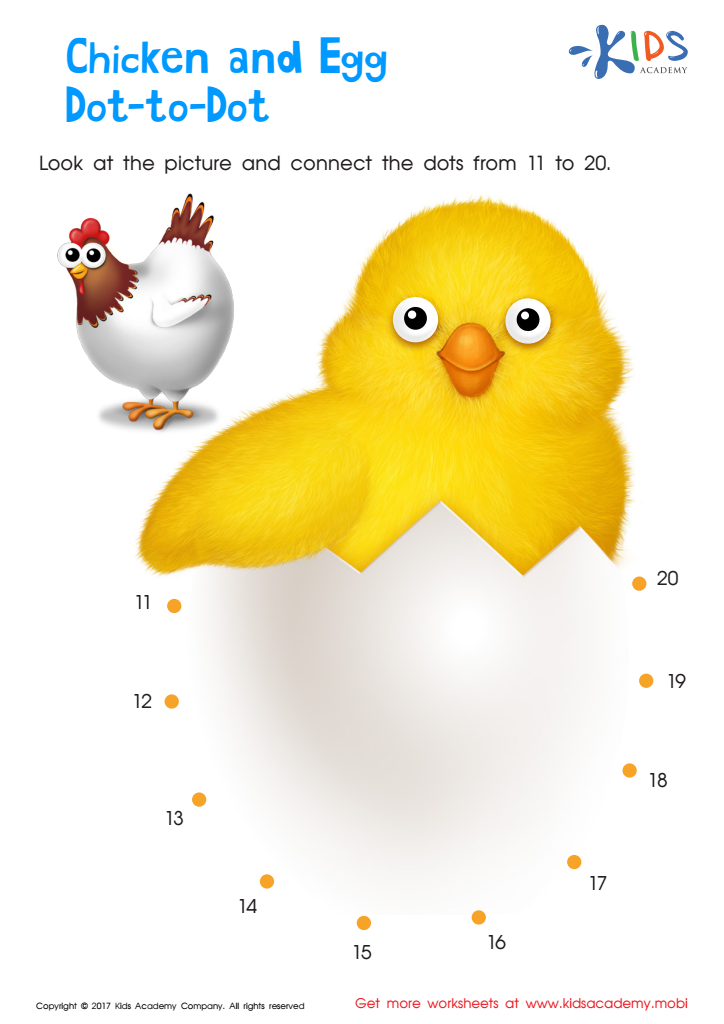
Ordering 11–20: Chicken & Egg Dot–to–dot Worksheet
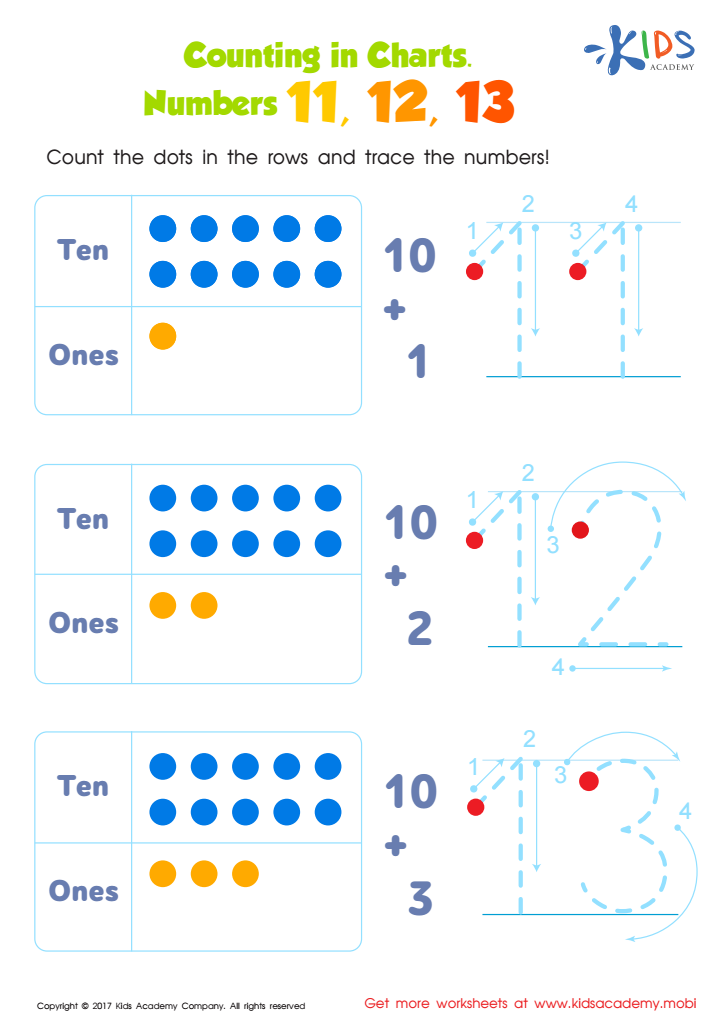
Number Tracing Worksheet For Kindergarten
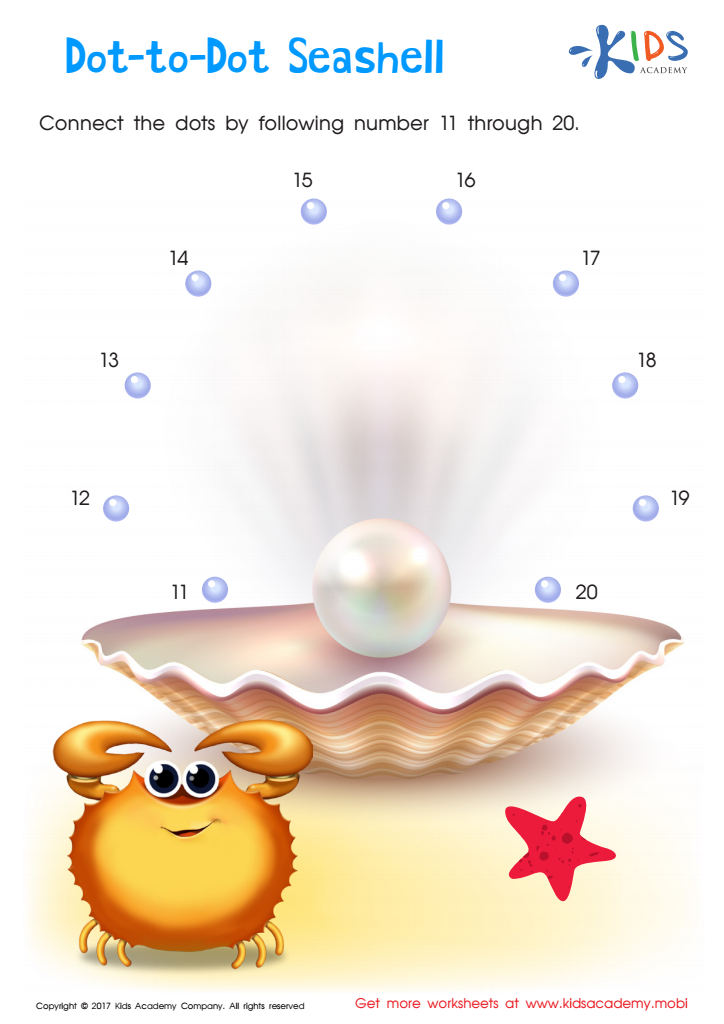
Ordering 11–20: Dot–to–dot Seashell Printable



Fine motor skills are crucial for young children, especially those aged 5, as they form the foundation for various academic and daily activities. When it comes to numbers 11-20, developing fine motor skills can greatly enhance a child's ability to work with these numbers in practical ways, such as writing, counting, and manipulating small objects.
Firstly, fine motor skills help children gain control over their hand and finger movements, which are essential when learning to write numerals clearly and legibly. This ability not only boosts their confidence in writing but also prepares them for more complex mathematical tasks in the future.
Additionally, engaging with Numbers 11-20 through activities that strengthen fine motor skills—like cutting, coloring, or using playdough to shape numbers—makes learning more interactive and enjoyable. These activities encourage creativity while reinforcing number recognition and counting.
Moreover, developing fine motor skills at this age supports cognitive growth. Children learn to think critically and solve problems as they manipulate objects and engage with numbers hands-on. Parents and teachers should therefore prioritize activities that promote fine motor skills, ensuring that children not only learn numbers but also develop the essential skills they need for school readiness and beyond.