Alphabet Recognition Easy ABC Letters Worksheets for Ages 6-7
6 filtered results
-
From - To
Welcome to our "Alphabet Recognition Easy ABC Letters Worksheets for Ages 6-7"! Designed for young learners, these engaging worksheets help children master their uppercase and lowercase letters through fun activities. With colorful illustrations and interactive exercises, kids will enjoy tracing, writing, and identifying letters in a playful way. Our worksheets support skill-building in letter recognition and promote early literacy development, making learning enjoyable and effective. Whether you’re a teacher looking for classroom resources or a parent seeking at-home activities, these worksheets are perfect for nurturing your child's confidence in reading and writing. Start the alphabet adventure today!
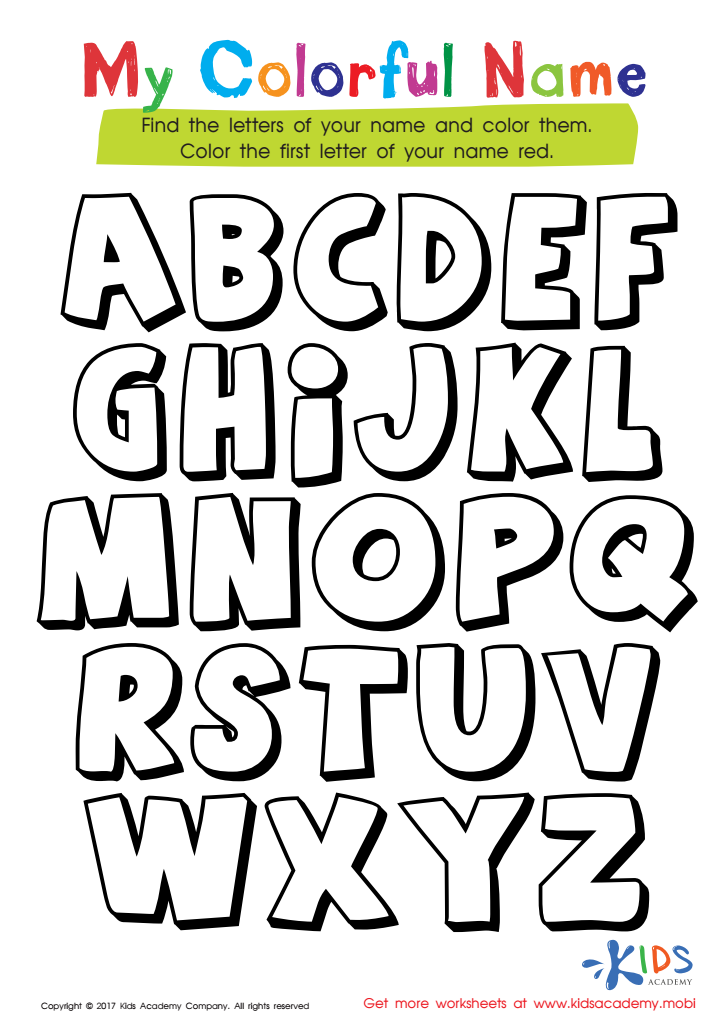
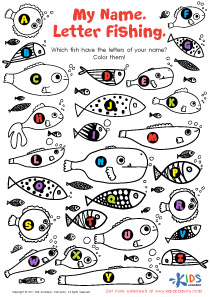
My Colorful Name Worksheet
 Assign to My Students






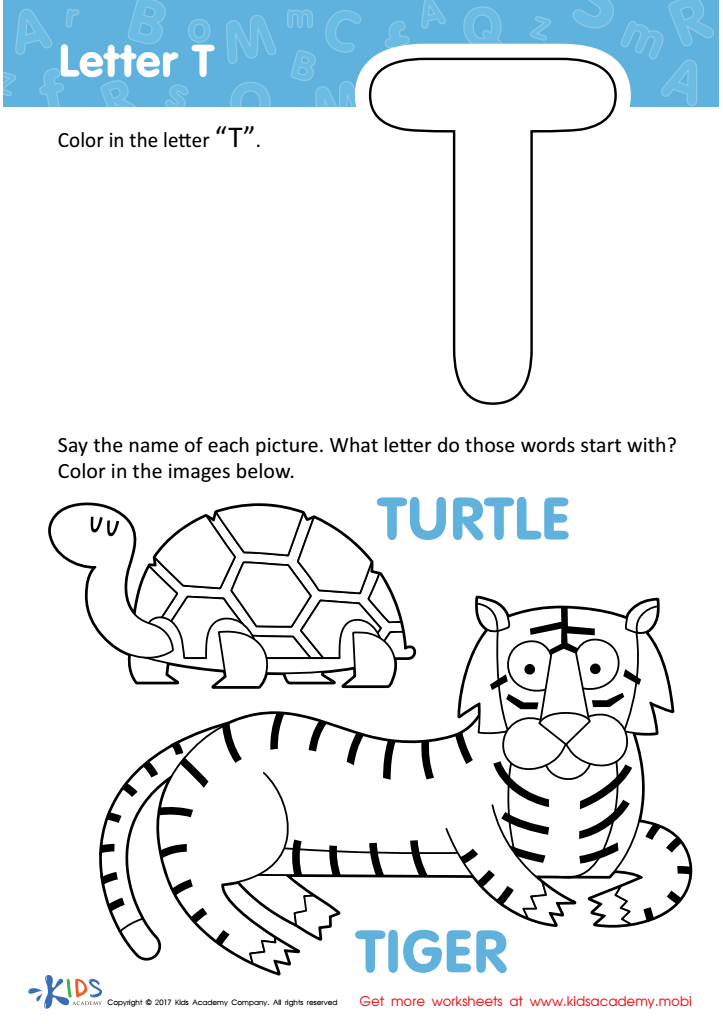
Letter T Coloring Sheet
Assign to My Students
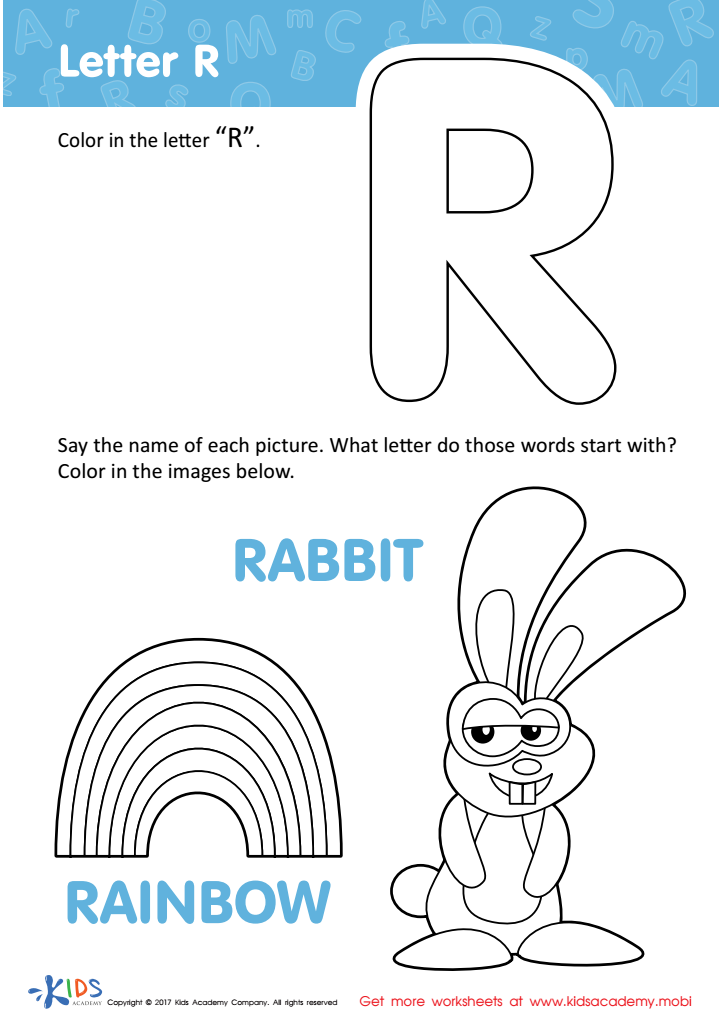
Letter R Coloring Sheet
Assign to My Students
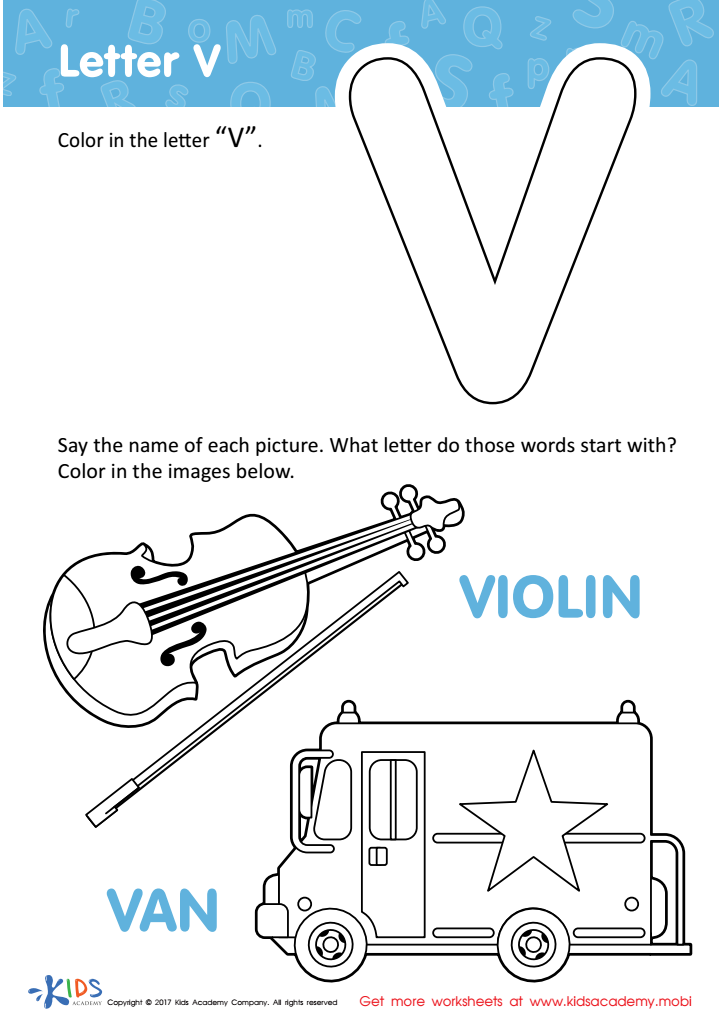
Letter V Coloring Sheet
Assign to My Students
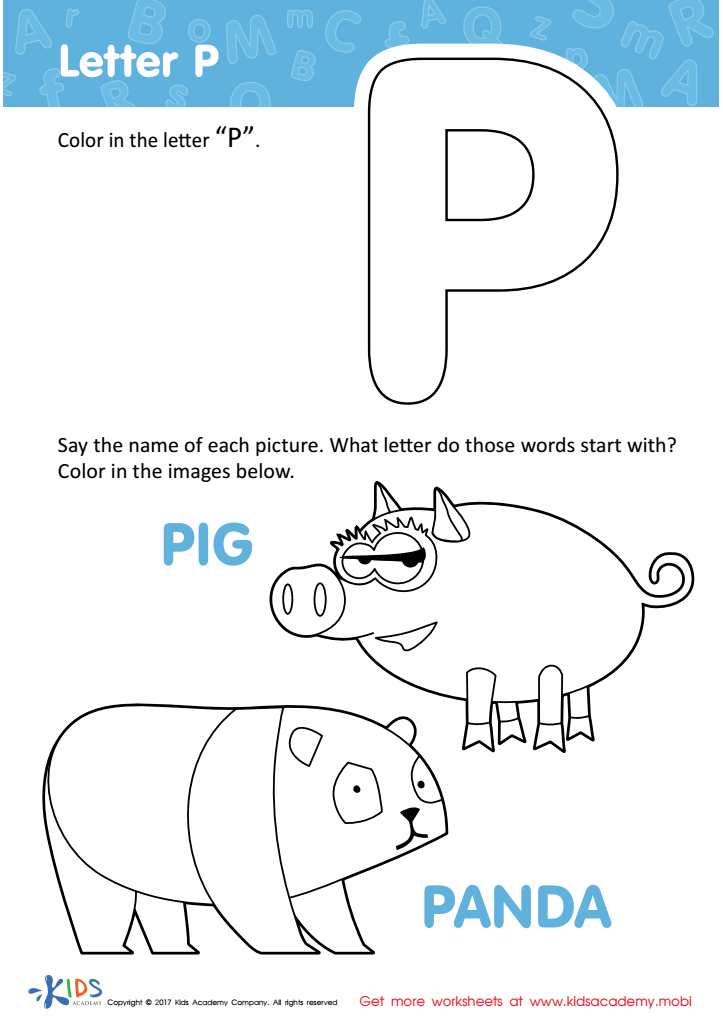
Letter P Coloring Sheet
Assign to My Students
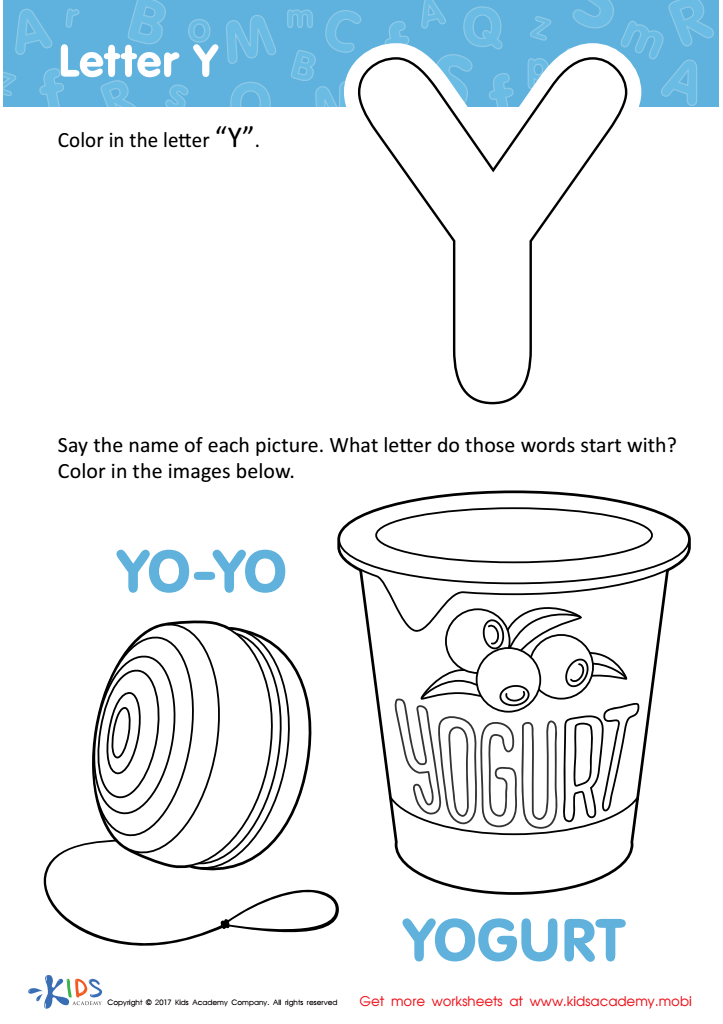
Letter Y Coloring Sheet
Assign to My Students





Alphabet recognition is a foundational skill for young learners, particularly those aged 6-7. Mastering the alphabet is crucial for children's literacy development, as it serves as the building block for reading and writing. At this age, children begin to connect letters with sounds, which enhances their phonics skills and boosts their reading fluency.
Parents and teachers should prioritize alphabet recognition activities because they promote cognitive development, enhance language skills, and increase a child’s confidence in using written language. By engaging in fun and interactive activities that focus on "Easy ABC Letters," children find learning enjoyable, increasing their motivation to read and write.
Additionally, recognizing letters allows children to decode simple words and sentences, laying the groundwork for more advanced literacy tasks. When children struggle with letter recognition, they may face challenges in their overall academic performance, leading to frustration and diminished enthusiasm for learning.
Furthermore, early mastery of the alphabet encourages better communication skills and prepares children for future learning challenges. Thus, by nurturing alphabet recognition, parents and teachers can support a child’s literacy journey and instill a lifelong love for reading and learning. Prioritizing this skill is an investment in a child’s future success.