Filters

7 filtered results

Clear all filters
Favorites
With answer key
Interactive

7 filtered results

Difficulty Level

Grade


Boost your child's vocabulary with our engaging Easy Phonics Worksheets designed specifically for ages 6-7. Our printable resources help young learners develop essential phonics skills while enhancing their understanding of vocabulary. Each worksheet features fun activities that make learning enjoyable and interactive, allowing children to explore letters, sounds, and words in a playful manner. These educational tools support early reading and comprehension skills, ensuring a solid foundation in literacy. Perfect for home or classroom use, our Easy Phonics Worksheets encourage creativity and a love for learning. Start your child's vocabulary journey today with these effective and enjoyable worksheets!

Check out this FREE Trial Lesson on Phonics for age 6-7!

The Letter G Sound

Favorites
With answer key
Interactive
  • 6-7
  • Vocabulary enhancement
  • Phonics
  • Easy
Words with sound g Reading Worksheet

Words with sound g Reading Worksheet

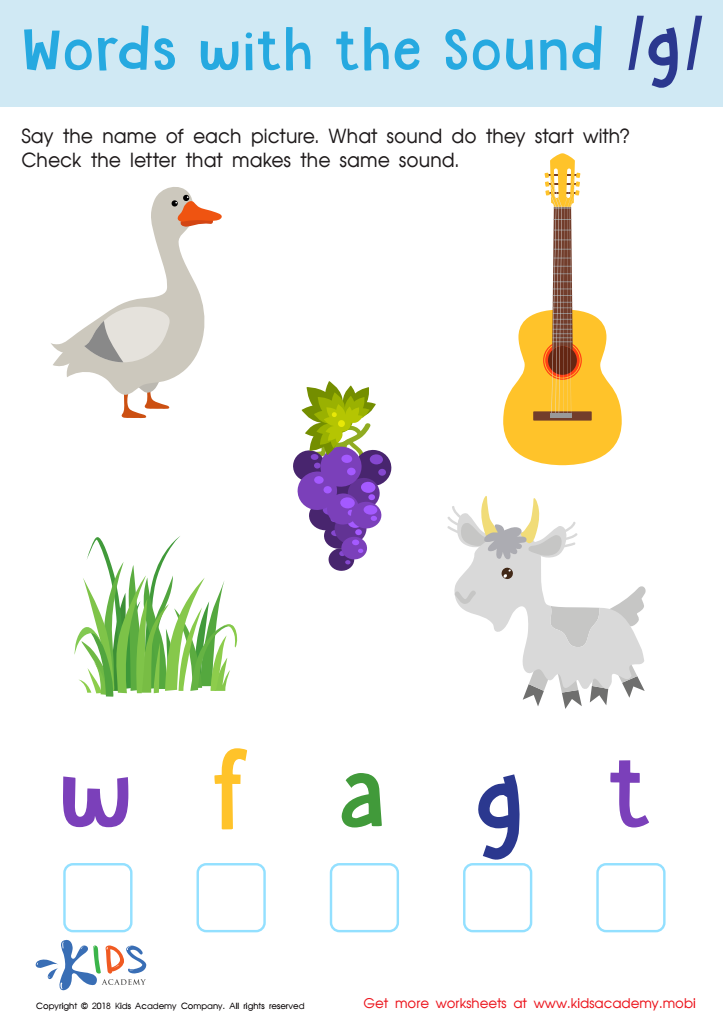
Help your child learn the soft "g" sound with this phonics worksheet. Ask them to name each picture, then identify the letter sound it begins with. If it's "g", they can check the box. Have them repeat each word, listening for the soft "g" sound before moving on to the next page.
Words with sound g Reading Worksheet
Worksheet
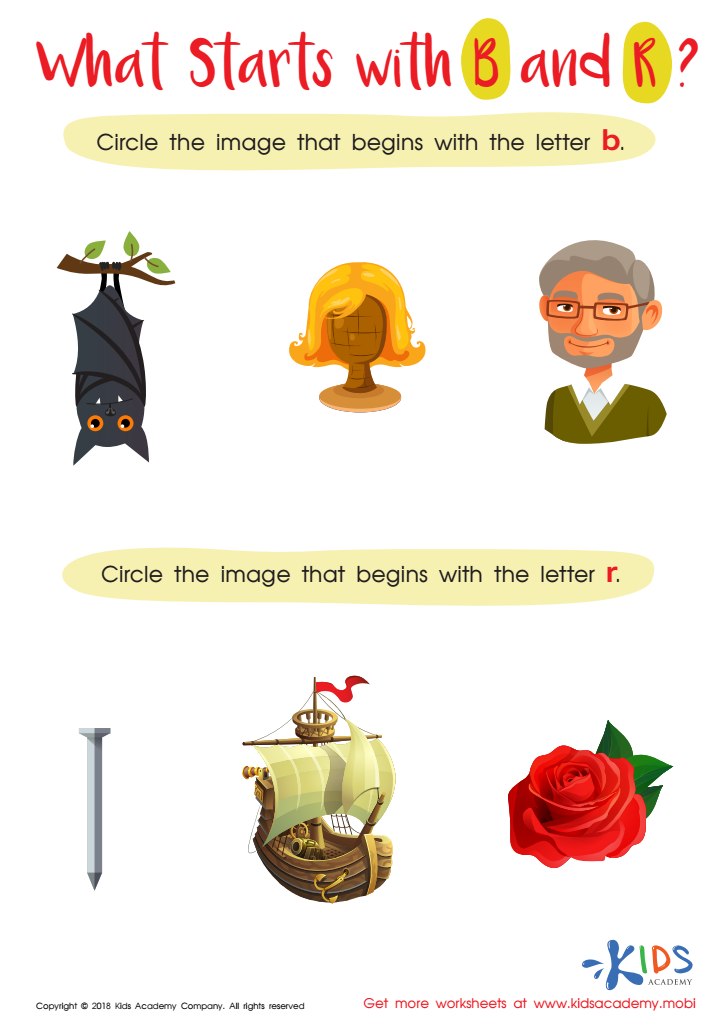
What Starts with B and R? Worksheet

What Starts with B and R? Worksheet

Download this worksheet to help young readers practice visual and motor skills! They'll enjoy matching pictures with "B" and "R" letters while tracing the images. Bright and colorful, this engaging activity will help kids differentiate between words and have fun doing it.
What Starts with B and R? Worksheet
Worksheet
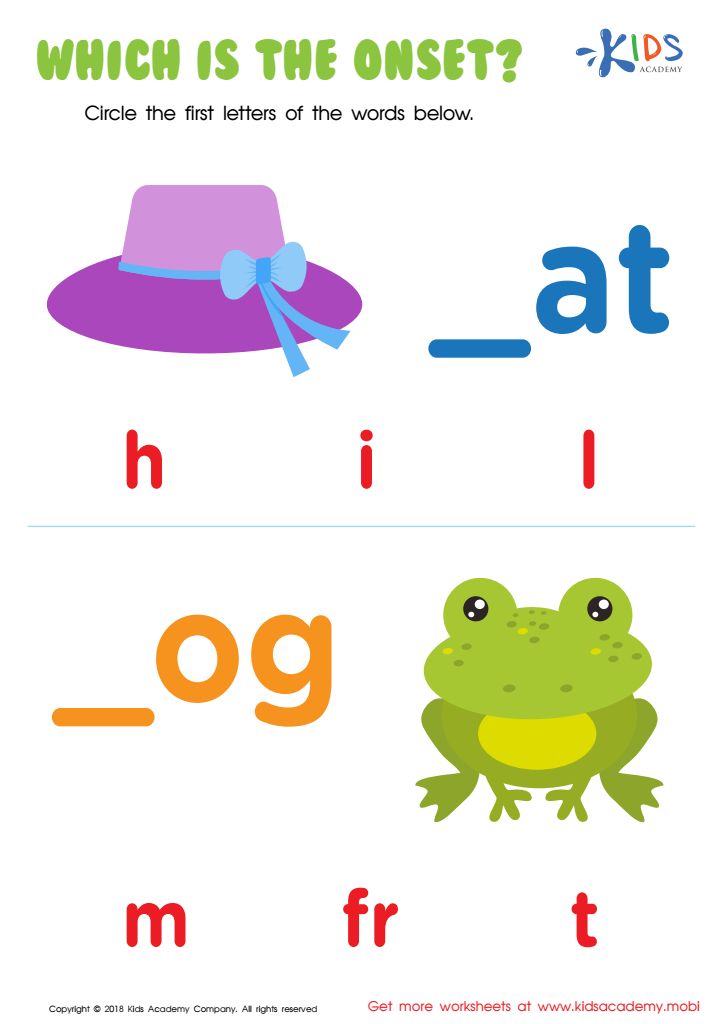
Which Is the Onset? Worksheet

Which Is the Onset? Worksheet

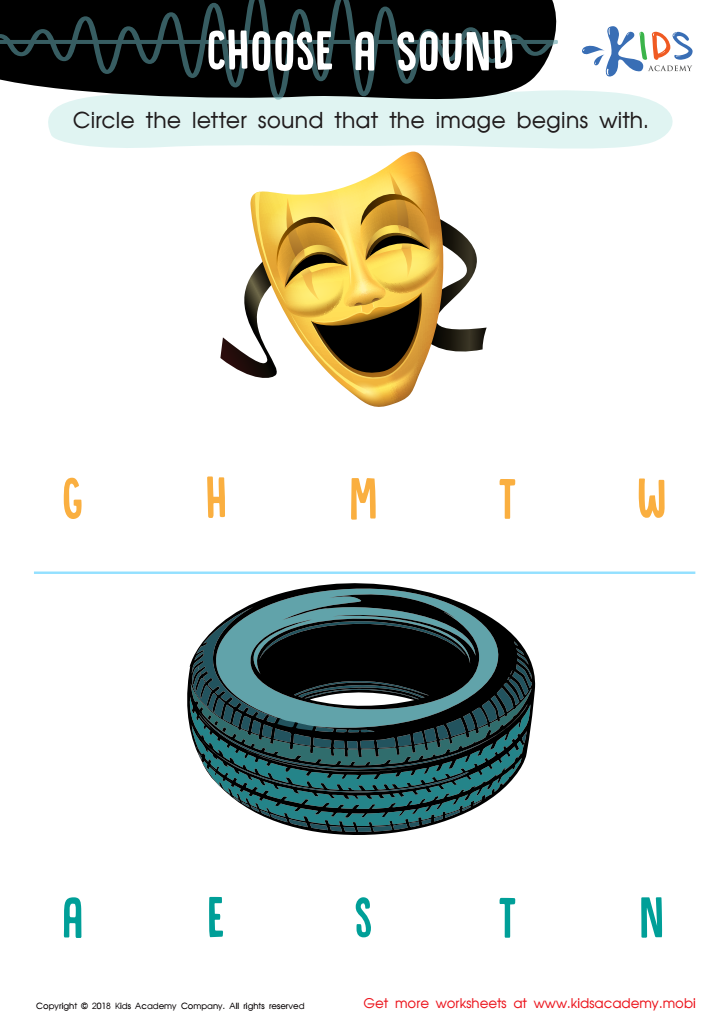
Help your children learn to spell with this bright, fun worksheet. Struggling with spelling small words can make reading and writing sentences difficult. Encourage them to look at the pictures, say the names aloud and circle the correct first letter from the options. They will soon overcome any reluctance to spell.
Which Is the Onset? Worksheet
Worksheet
Choose a Sound Worksheet

Choose a Sound Worksheet

Help your child hone pre-reading skills with this colorful worksheet! They'll practice tracing letter sounds, develop phoneme awareness, and gain confidence. Plus, it's a fun way to work on their fine motor skills.
Choose a Sound Worksheet
Worksheet
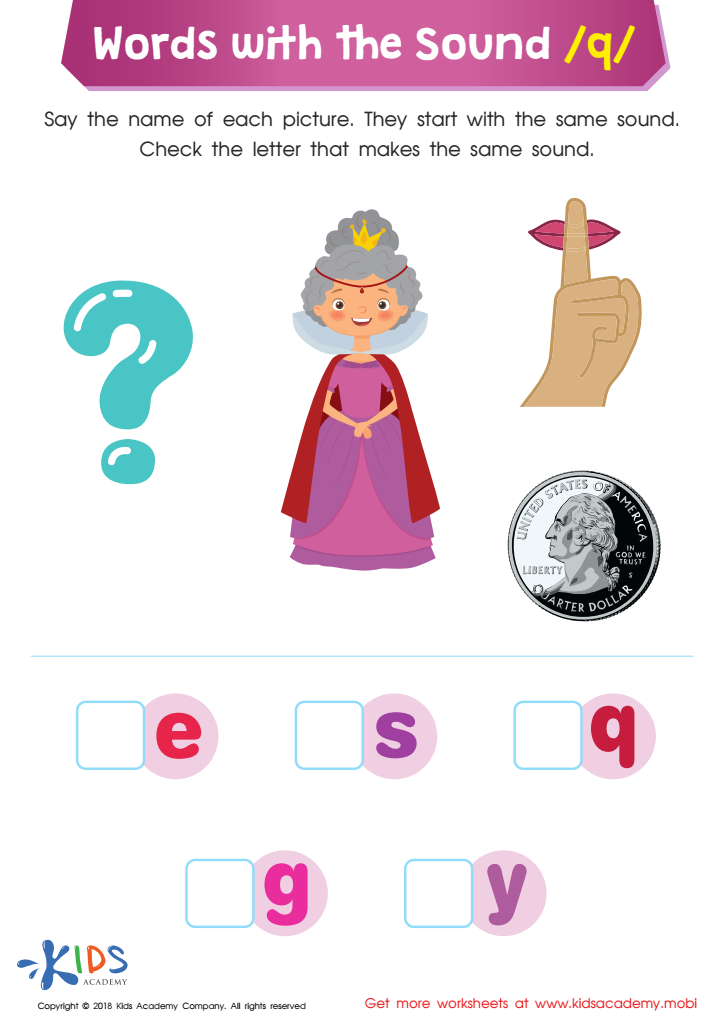
Words with Sound Q Reading Worksheet

Words with Sound Q Reading Worksheet

Beginning readers will love this free PDF worksheet! Bright colors and familiar pictures make it fun, as they say the name of each image and work on fine motor skills. Letters “q” is featured among others, helping to recognize and isolate its sound, which is often seen with a “u” behind it.
Words with Sound Q Reading Worksheet
Worksheet
Finish the Rime Worksheet

Finish the Rime Worksheet

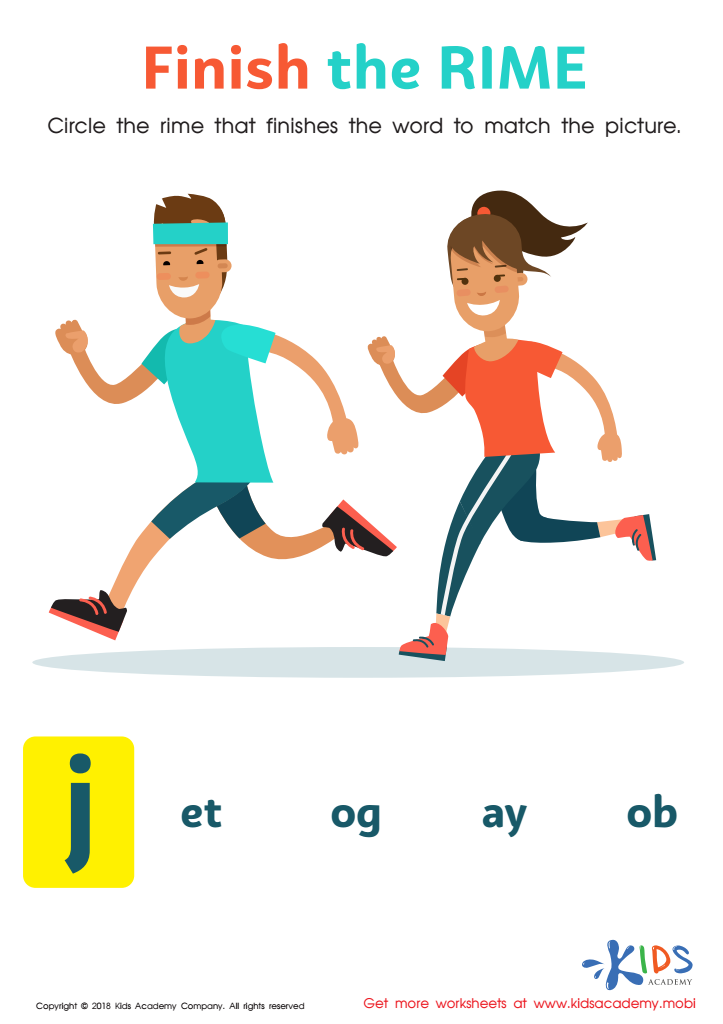
Rimes help kids learn word families and spelling strategies. This PDF worksheet gives new readers practice with initial consonants, pictures, colors and motor skills. It's fun and cheery, and a great way to boost phonological awareness and rime identification.
Finish the Rime Worksheet
Worksheet
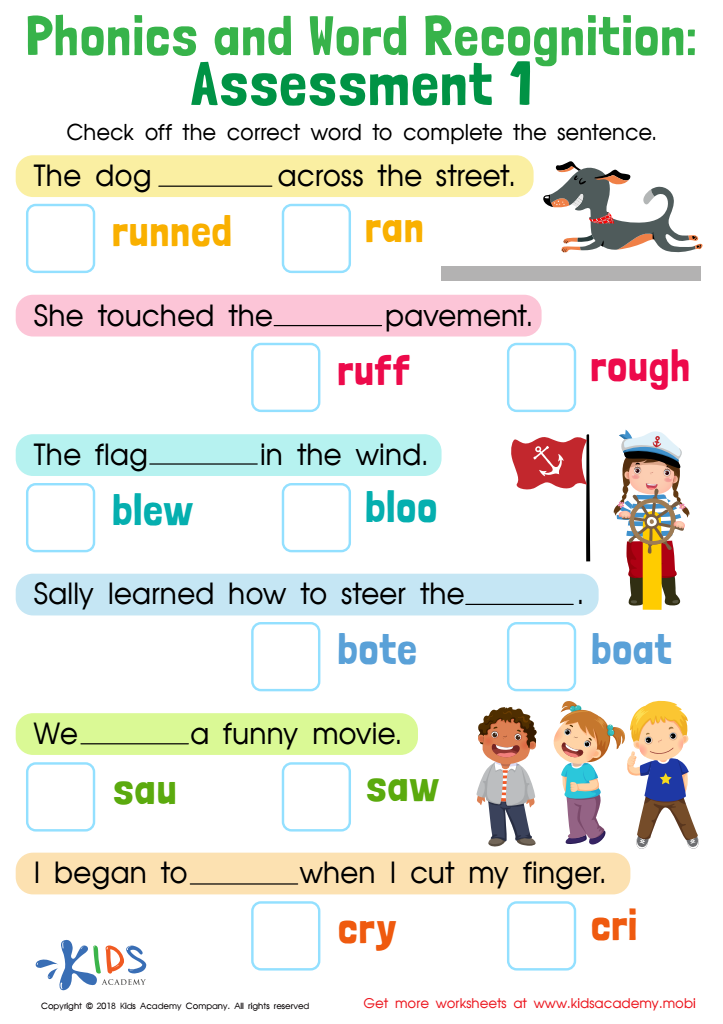
Phonics and Word Recognition: Assessment 1 Worksheet


Phonics and Word Recognition: Assessment 1 Worksheet

This worksheet tests phonetics and word recognition. Students should be familiar with past tense verbs. Read incomplete sentences, then read multiple options and help students select the correct one.
Phonics and Word Recognition: Assessment 1 Worksheet

Worksheet


Vocabulary enhancement through easy phonics is crucial for children aged 6-7 as it lays the foundational skills for reading, writing, and overall communication. At this critical stage of language development, children are beginning to unlock the basics of phonics, enabling them to decode words and develop a love for reading. A strong vocabulary aids in comprehension, allowing children to understand and enjoy what they read, which is essential for academic success.

Furthermore, rich vocabulary and phonetic understanding contribute to improved expressive language skills, allowing children to articulate their thoughts clearly. When parents and teachers emphasize easy phonics, they provide children with tools to pronounce and connect words, fostering confidence in their communication abilities.

In this digital age, where exposure to diverse information is ubiquitous, a well-rounded vocabulary can empower children to engage with varied topics and converse effectively. It also enhances their writing abilities, equipping them to express themselves creatively and succinctly. Supporting vocabulary enhancement through phonics cultivates intrinsic motivation for learning, building a solid foundation for successful lifelong learning. Therefore, it is essential for parents and teachers to nurture these skills in young learners, creating enthusiastic and capable readers and communicators.