Unlock your child's potential with our Critical Thinking Skills Easy Worksheets for ages 6-7. Designed by educational experts, these engaging worksheets help young learners develop essential critical thinking and problem-solving skills. Through fun, age-appropriate activities, children will enhance their abilities to analyze, reason, and make informed decisions. Perfect for use at home or in the classroom, our worksheets make learning enjoyable and effective. Empower your child with the tools they need to excel in school and beyond. Visit us to explore our wide variety of thoughtfully crafted tools aimed at fostering a love for learning and critical inquiry.

Check out this FREE "Critical thinking skills" Trial Lesson for age 6-7!

Traditions and Celebrations

Favorites
With answer key
Interactive
  • 6-7
  • Critical thinking skills
  • Easy
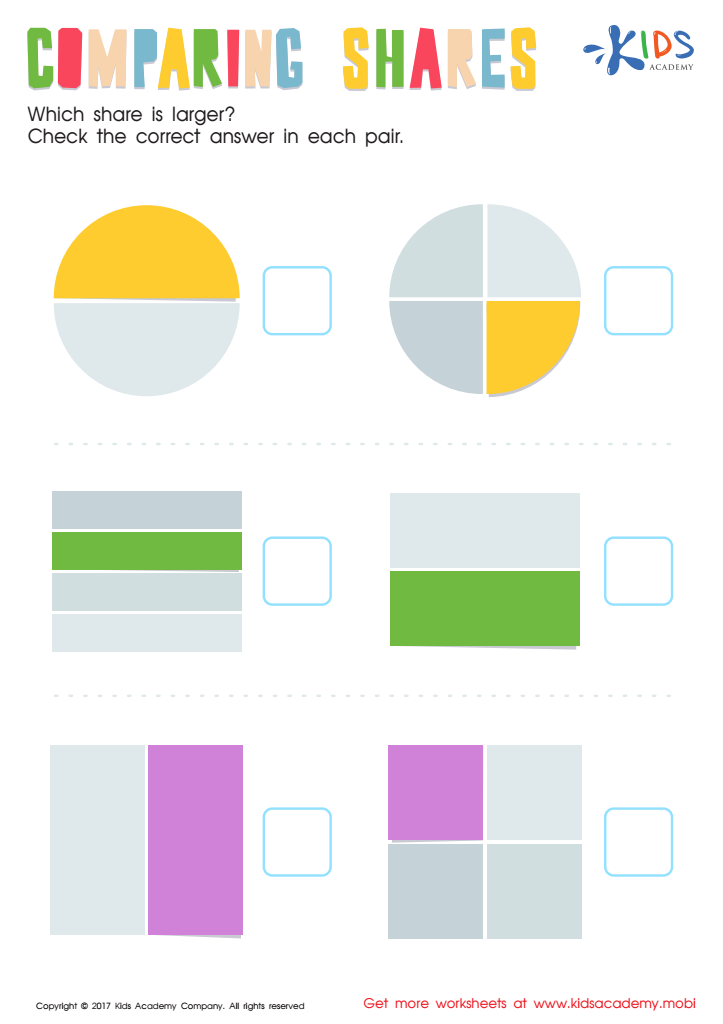
Comparing Shares Worksheet

Comparing Shares Worksheet

Can your students identify and draw shapes correctly? If so, this exercise may be too easy. For those who are still learning, extra help may be needed. The worksheet requires students to select which shape is larger in each pair; circles and squares are included.
Comparing Shares Worksheet
Worksheet
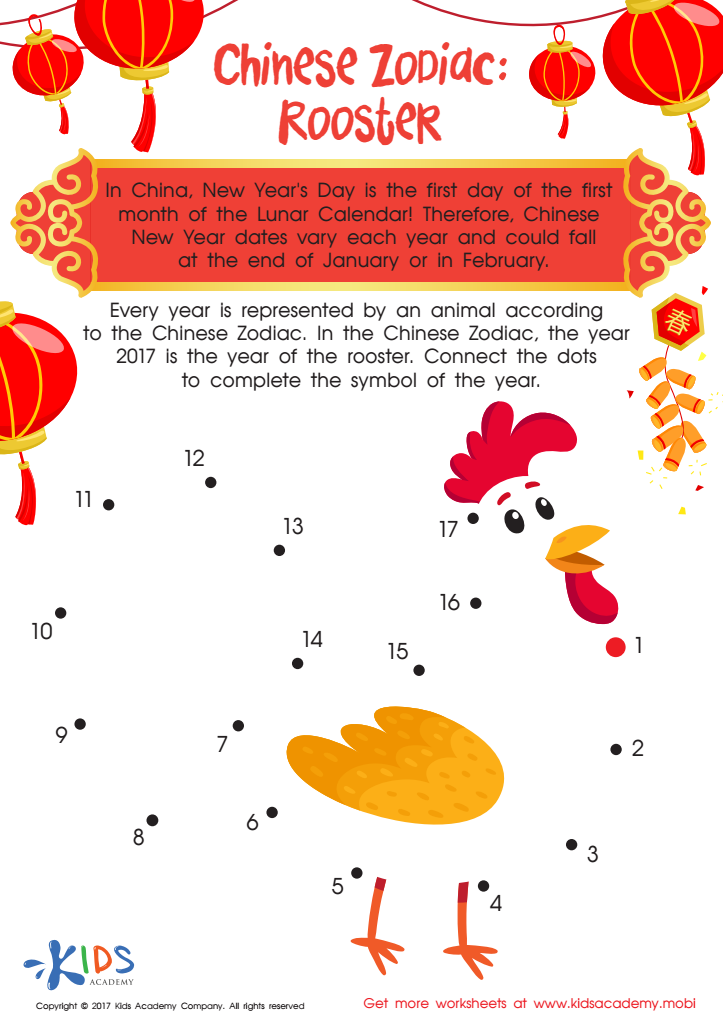
Dot to Dot Printable Worksheet: Rooster

Chinese Zodiac Printable

Connect the dots to reveal a rooster and learn more about the Year of the Rooster. Perfect for preschoolers and kids of all ages. Experience Chinese culture with this fun and interactive dot to dot printable! Connect the dots to discover a rooster, symbolizing the Year of the Rooster. Perfect for preschoolers and kids of all ages, this worksheet is a great way to explore new cultures and foster a spirit of diversity.
Chinese Zodiac Printable
Worksheet
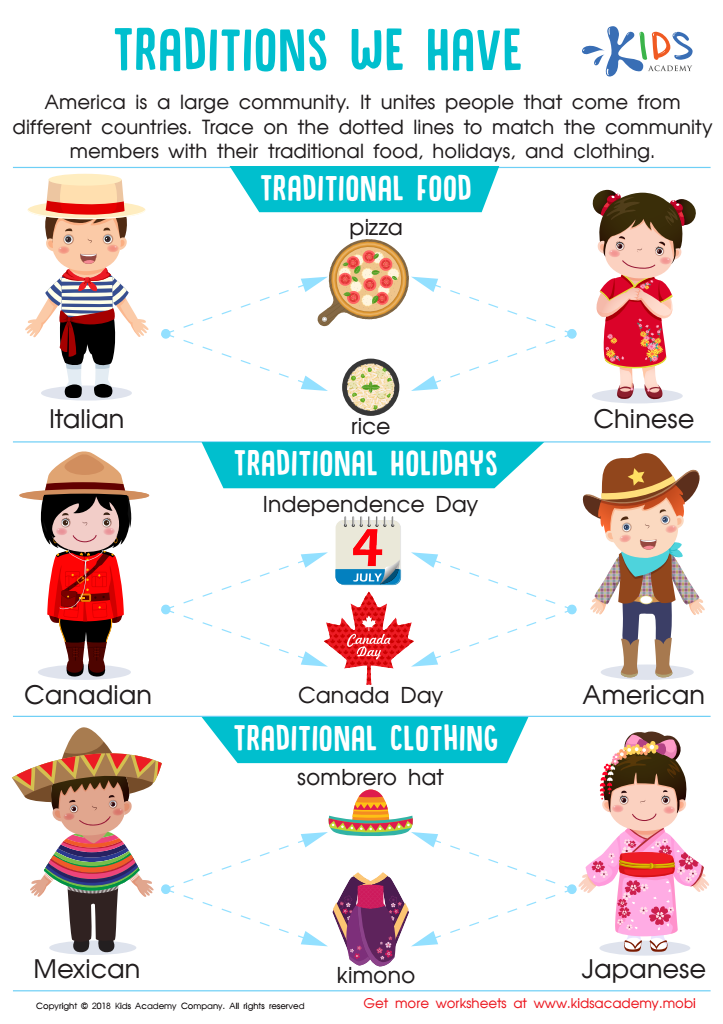
Traditions We Have Worksheet

Traditions We Have Worksheet

Help your child learn about the world's diverse cultures with this tracing sheet. Trace the dotted lines to match different community members with their traditional holidays, foods and clothing. America is just one of many countries with multiple communities living together - teach your child that everybody has different backgrounds and customs, opening their minds to an even bigger world.
Traditions We Have Worksheet
Worksheet
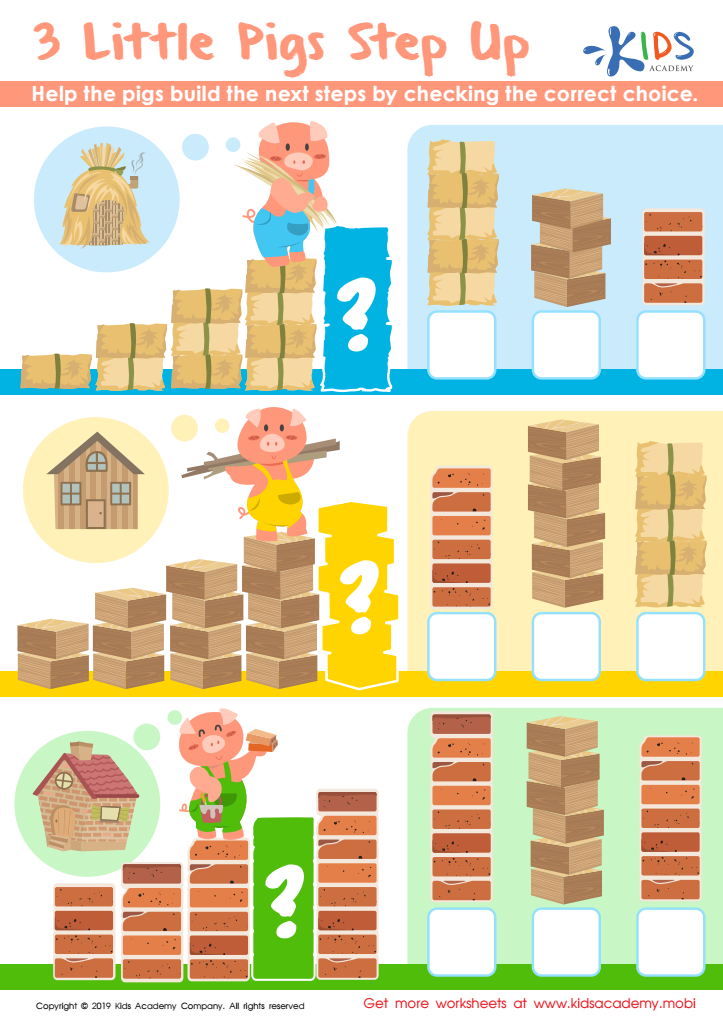
3 Little Pigs Step Up Worksheet

3 Little Pigs Step Up Worksheet

Test your kids' knowledge of the three little pigs' story. Ask them to tell you the important parts and then look at the pictures in this worksheet. Can they identify what's going on? They'll need to count the materials and help build the next steps by choosing the right option.
3 Little Pigs Step Up Worksheet
Worksheet
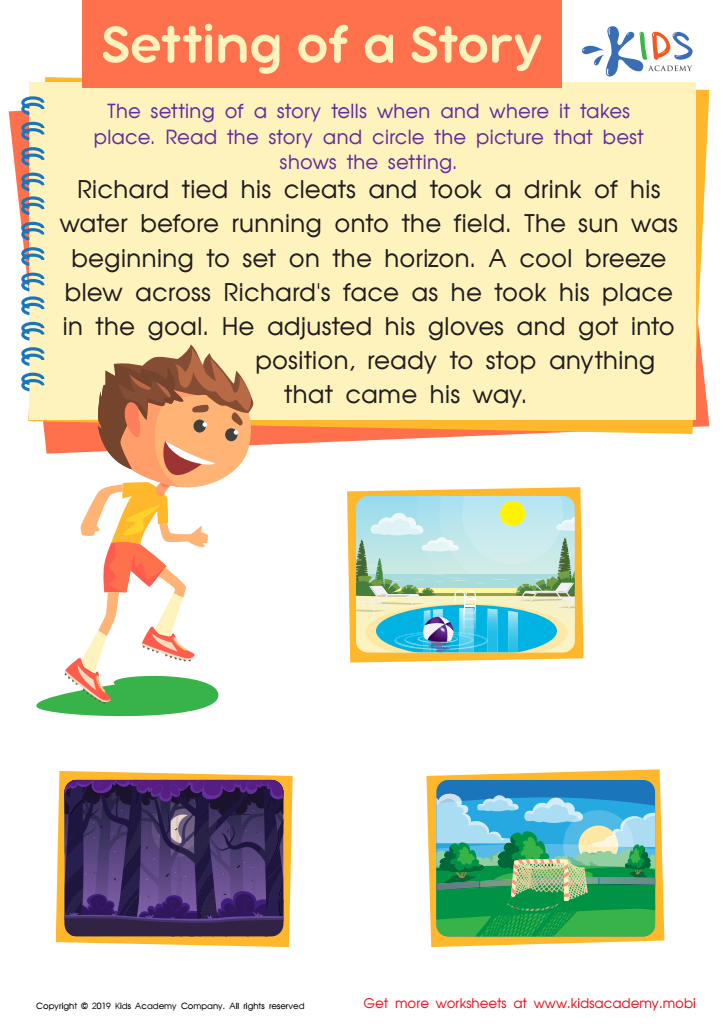
Setting of a Story Worksheet

Setting of a Story Worksheet

You need characters, theme, POV, plot and setting to tell a good story. Ask your kids to explain them and use this worksheet with a story to teach them about setting. Read the story with your kids, then have them circle the picture that best shows the setting.
Setting of a Story Worksheet
Worksheet
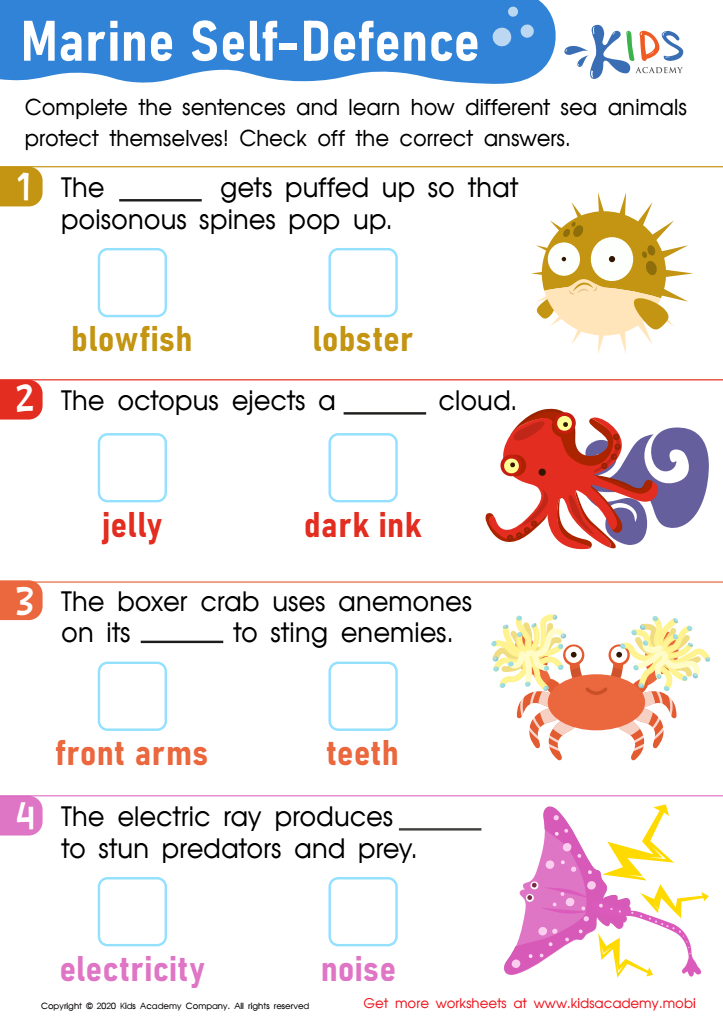
Marine Self-Defence Worksheet


Marine Self-Defence Worksheet

Kids will love discovering the ingenious ways sea creatures protect themselves from predators such as sharks and whales! Let them explore the strategies with this fun science worksheet, which features vibrant illustrations. Have them fill in the blanks with each creature's defense strategy, such as shells, spikes, ink, or even electricity!
Marine Self-Defence Worksheet
Worksheet


Critical thinking skills are incredibly important for children aged 6-7 because they form the foundation for lifelong learning and problem-solving abilities. At this young age, children's brains are very plastic, meaning they are primed for gaining new skills and capabilities. Introducing critical thinking early helps them learn to analyze information, make decisions, and evaluate outcomes thoughtfully rather than just accepting things as they seem.

Firstly, critical thinking enhances their curiosity and independence. When kids learn to ask questions like "Why?", "What if?", or "How do I know?", they're more engaged and invested in their learning. This eagerness to explore encourages them to be more active participants in their education, fostering a love for lifelong learning.

Secondly, these skills help in social settings. Children who think critically tend to better understand other perspectives, enhancing their ability to work and play well with peers. They learn empathy by considering others' viewpoints, which is crucial for developing good relationships.

Finally, fostering critical thinking skills prepares them for real-world problem-solving. Whether they are choosing books to read or resolving disagreements on the playground, these young thinkers can come up with effective, well-reasoned solutions.

In essence, critical thinking skills empower children to understand the world more deeply, easily navigate complex situations, and develop the ability to reason effectively from a young age.