Improving vocabulary Easy Worksheets for Ages 6-7
3 filtered results
-
From - To
Enhance your child's vocabulary with our engaging "Improving Vocabulary Easy Worksheets" designed specifically for ages 6-7. These printable worksheets feature fun activities that make learning exciting and effective. Your little ones will explore words through matching exercises, fill-in-the-blanks, and picture associations, ensuring they grasp new terminology in an enjoyable way. Tailored to foster early literacy skills, these worksheets help build a strong foundation for reading and communication. Simple to use at home or in the classroom, they are perfect for reinforcing vocabulary through interactive learning. Unlock your child’s potential and watch their language skills soar with our easy vocabulary resources!
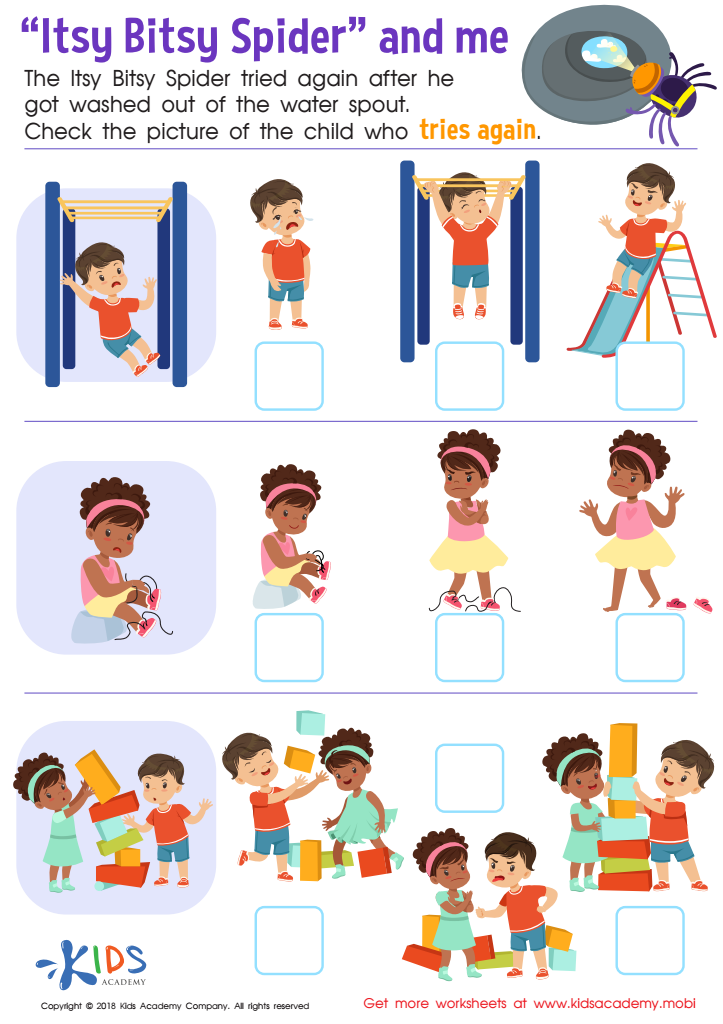
Itsy Bitsy Spider and Me Worksheet
 Assign to My Students
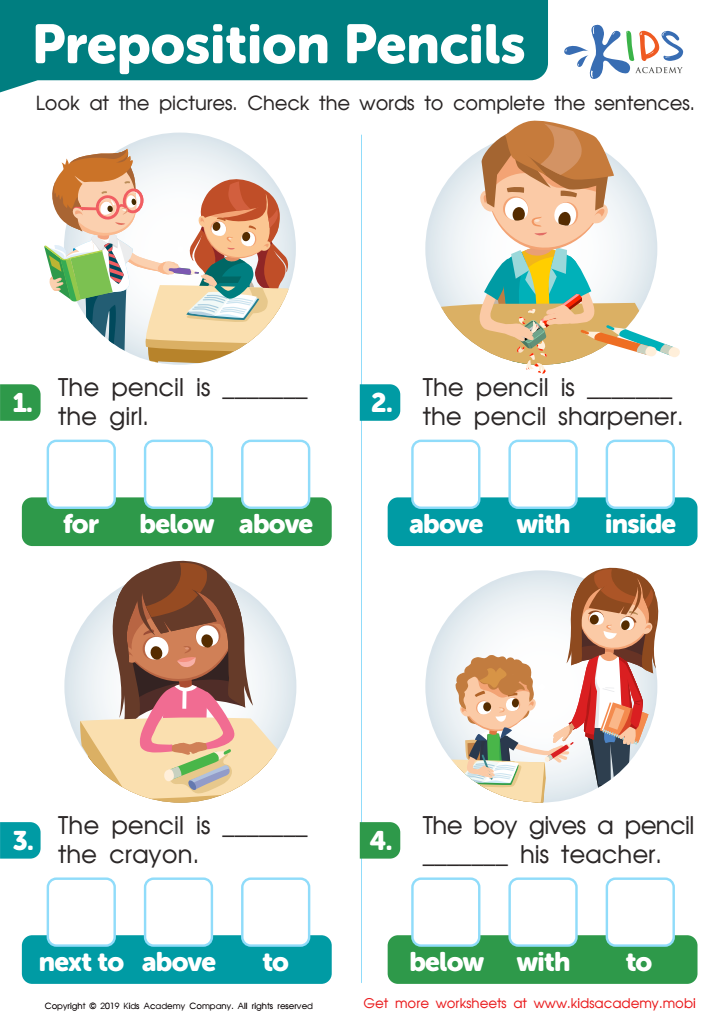
Preposition Pencils Worksheet
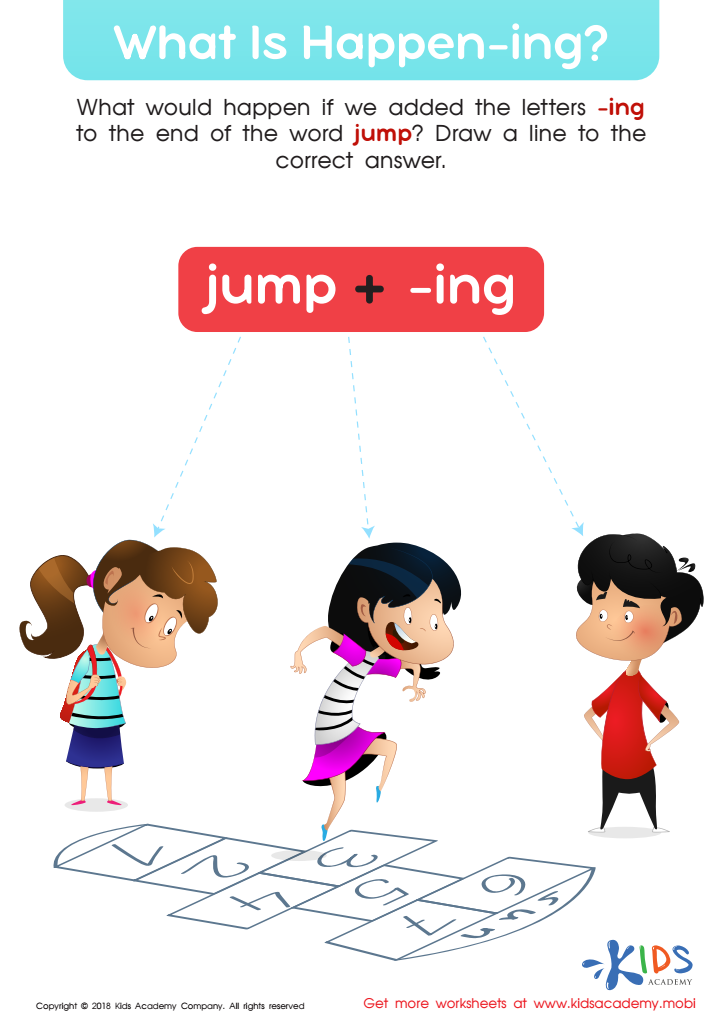
What Is Happen-Ing? Worksheet






.jpg)
Improving vocabulary for children aged 6-7 is crucial for their overall development and future success. At this stage, children are not only learning to read but are also delving into more complex concepts across subjects. A robust vocabulary enhances their reading comprehension, allowing them to engage with stories and content meaningfully, which fosters a love for reading.
Moreover, strong vocabulary skills lead to better communication. Children who can express their thoughts clearly and accurately are more likely to participate in discussions, ask questions, and share their ideas confidently. This contributes to their social interactions and builds self-esteem.
Additionally, a rich vocabulary provides a cognitive advantage. It encourages children to think critically and creatively as they learn new words and concepts. Teachers and parents should engage actively in vocabulary-building activities—like reading aloud, storytelling, and playing word games. Such interactions create a stimulating environment that nurtures a lifelong love for learning.
In summary, prioritizing vocabulary development for kids aged 6-7 lays a solid foundation for their academic and social skills, equipping them not only for school success but also for effective communication and understanding in life.








