Vocabulary Building Easy Worksheets for Ages 6-7
6 filtered results
-
From - To
Enhance your child's language skills with our engaging Vocabulary Building Easy Worksheets for ages 6-7! Designed specifically for young learners, these worksheets offer a fun and interactive way to enrich vocabulary and improve reading comprehension. From identifying new words to using them in sentences, each worksheet encourages creativity and critical thinking. Perfect for home or classroom use, our resources cater to diverse learning styles, making vocabulary acquisition enjoyable and effective. Let your child's confidence soar as they explore new words and concepts. Spend quality time together while nurturing a love for language through our thoughtfully crafted worksheets!
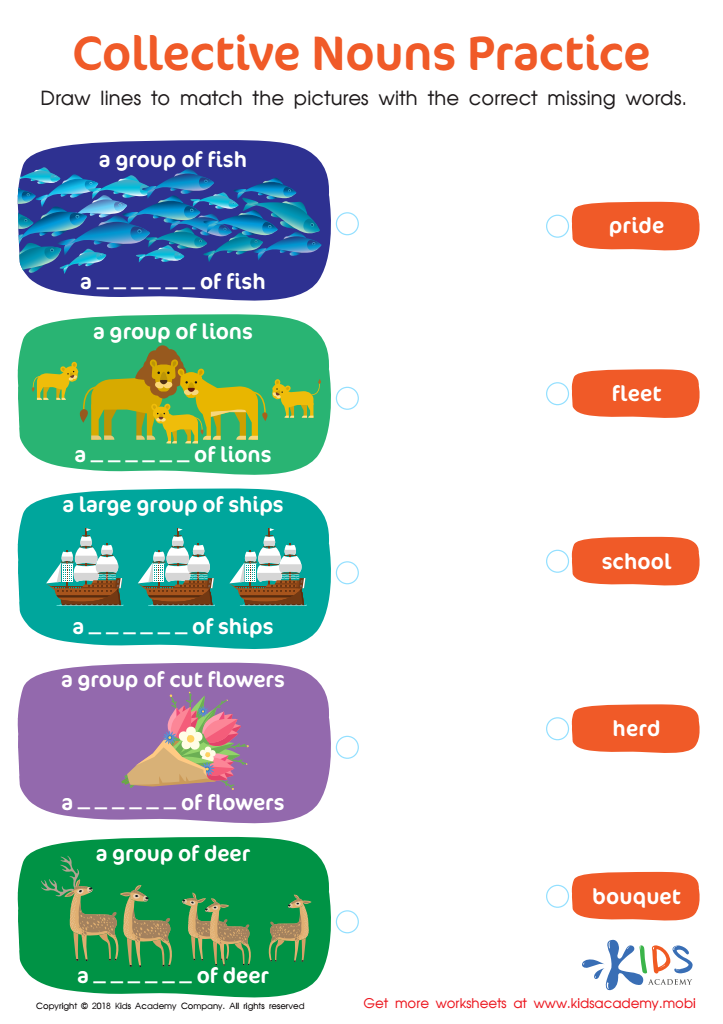
Collective Nouns Practice Worksheet
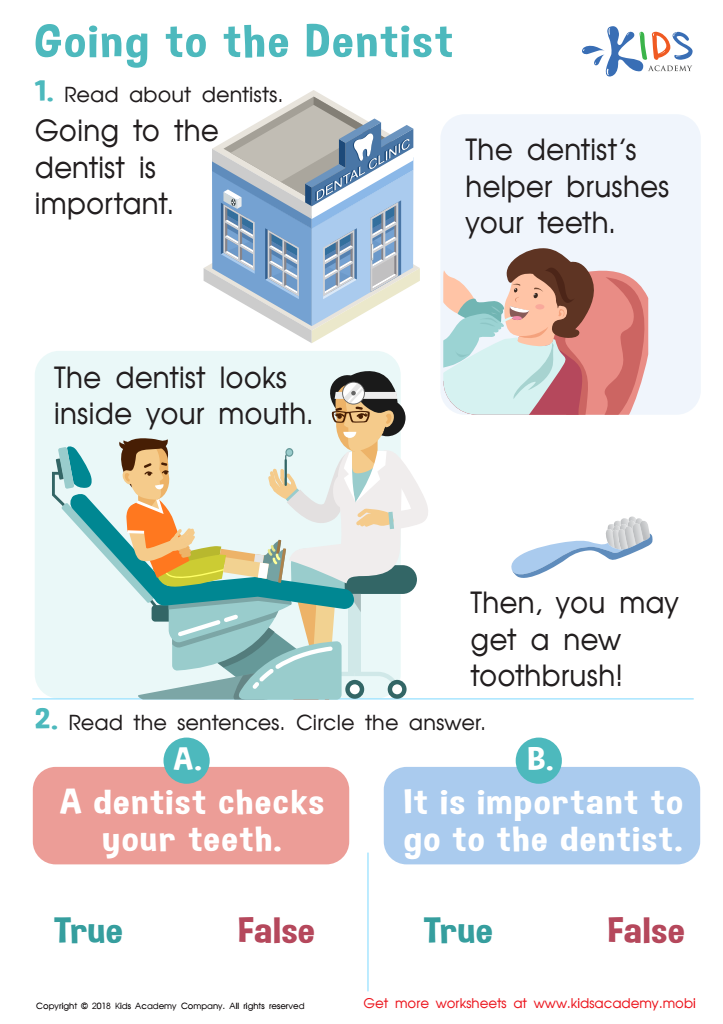
Going to the Dentist Part 2 Worksheet
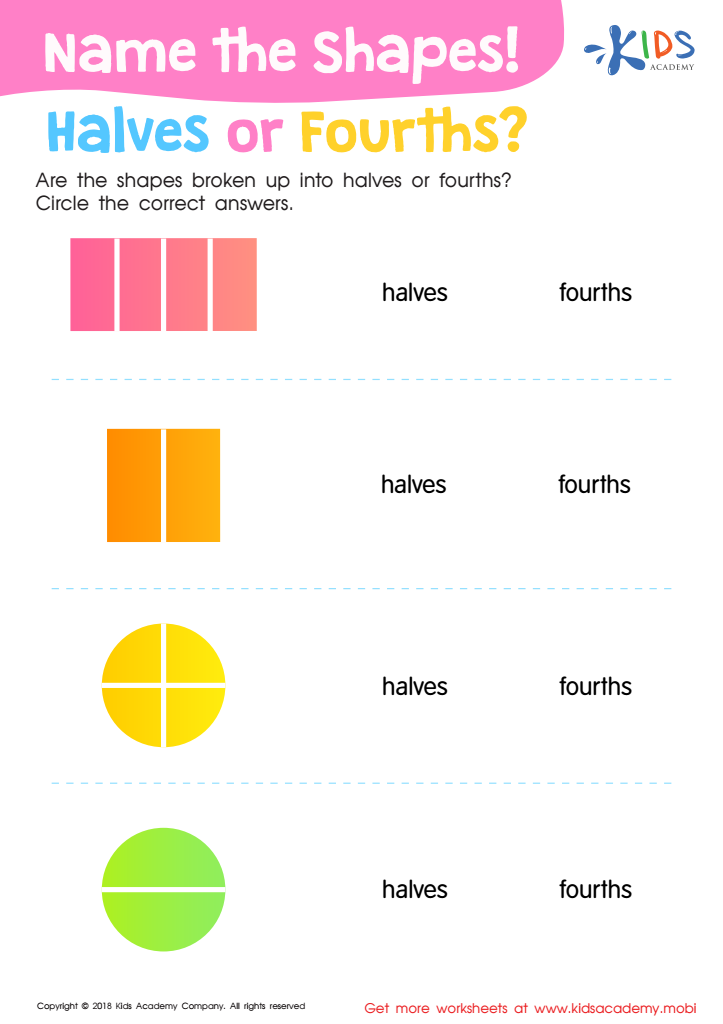
Name the Shapes Halves or Fourths? Worksheet
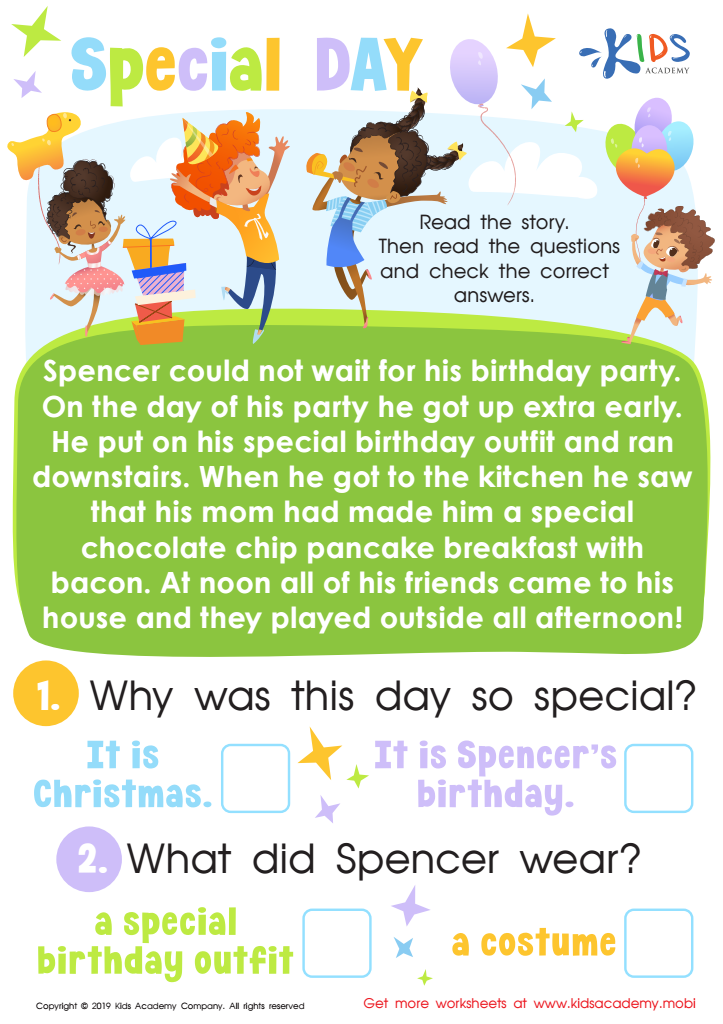
Special Day Worksheet
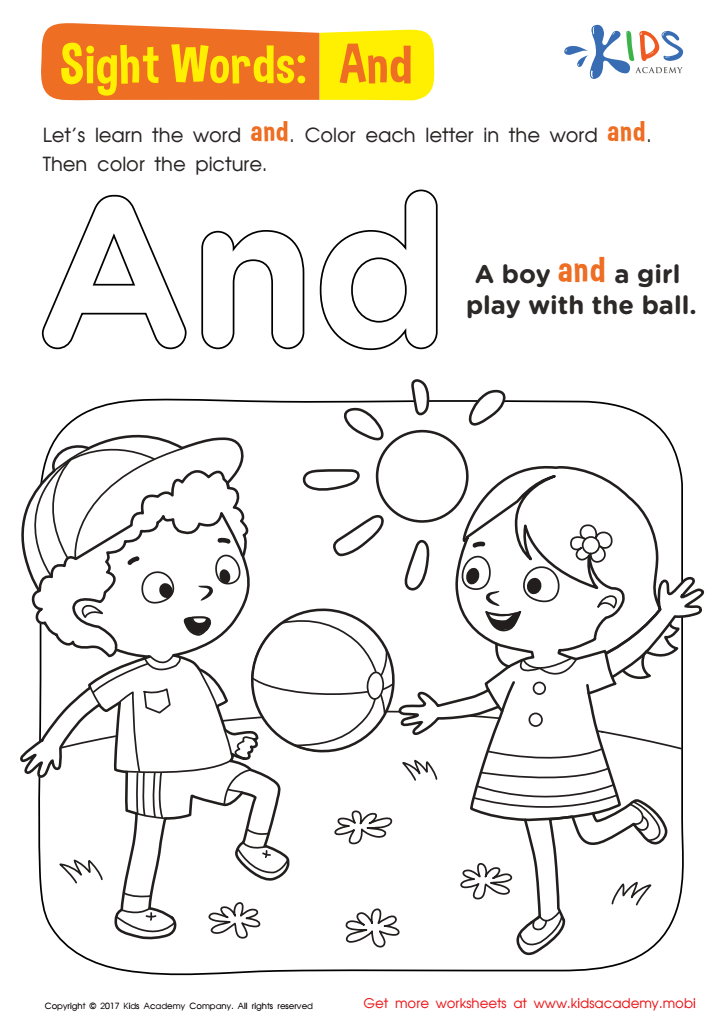
And Worksheet Sight Words Worksheet
 Assign to My Students









Vocabulary building for children aged 6-7 is crucial for several reasons. At this developmental stage, children experience rapid cognitive growth and are beginning to learn how to read and write effectively. Expanding their vocabulary enhances their communication skills, enabling them to express themselves clearly and confidently. This foundational stage sets the groundwork for future academic success.
Parents and teachers play a vital role in vocabulary development. A rich vocabulary is linked to better comprehension, which supports all areas of learning. Children with a strong vocabulary can understand texts more easily, engage in discussions, and articulate their thoughts. This ability influences their self-esteem and motivation in school.
Moreover, vocabulary building activities, such as storytelling, word games, and interactive reading sessions, foster a love for language and learning. These activities not only make learning enjoyable but also strengthen the bonding experience between adults and children, cultivating a positive environment. In our increasingly communication-focused world, helping children build their vocabulary prepares them for a lifetime of learning and personal growth. Supporting vocabulary development is not just an educational duty; it’s an investment in a child's future success and confidence.








