Following instructions Easy Numbers Worksheets for Ages 6-7
5 filtered results
-
From - To
Our "Following Instructions: Easy Numbers Worksheets for Ages 6-7" engage young learners in fun and educational activities designed to enhance their number skills. These printable worksheets help kids practice counting, number recognition, and basic math operations while following clear, simple instructions. Perfect for at-home learning or classroom use, they improve cognitive skills and prepare children for advanced math concepts. Ideal for ages 6-7, these worksheets encourage independent learning and build confidence in solving math problems. Explore our range to support your child's learning journey with enjoyable and effective math practice!
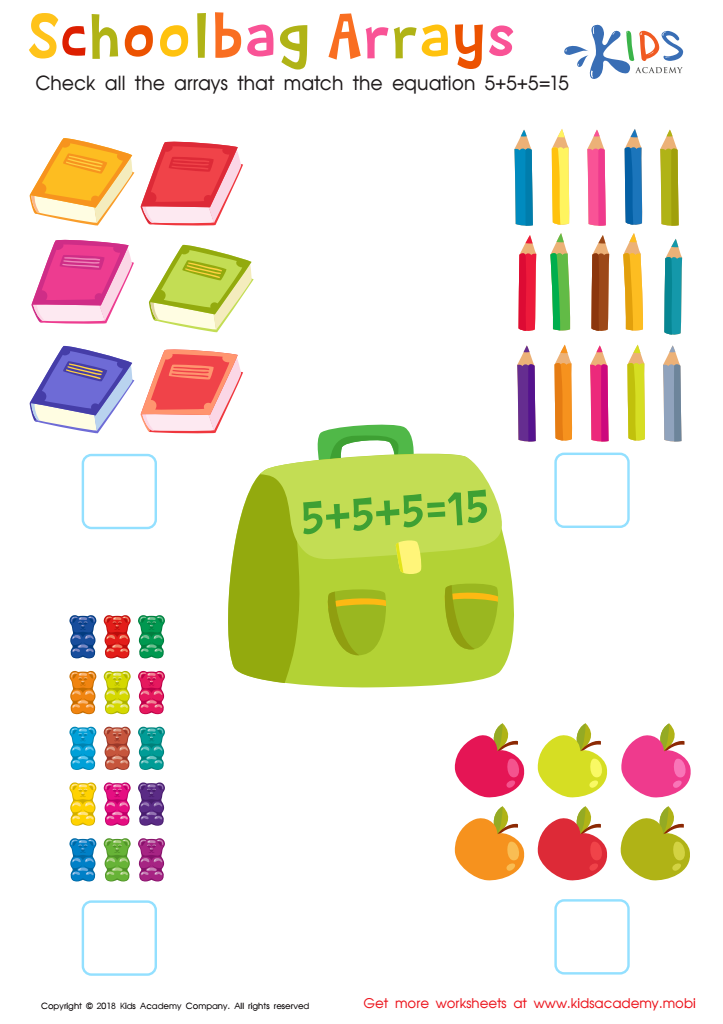
Schoolbag Arrays Worksheet
 Assign to My Students
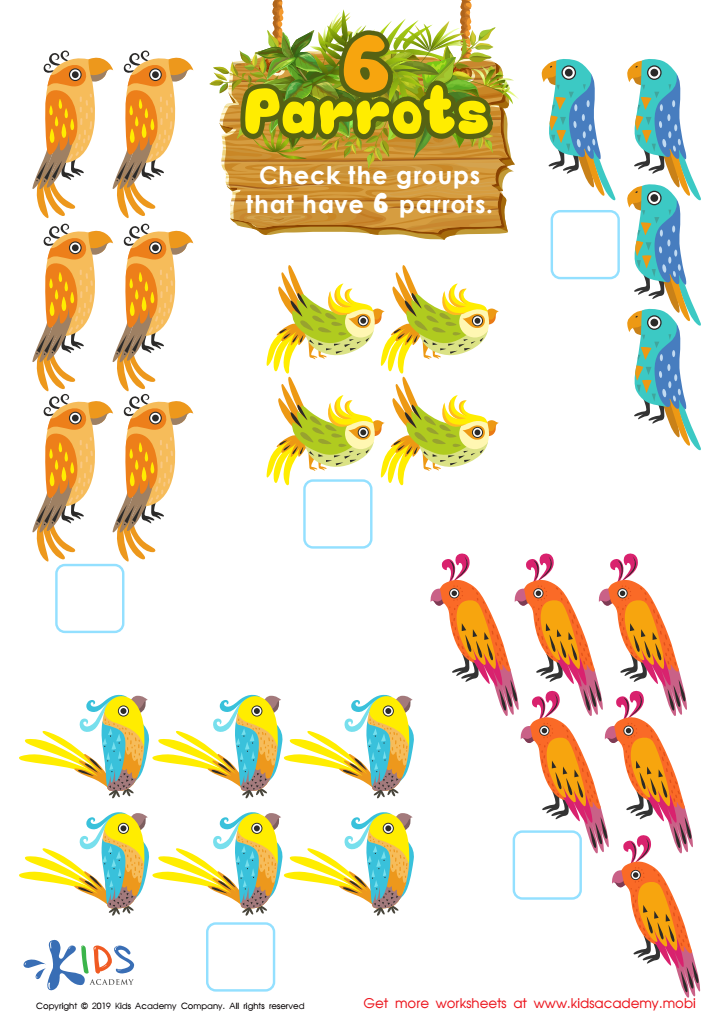
6 Parrots Worksheet
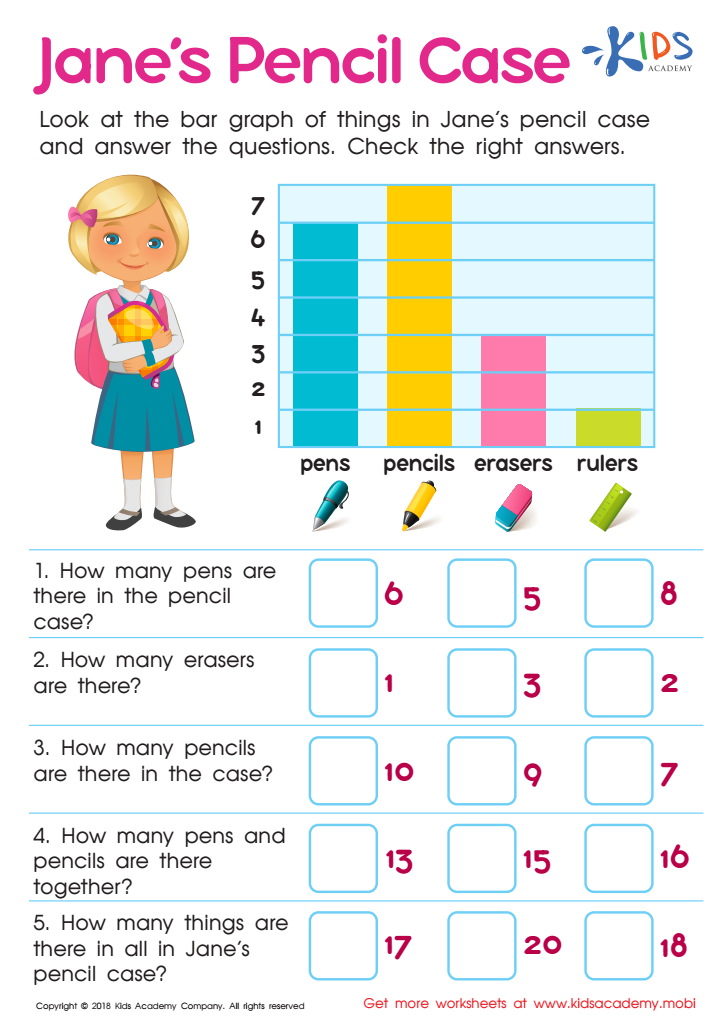
Jane's Pencil Case Worksheet
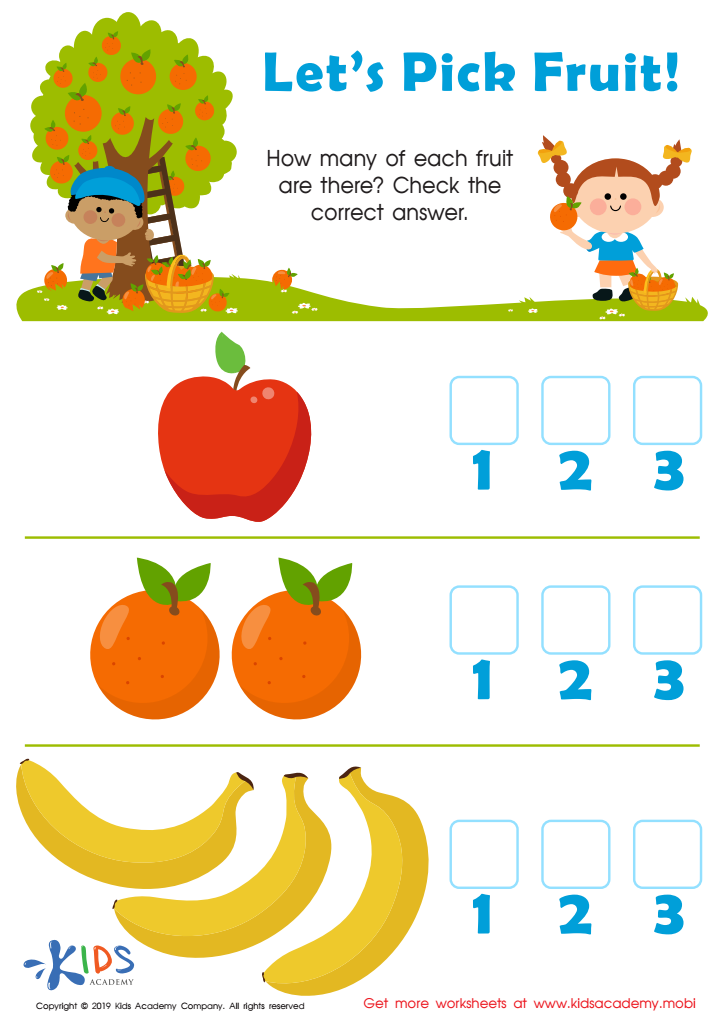
Let's Pick Fruit Worksheet
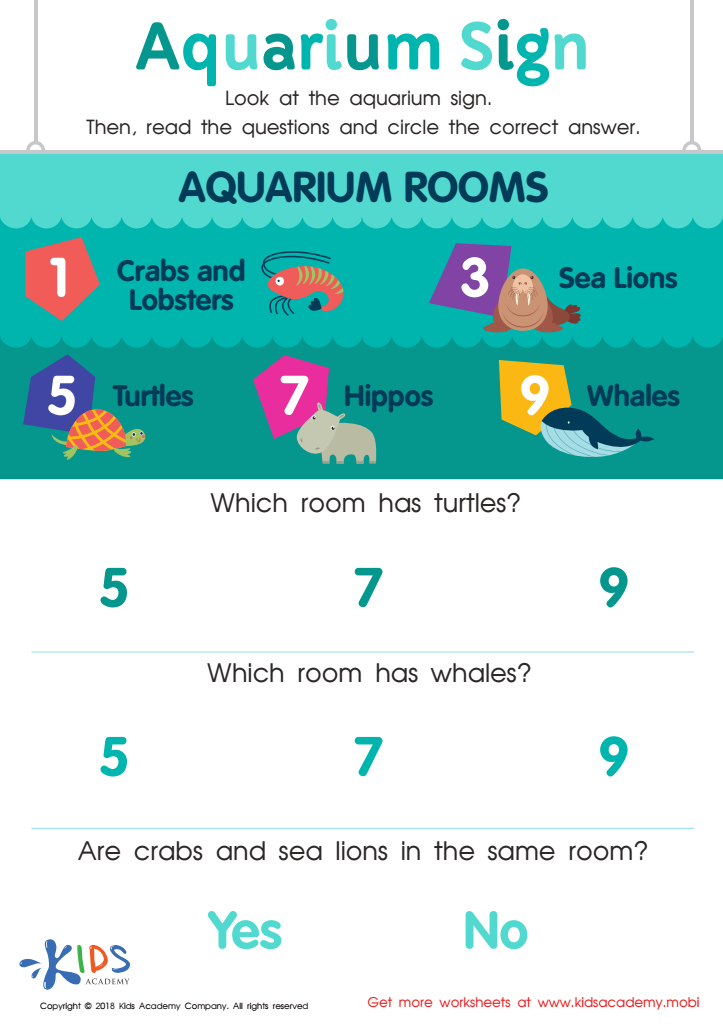
Assessment: Aquarium Sign Worksheet








Parents and teachers should prioritize following instructions and basic number exercises for children aged 6-7, as these foundational skills are critical for cognitive and academic development. At this age, children are in key learning stages where they start formal education and are exposed to structured academic activities.
Following instructions is essential because it teaches children to listen carefully, understand tasks, and execute them correctly, which will benefit them both academically and socially. Adhering to directions also fosters a sense of responsibility and improves attention to detail, enabling children to tackle more complex challenges as they progress in their education.
Easy numbers, including simple arithmetic and number recognition, lay the groundwork for future mathematics learning. By mastering the basics, children build confidence and develop problem-solving skills necessary for higher-level math concepts. Early competence in numbers can also bolster logical thinking and reasoning, which are valuable in other subject areas and everyday life situations.
Ultimately, these skills equip children with the tools they need for a successful academic journey and lifelong learning. Investing in these aspects empowers children to become independent learners who are better prepared for future educational endeavors and problem-solving tasks.








