Understanding Quantities Easy Math Worksheets for Ages 6-7
6 filtered results
-
From - To
Explore our "Understanding Quantities Easy Math Worksheets" specifically designed for children aged 6 to 7. These engaging worksheets help young learners grasp the concept of quantities through fun activities, promoting essential math skills. Each worksheet is crafted to support early numeracy, allowing kids to practice counting, comparing, and identifying numbers in a playful manner. With vibrant designs and interactive exercises, children will build a strong foundation in mathematics while enhancing their critical thinking skills. Perfect for home or classroom use, these resources foster confidence and a love for learning in young mind. Let's make math enjoyable and accessible!
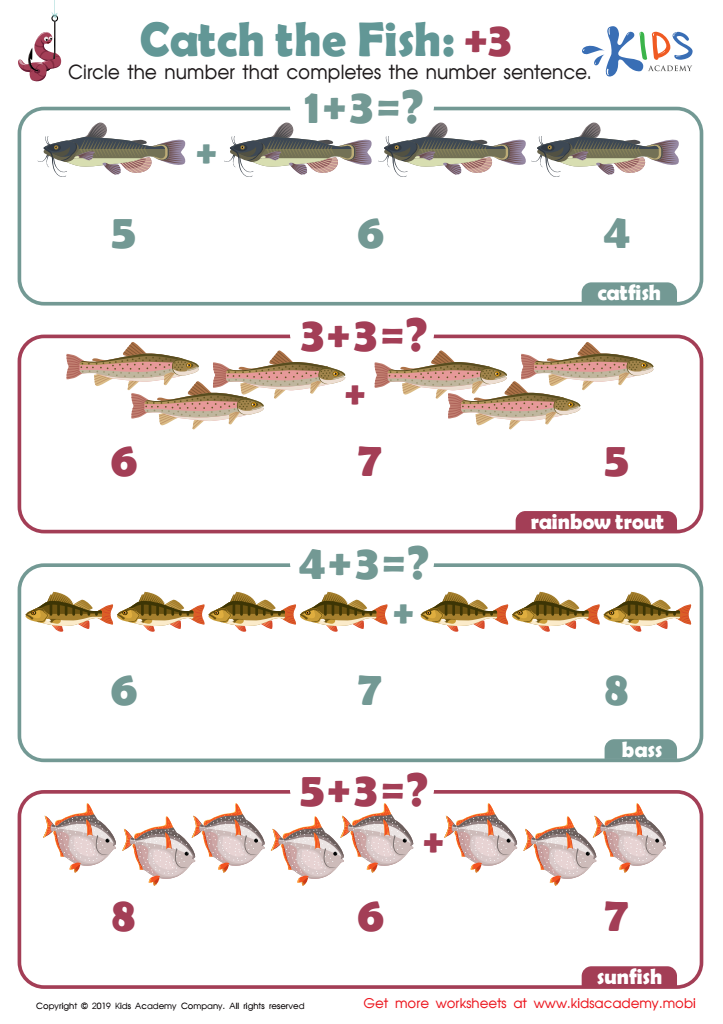
Catch the Fish: +3 Worksheet
 Assign to My Students
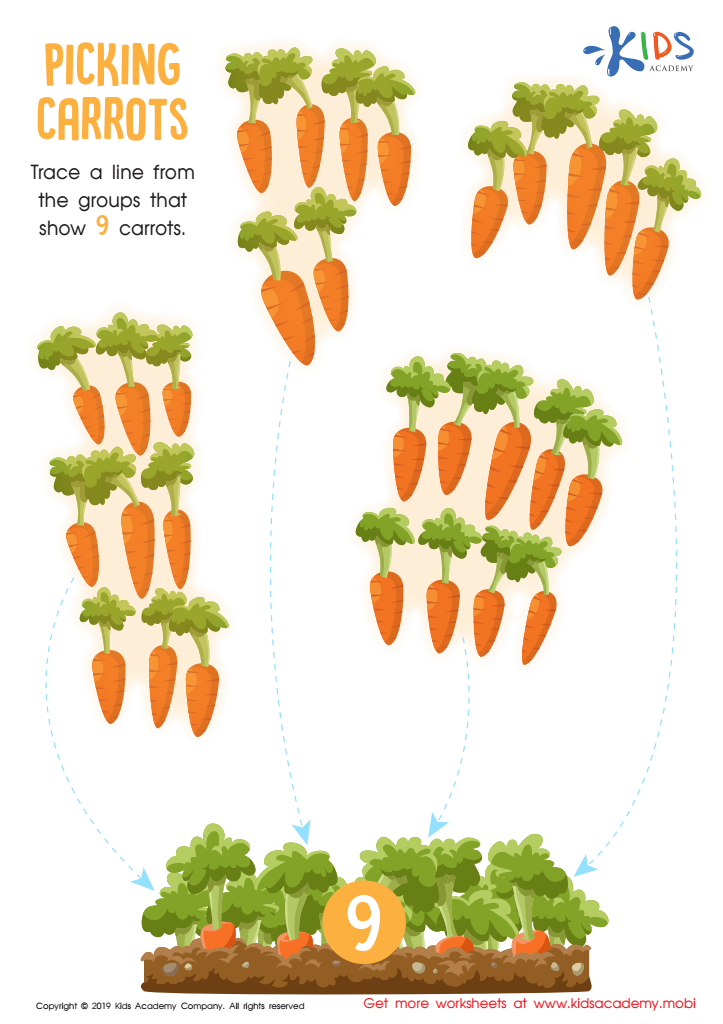
Picking Carrots Worksheet
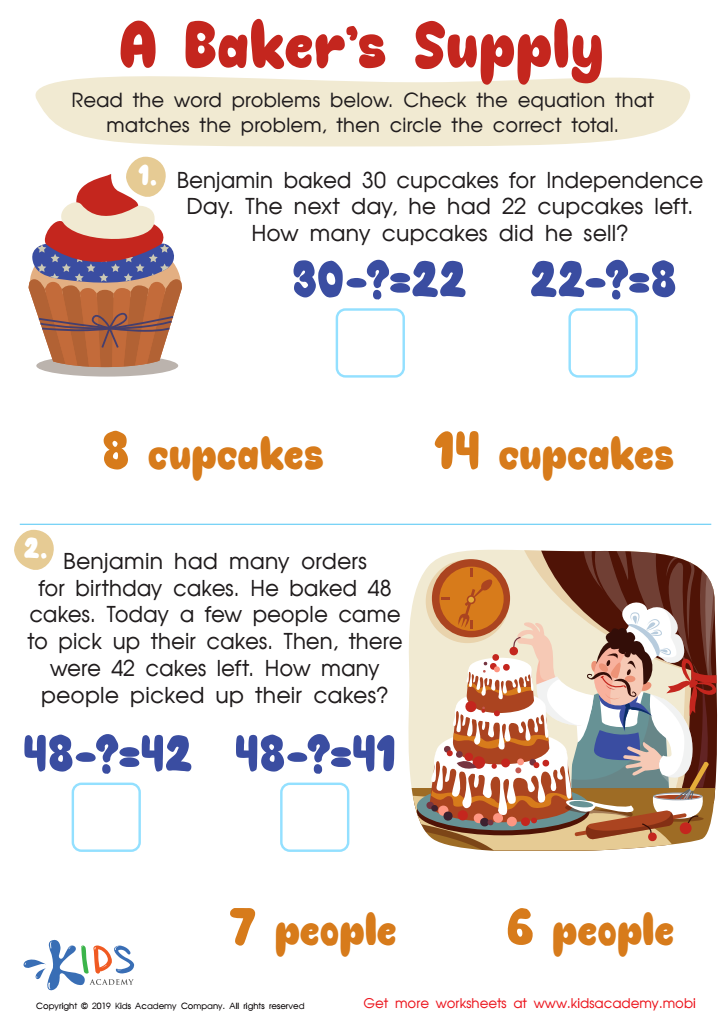
A Baker's Supply Worksheet
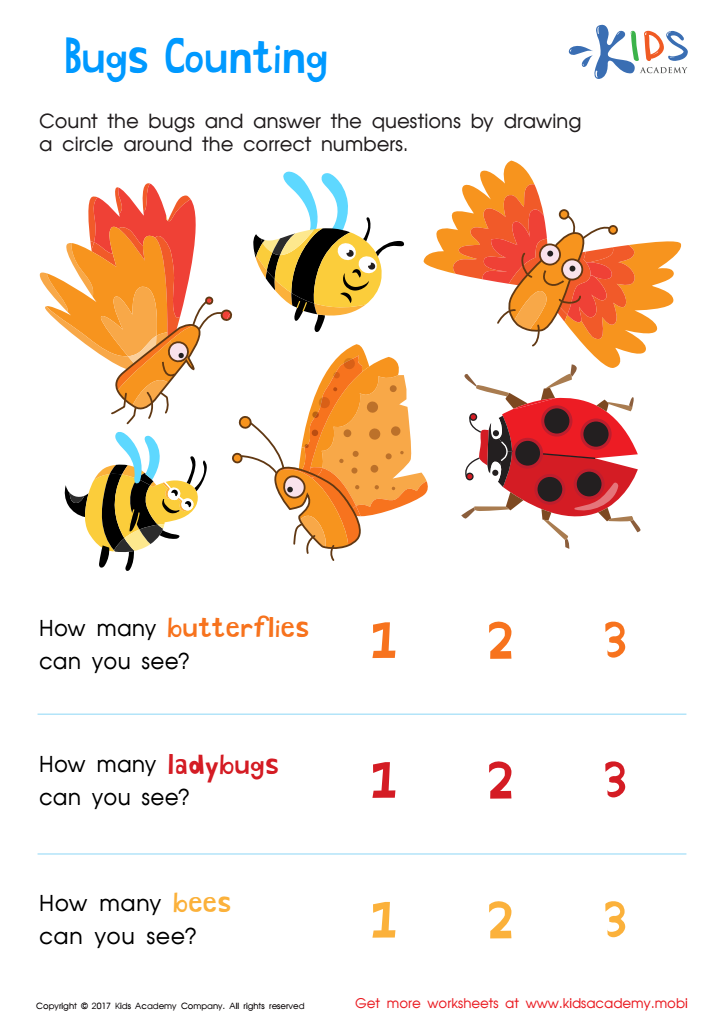
Bugs Counting Worksheet
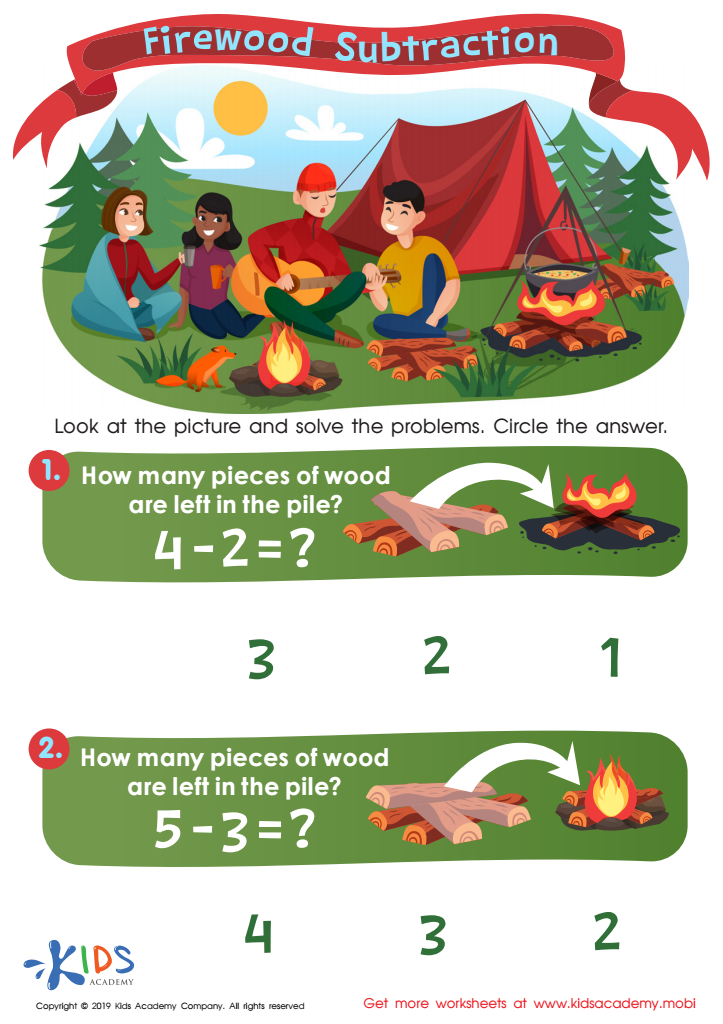
Firewood Subtraction Worksheet
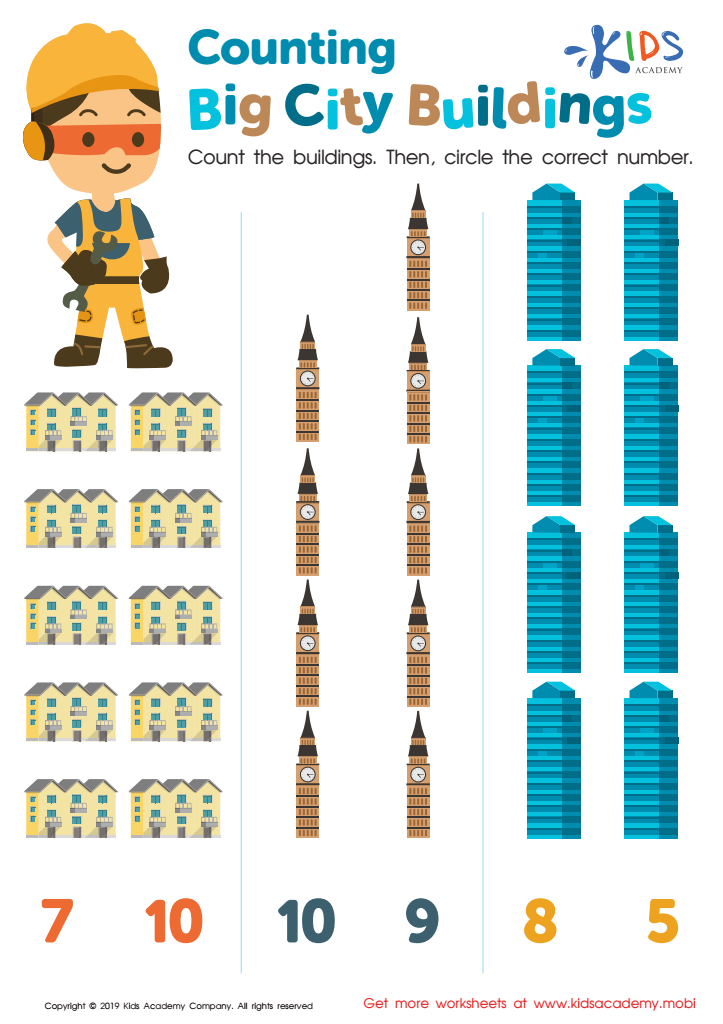
Counting Big City Buildings Worksheet








Understanding quantities is a fundamental building block for mathematical literacy, especially for children ages 6 to 7, when they are forming the early stages of their mathematical understanding. Parents and teachers should care about this crucial aspect for several reasons.
Firstly, a solid grasp of quantities lays the groundwork for more complex math concepts. Children learn to recognize and compare numbers, which are vital skills for addition, subtraction, and even more advanced operations. Engaging with quantities helps them develop critical thinking and problem-solving skills.
Secondly, early exposure to quantity concepts aids in cognitive development and enhances spatial awareness. Activities involving measuring, grouping, and classifying not only reinforce math skills but also support language development as children articulate their understanding.
Moreover, fostering a positive attitude towards math during these formative years can influence a child’s confidence and interest in learning. When parents and teachers encourage exploration of quantities in everyday situations—such as cooking, shopping, or playing games—they create a rich learning environment that contextualizes math in real life.
In summary, understanding quantities is essential for developing mathematical skills, boosting confidence, and promoting cognitive growth, making it a key focus for educators and parents alike.








