Interpreting data Easy Measurement Worksheets for Ages 6-7
3 filtered results
-
From - To
Discover the perfect resource to help young learners master the fundamentals of interpreting data! Our Easy Measurement Worksheets for Ages 6-7 provide engaging exercises that make understanding measurements and data interpretation a breeze. Designed to support early math skills, these worksheets offer a variety of activities including analyzing graphs, comparing lengths, and understanding units of measure. Each worksheet is crafted to be fun and educational, ensuring that kids stay motivated and confident as they hone their abilities. Perfect for classroom use or at-home practice, give your child the tools they need to excel in math with these exceptional worksheets.
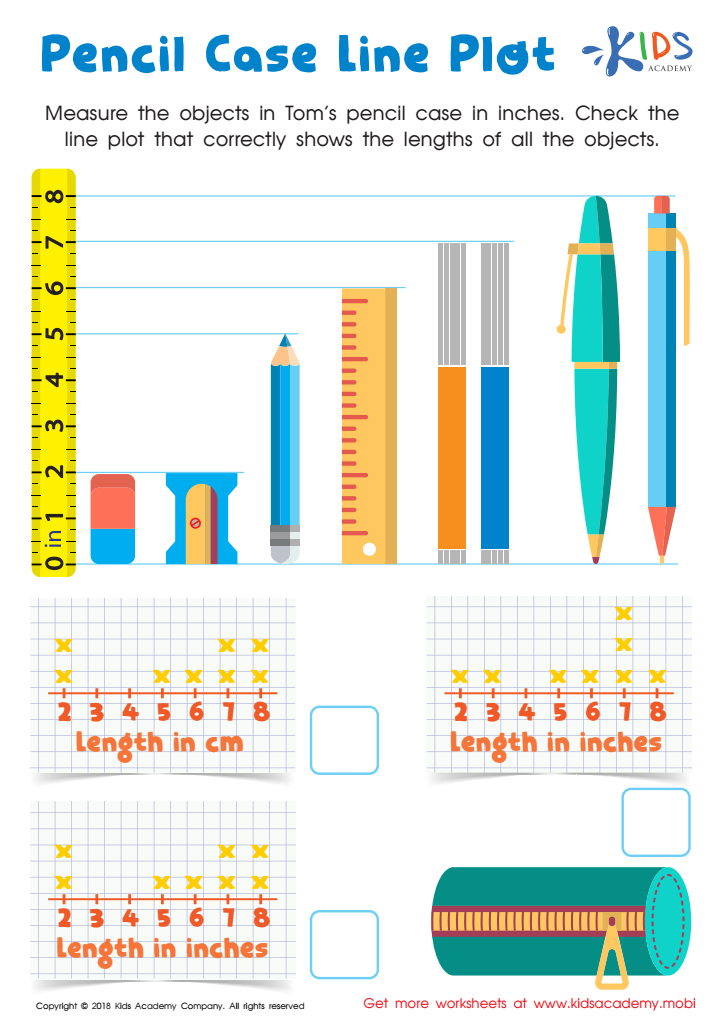
Pencil Case Line Plot Worksheet
 Assign to My Students
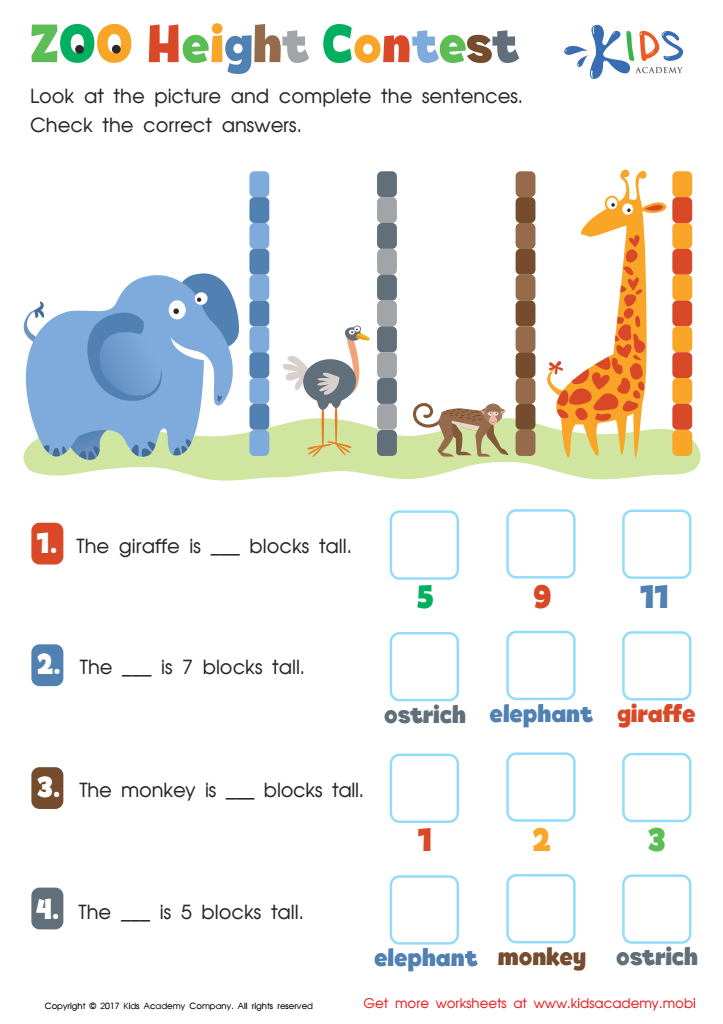
Zoo Height Contest Worksheet
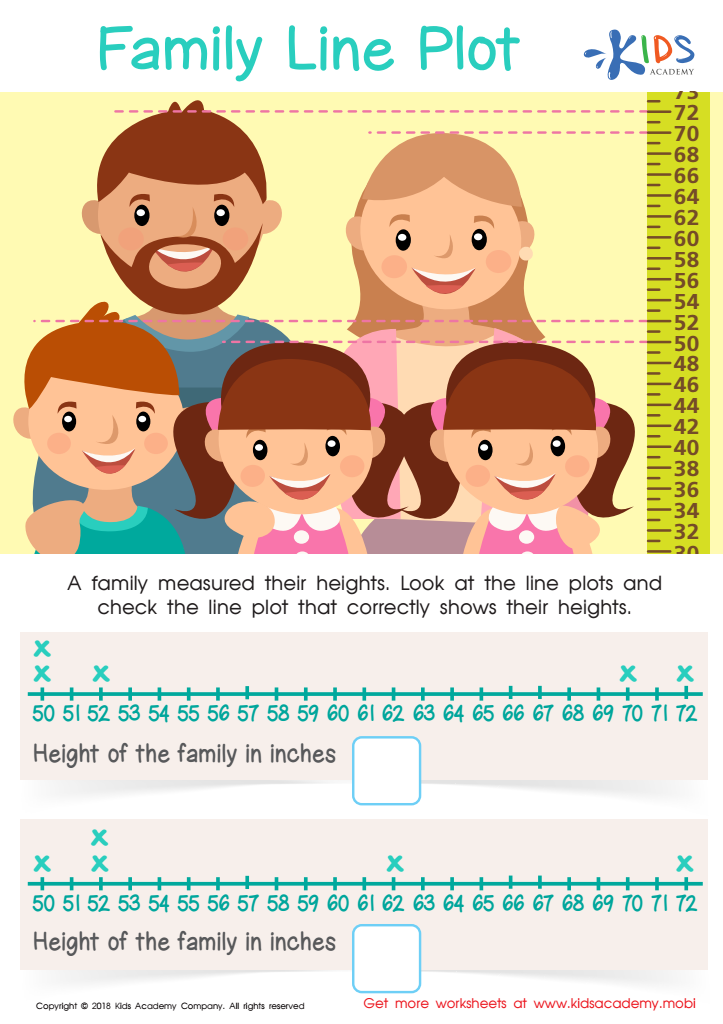
Family Line Plot Worksheet



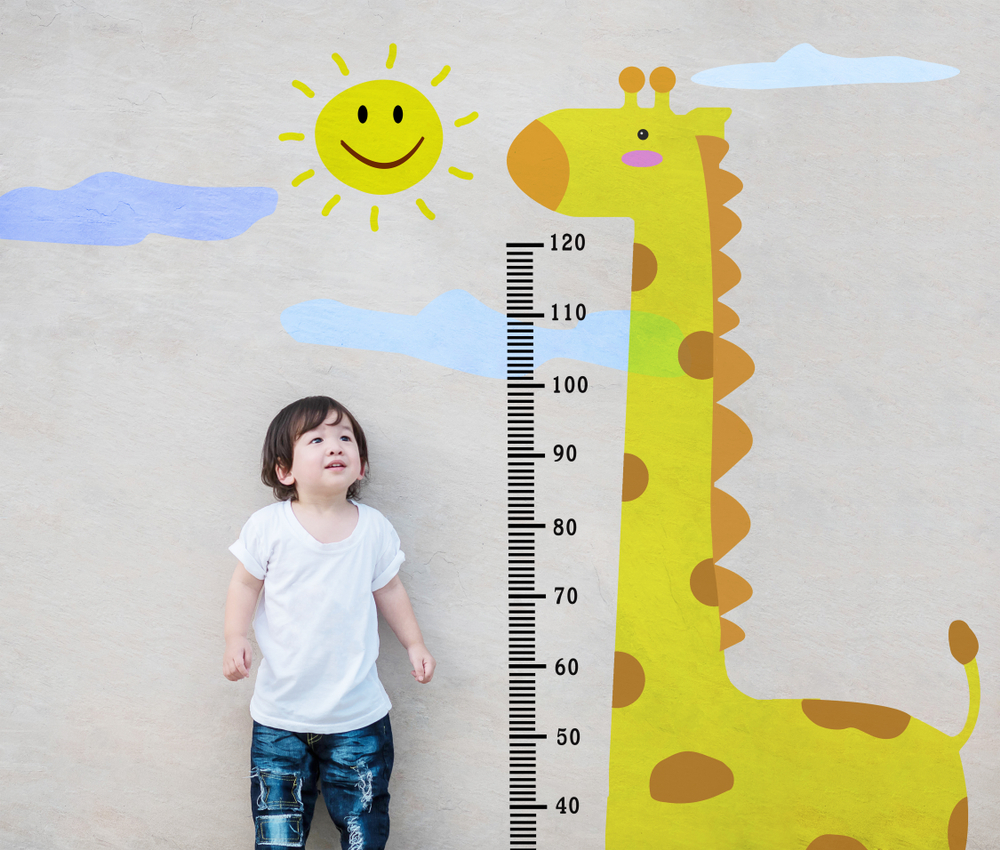




Interpreting data and understanding basic measurements are vital life skills that lay the foundation for future academic and real-world success. Parents and teachers should prioritize these skills for children aged 6-7 because they foster logical thinking and problem-solving abilities from a young age. These skills are instrumental in developing a child's cognitive abilities, positioning them to better tackle complex subjects like science, technology, engineering, and mathematics (STEM) as they grow older.
Teaching children how to interpret data and measure objects involves more than just understanding numbers. It nurtures their ability to observe, compare, categorize, and make sense of the world around them. For example, measuring objects helps children grasp concepts of size, weight, and volume, which are fundamental not only in academics but also in daily life activities.
Moreover, introducing these concepts early encourages a hands-on, inquiry-based learning environment. When children collect and analyze data for simple projects, they engage more deeply with the material, fostering a love for learning and curiosity. It also builds their confidence as they see tangible evidence of their ability to figure things out.
Ultimately, caring about and actively engaging in teaching these skills provides children with enduring tools to understand, interpret, and navigate their world intelligently and critically.








