Number Recognition Easy Measurement Worksheets for Ages 6-7
3 filtered results
-
From - To
Enhance your child's number recognition and measurement skills with our expertly designed worksheets for ages 6-7. These easy-to-use printable activities offer a fun, engaging way to boost early math development. Through interactive exercises tailored for young learners, children learn to identify numbers while mastering basic measurement concepts such as length, weight, and volume. Our Number Recognition Easy Measurement Worksheets not only build foundational mathematics skills but also improve problem-solving abilities and critical thinking. Perfect for both classroom and at-home learning, these worksheets ensure your child gains confidence in their math abilities in an enjoyable manner.
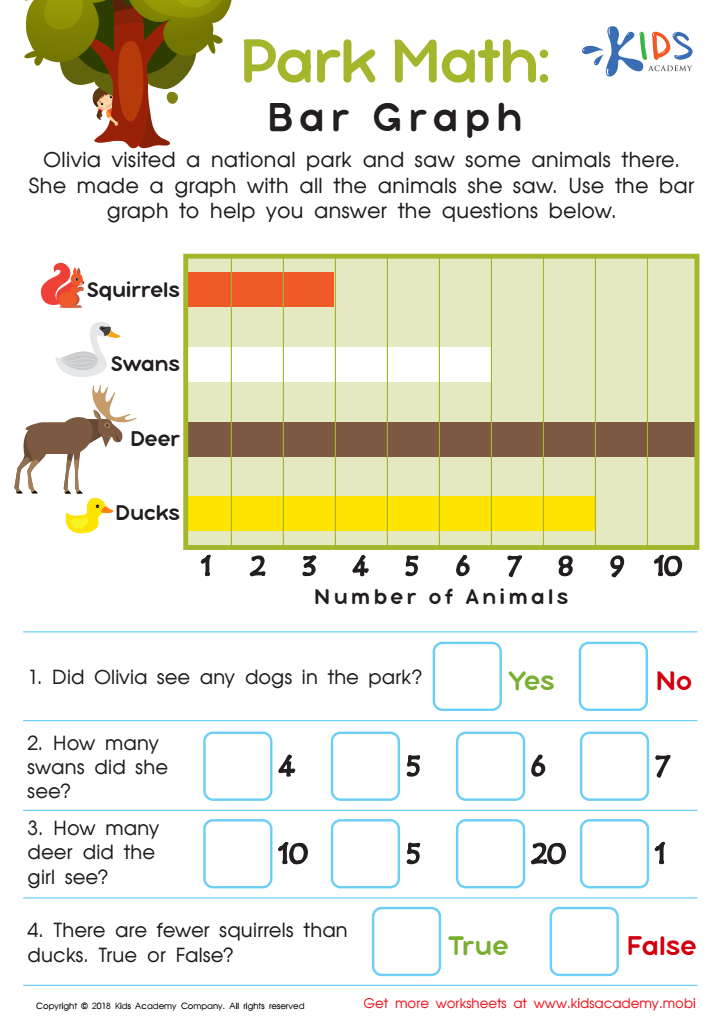
Park Math: Bar Graph Worksheet
 Assign to My Students
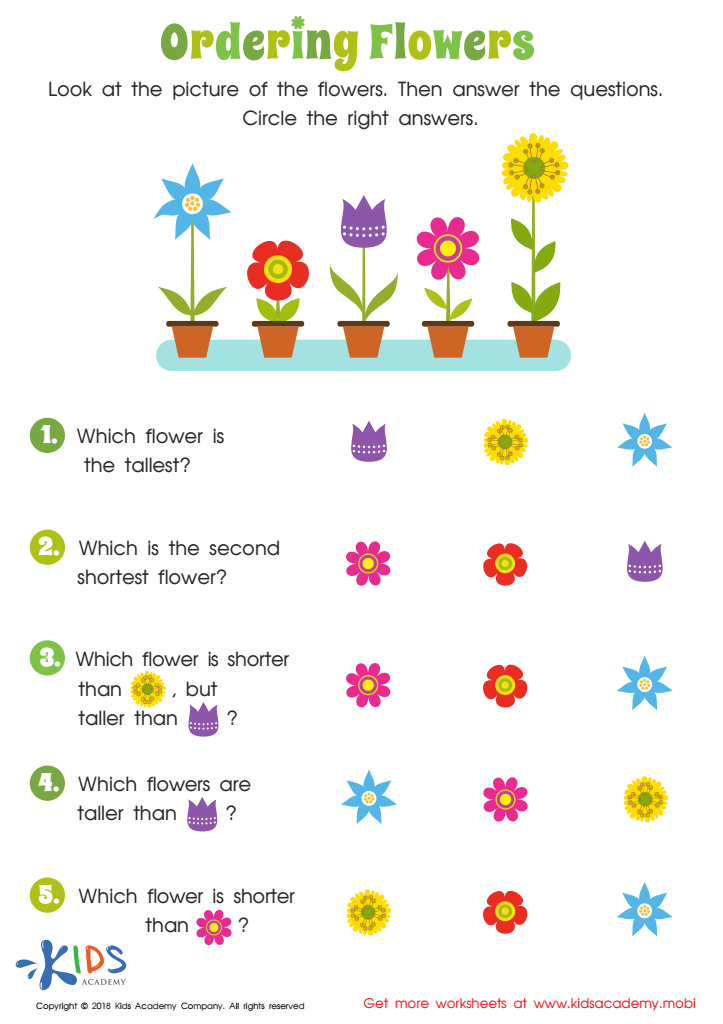
Ordering Flowers Worksheet
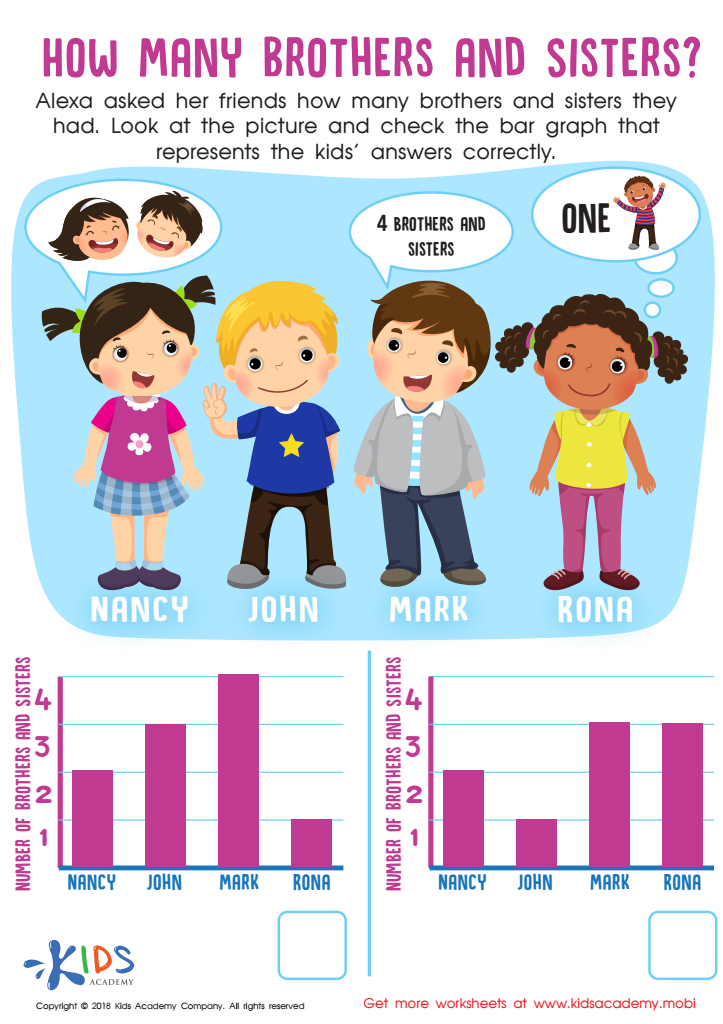
How Many Brothers and Sisters? Worksheet








Number recognition and basic measurement skills are foundational components of early childhood education, especially for children aged 6-7. At this critical stage, young learners are developing their cognitive abilities and building the groundwork for more complex mathematical concepts. Number recognition enables children to identify and understand numbers, which is essential for performing basic arithmetic operations such as addition and subtraction. These skills are not only vital for their academic success but also for daily life tasks like counting money or telling time.
Measurement skills, on the other hand, introduce children to the concepts of length, weight, and volume. These skills nurture a child’s ability to compare and contrast different objects and understand physical dimensions. Learning measurement fosters critical thinking and problem-solving abilities. It also ties in seamlessly with other subjects like science, where children might need to measure ingredients for a simple experiment, or in art, where they determine the dimensions of their project.
For parents and teachers, focusing on number recognition and easy measurement skills is a way to support their child’s overall development, ensuring they have the basic tools to excel in future academic endeavors. By cultivating these skills early on, children are better prepared to tackle more complex subjects with confidence and competence.








