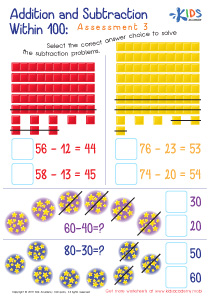
Fine Motor Skills Easy Numbers 11–20 Worksheets for Ages 6-7
4 filtered results
-
From - To
Enhance your child's fine motor skills and number recognition with our engaging "Fine Motor Skills Easy Numbers 11–20 Worksheets" designed for ages 6-7. These printable activities are perfect for little learners to practice tracing, writing, and identifying numbers 11 through 20. Each worksheet focuses on developing dexterity, precision, and hand-eye coordination, essential for future writing and drawing tasks. With fun themes and interactive elements, children will enjoy learning and honing their skills. Suitable for classroom use or at-home practice, these worksheets provide a solid foundation for early math success. Empower your child to excel in both motor skills and numeracy today!
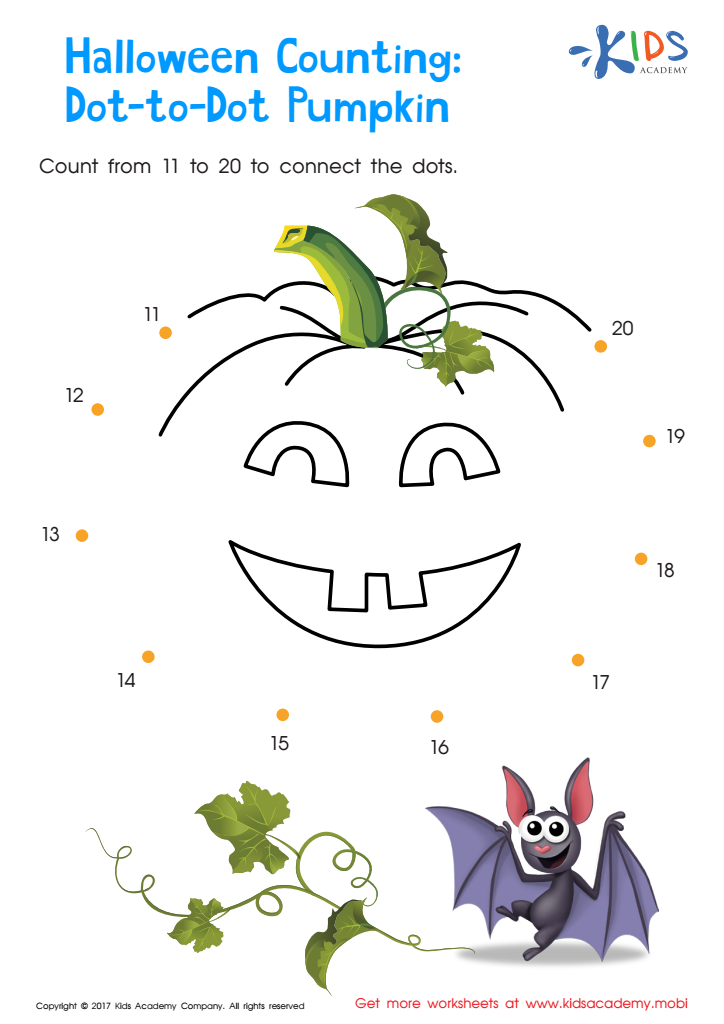
Ordering 11–20: Halloween Counting Worksheet
 Assign to My Students
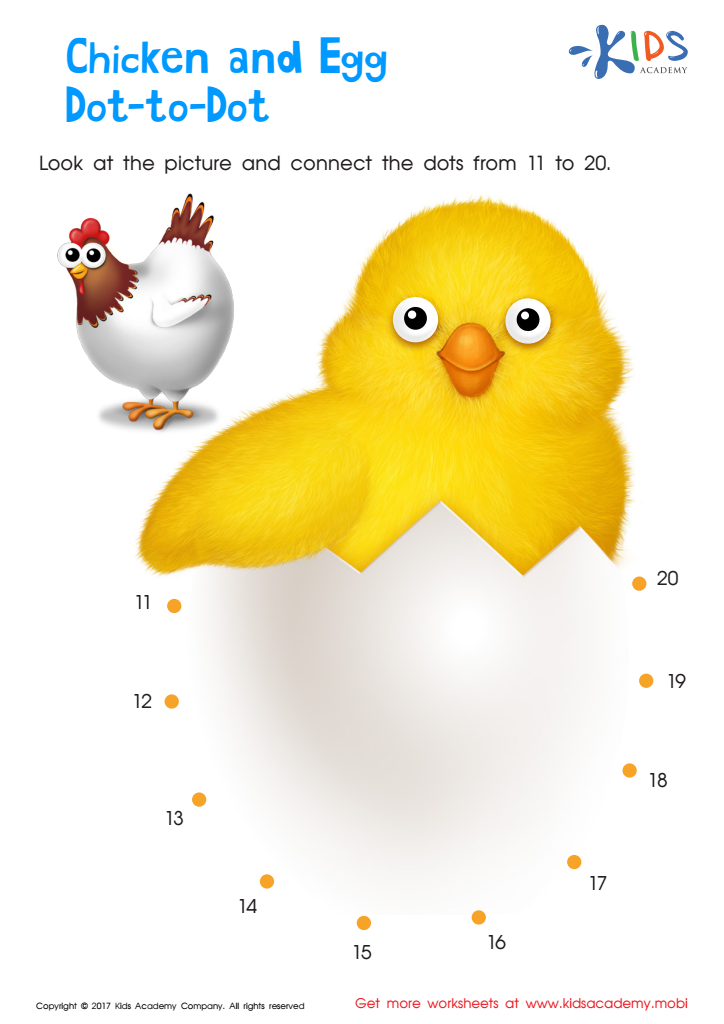
Ordering 11–20: Chicken & Egg Dot–to–dot Worksheet
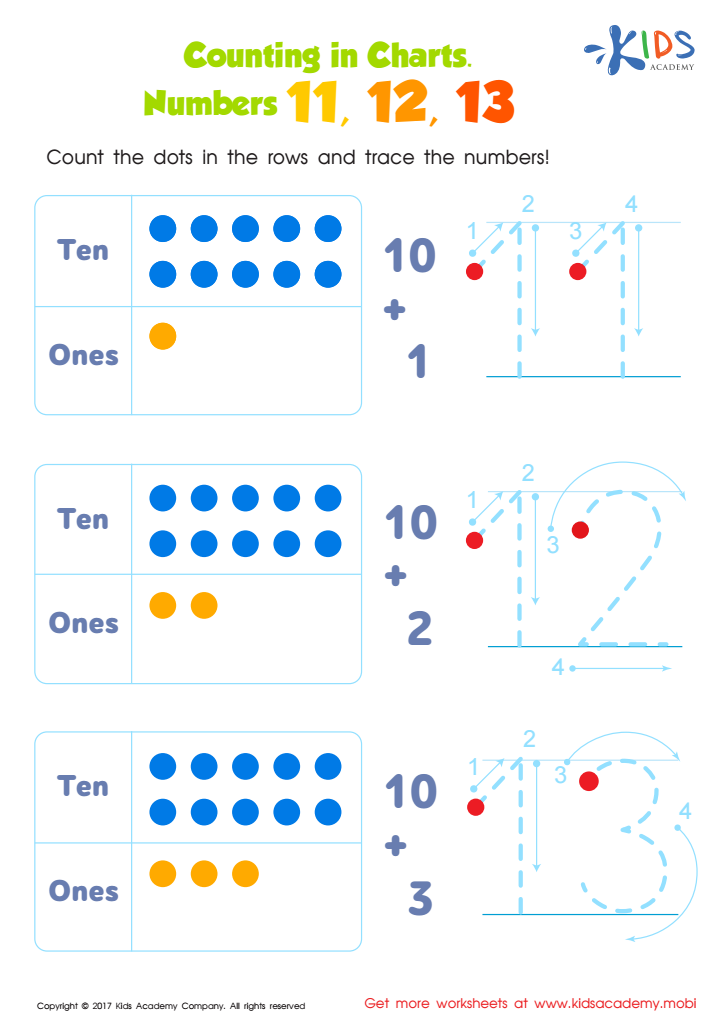
Number Tracing Worksheet For Kindergarten
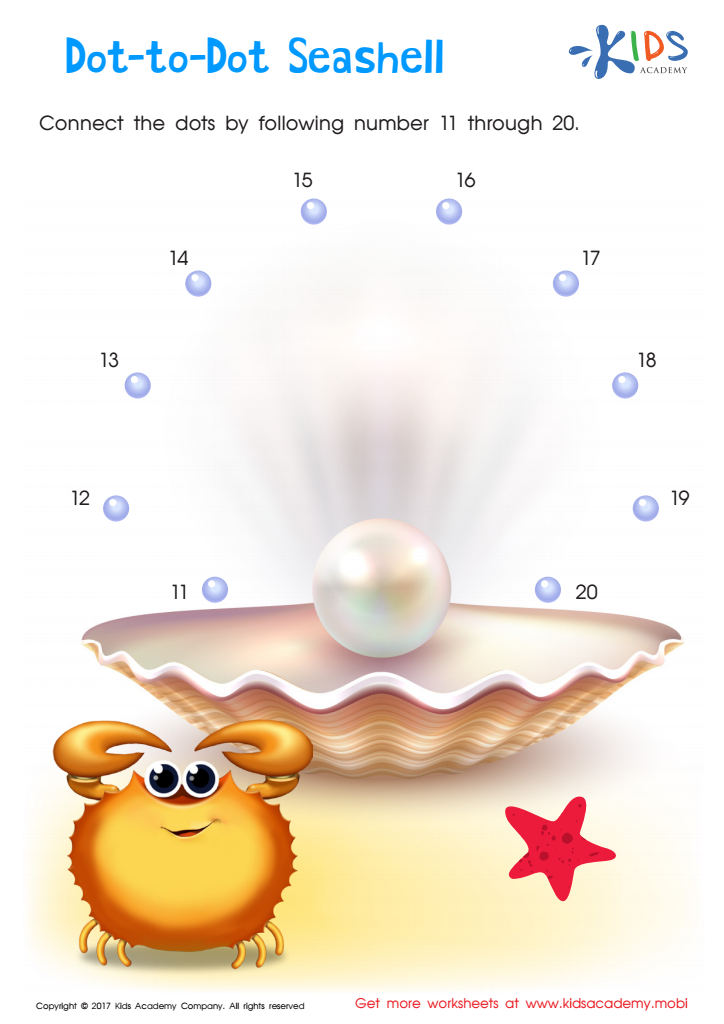
Ordering 11–20: Dot–to–dot Seashell Printable



Fine motor skills are essential for young children's overall development, particularly for ages 6-7, as they directly affect their ability to perform everyday tasks and succeed in school. When children engage with materials that help them learn Easy Numbers 11–20 through activities that require precision and control, such as coloring, cutting, or tracing, they are not just developing their math skills. They are also refining their fine motor skills, which involve the small muscles in their hands and fingers.
These fine motor skills are critical for children because they facilitate important tasks like writing, tying shoelaces, buttoning clothes, and using utensils. By practicing numerical tasks that range from 11 to 20, children enhance their muscle coordination and hand-eye coordination, which in turn can improve their writing abilities. Being able to write numbers clearly is foundational for math-related learning and overall academic confidence.
Furthermore, by linking concepts of counting, sorting, and pattern recognition with fine motor skill activities, children develop a positive association with learning. This makes academic tasks less daunting and more enjoyable, fostering a lifelong love for learning. Parents and teachers should care about developing fine motor skills through engaging numerical tasks because these activities are instrumental in building a solid foundation for children's future academic and everyday life success.