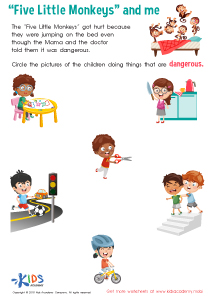
Color recognition Easy Building Vocabulary Worksheets for Ages 6-7
6 filtered results
-
From - To
Discover our "Color Recognition Easy Building Vocabulary Worksheets for Ages 6-7." These engaging, educational resources are perfect for helping young learners develop essential vocabulary skills while mastering color recognition. Each worksheet features vibrant illustrations, fun activities, and simple exercises designed to make learning enjoyable and effective. Ideal for early grade students, these worksheets foster creativity, enhance cognitive development, and boost confidence with colors and words. Perfect for classroom use or at-home practice, these worksheets support a strong foundation in reading and language arts, setting the stage for lifelong learning success. Download now and watch your child excel!
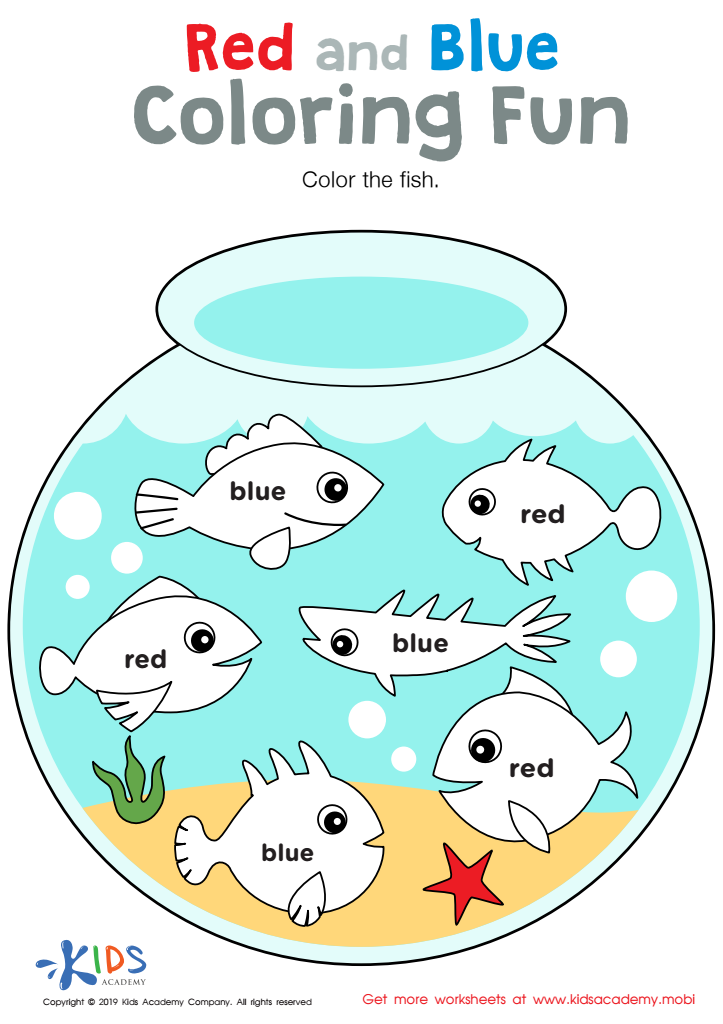
Red and Blue Coloring Fun Worksheet
 Assign to My Students











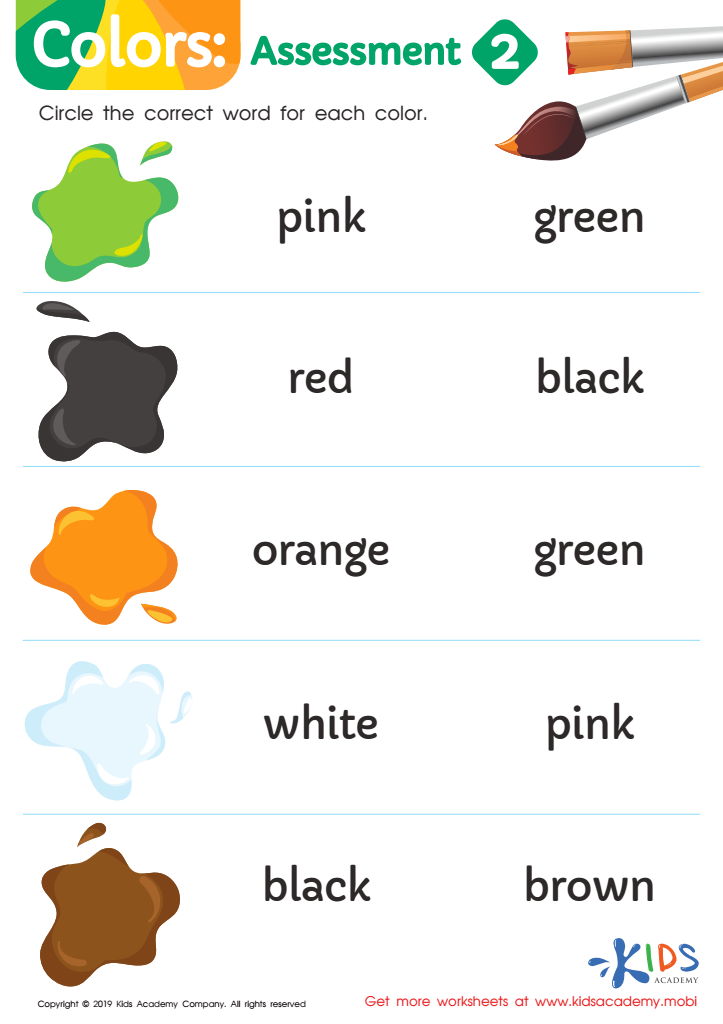
Colors: Assessment 2 Worksheet
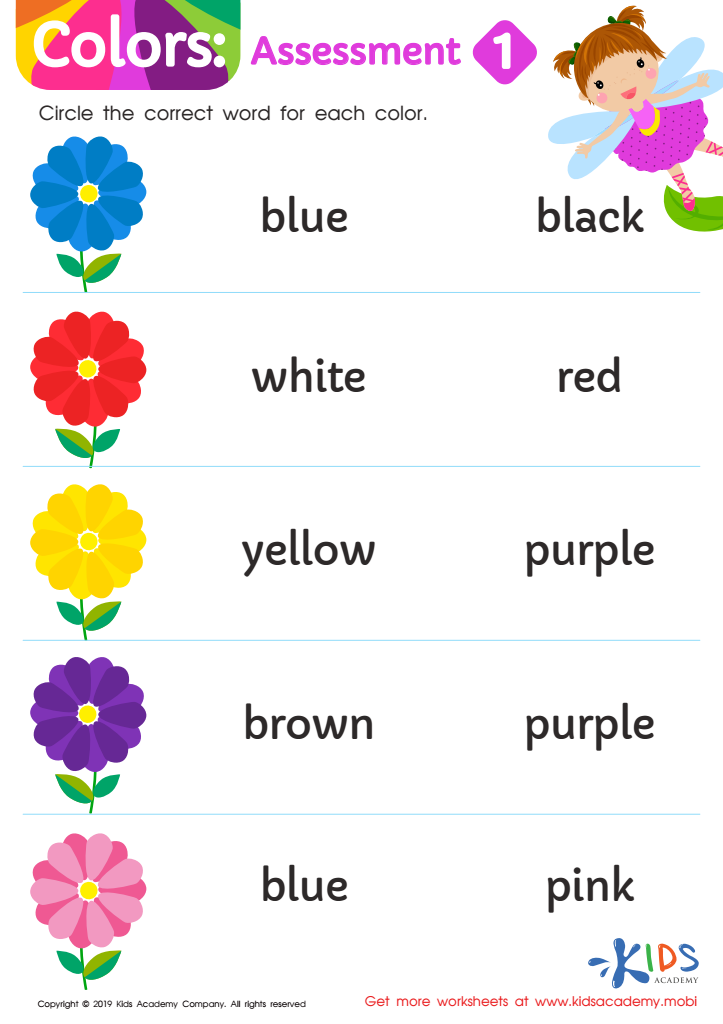
Colors: Assessment 1 Worksheet
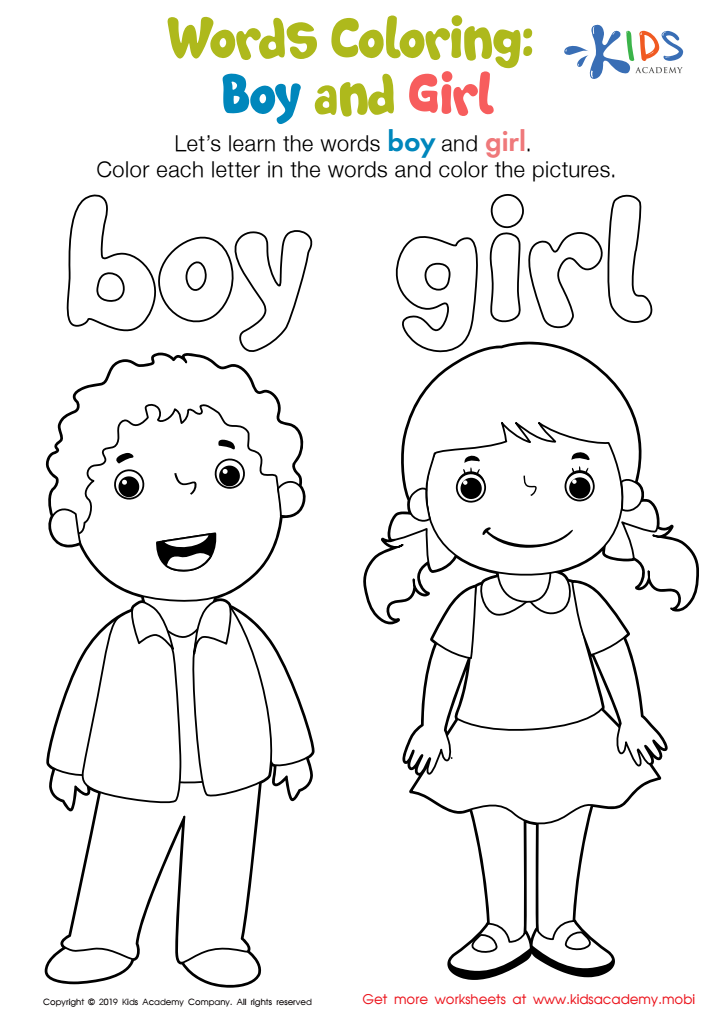
Boy and Girl Words Coloring Worksheet
Assign to My Students
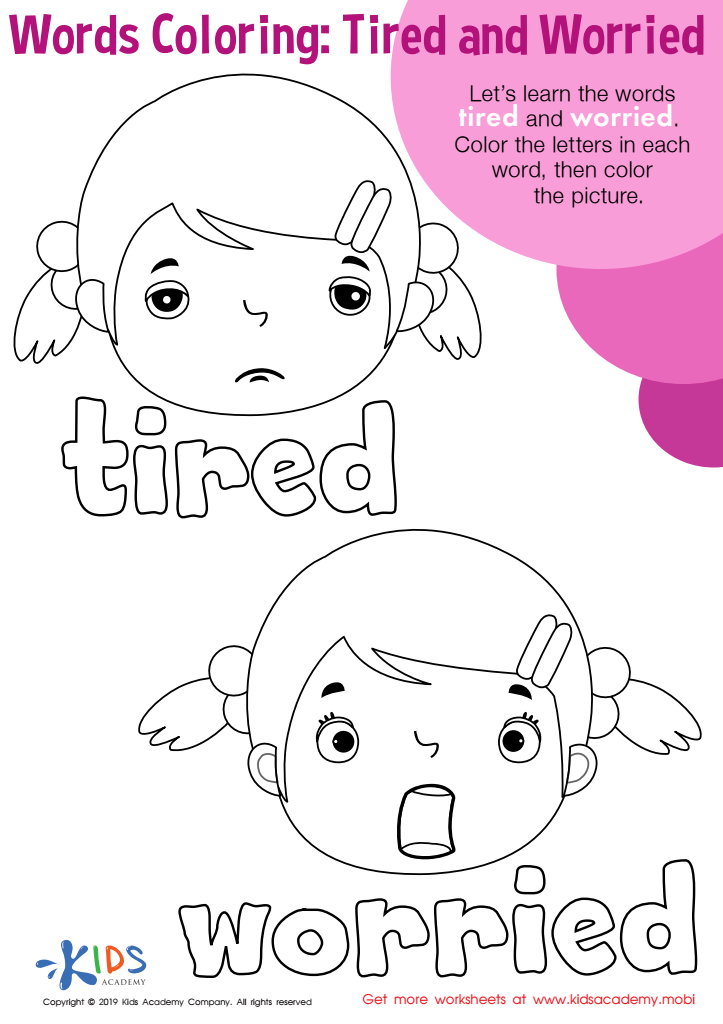
Tired and Worried Words Coloring Worksheet
Assign to My Students
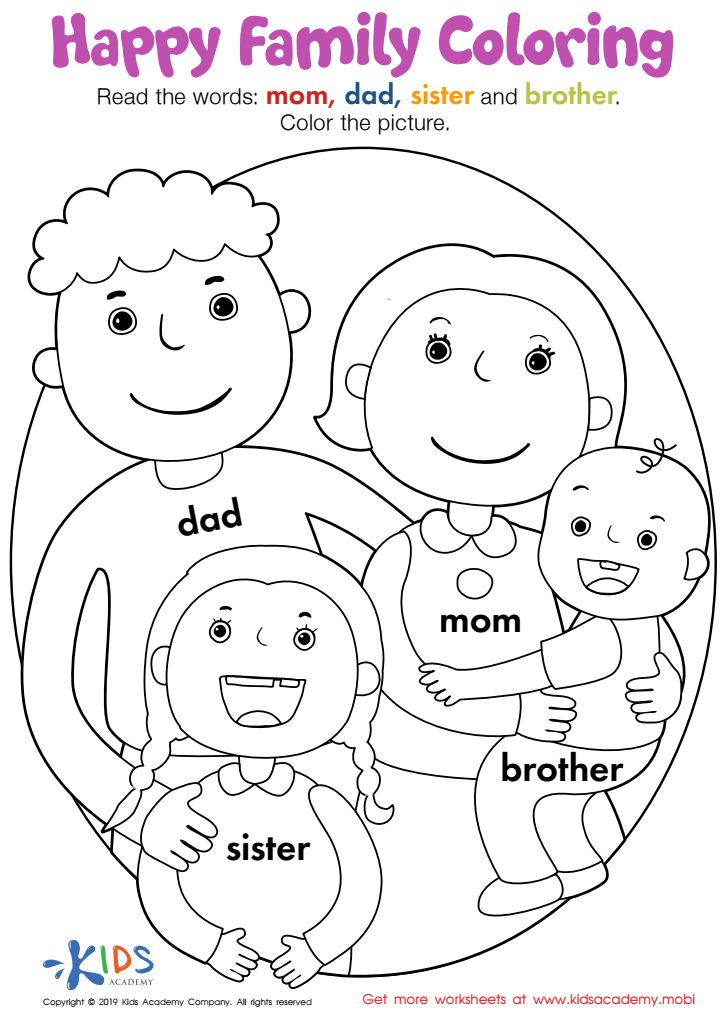
Happy Family Coloring Worksheet
Assign to My Students








Color recognition is a foundational skill that plays a crucial role in early childhood development, particularly for children aged 6-7. Parents and teachers should prioritize this aspect of learning for several key reasons:
Firstly, color recognition enhances cognitive development. Understanding different colors and being able to identify and name them sharpens a child's memory and observational skills. Recognizing and naming colors also encourages children to categorize and differentiate objects, an essential cognitive skill.
Secondly, the ability to identify and name colors is integral to vocabulary building. When children learn the names of colors, they are simultaneously expanding their language skills. Being able to describe objects and scenes using colors adds richness to their communication abilities. This, in turn, supports reading readiness and the acquisition of more complex vocabulary in subsequent years.
Thirdly, mastering color recognition can aid in emotional and psychological development. Colors can evoke emotions and set moods, and having the language to describe these can help children express their feelings and understand the world around them more deeply.
Lastly, many basic educational activities and classroom instructions rely on a child's ability to recognize and use colors. From following directions in a coloring exercise to understanding color-coded charts, this skill is woven into many aspects of the educational experience.
Hence, the focus on color recognition for 6-7-year-olds supports broader educational success and child development, laying the groundwork for more advanced learning and social interaction.