Writing practice Easy Letter Recognition Worksheets for Ages 6-8
3 filtered results
-
From - To
Boost your child's writing skills with our "Easy Letter Recognition Worksheets" designed for ages 6-8! These fun and engaging worksheets provide a hands-on approach to learning letters, making it easy for young learners to recognize and write each character. Our carefully crafted activities help reinforce letter shapes and sounds, promoting fine motor skills while keeping children excited about learning. Ideal for homeschooling, classroom use, or extra practice at home, these worksheets make letter recognition simple and enjoyable. Download now to give your child the tools they need to master the alphabet and build confidence in their writing abilities!
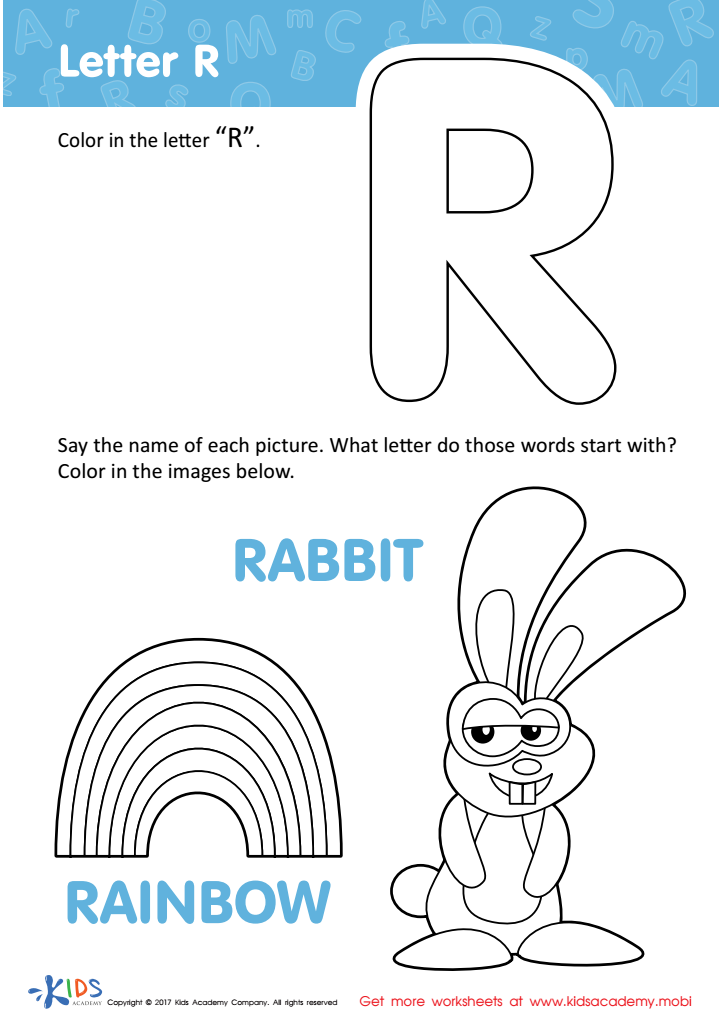
Letter R Coloring Sheet
 Assign to My Students
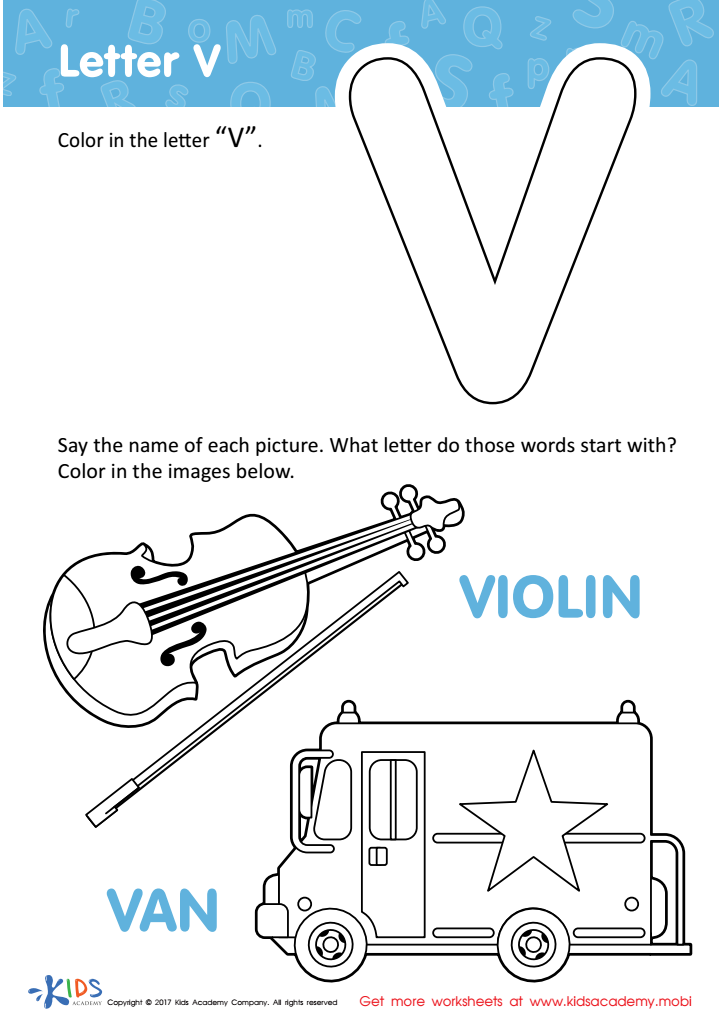
Letter V Coloring Sheet
Assign to My Students
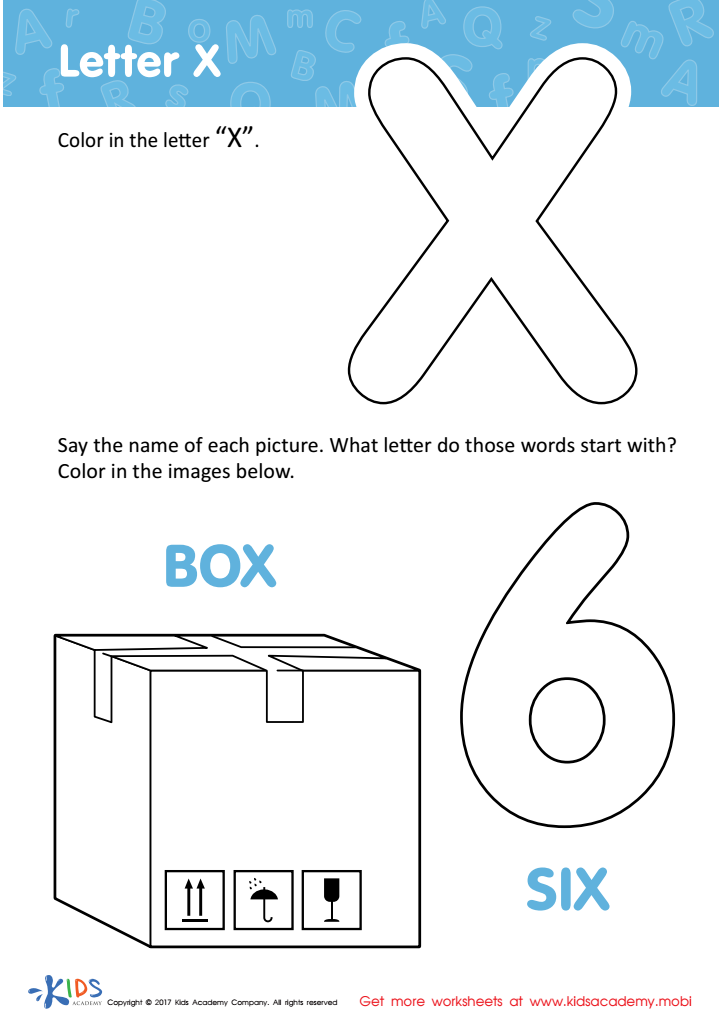
Letter X Coloring Sheet
Assign to My Students








Parents and teachers should prioritize writing practice and easy letter recognition for children aged 6-8 because these skills lay the foundation for early literacy and academic success. At this age, children are developing their fine motor skills, which writing activities enhance. When they practice writing letters, they are not only learning the shape and sound of each letter but also improving coordination and control of their hand movements.
Moreover, letter recognition is crucial for reading development. Familiarity with letters helps children decode words, leading to more fluent reading later. Fun and engaging writing exercises can boost a child's confidence and enthusiasm for learning, making it a positive experience rather than a chore.
Additionally, these skills support critical thinking and creativity, as writing involves organizing thoughts and expressing ideas. Encouraging children in these areas fosters motivation, enhances communication skill development, and promotes literacy-rich narratives.
Investing time in letter recognition and writing practice during these formative years is fundamental for lifelong learning and can have lasting impacts on a child's academic journey. Through supportive practices, children not only develop essential skills but also cultivate a love for reading and writing that can enrich their lives.