Sorting skills Easy Numbers Worksheets for Ages 6-8
3 filtered results
-
From - To
Looking to enhance your child's sorting skills? Our "Sorting Skills Easy Numbers Worksheets" are perfect for children ages 6-8! These engaging worksheets help young learners develop essential skills by sorting numbers in fun, interactive ways. Through a variety of activities, kids will practice distinguishing between different quantities, ordering numbers, and categorizing items effectively. Designed to support early math education, our worksheets foster critical thinking and improve problem-solving abilities while making learning enjoyable. Browse our collection today and watch your child gain confidence in their sorting skills as they explore the world of numbers!
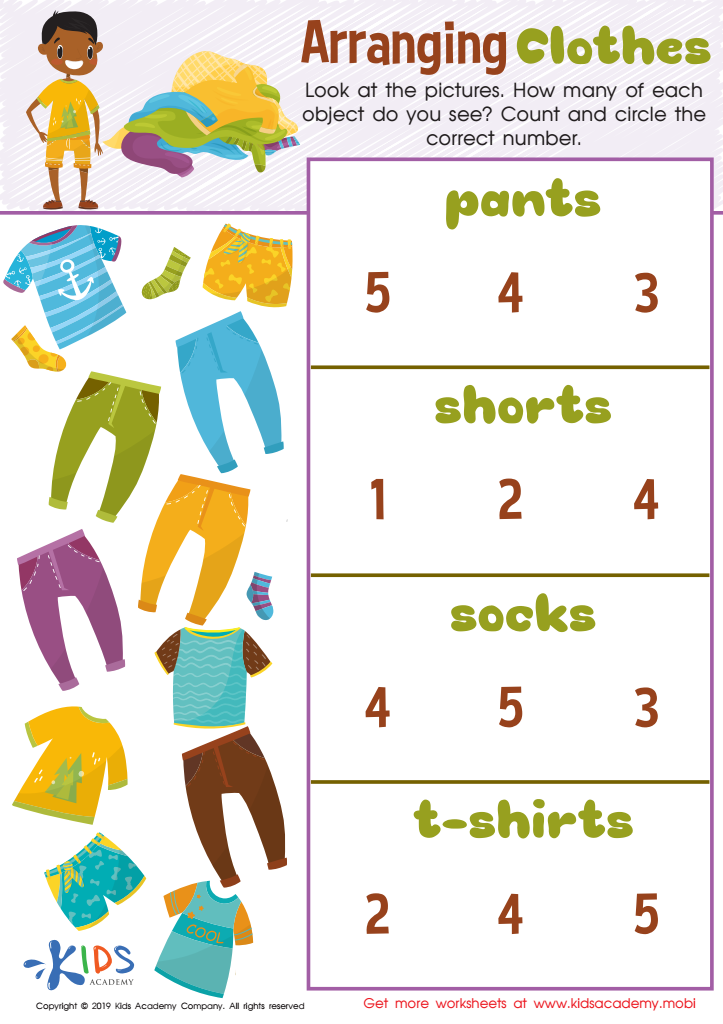
Arranging Clothes Worksheet
 Assign to My Students
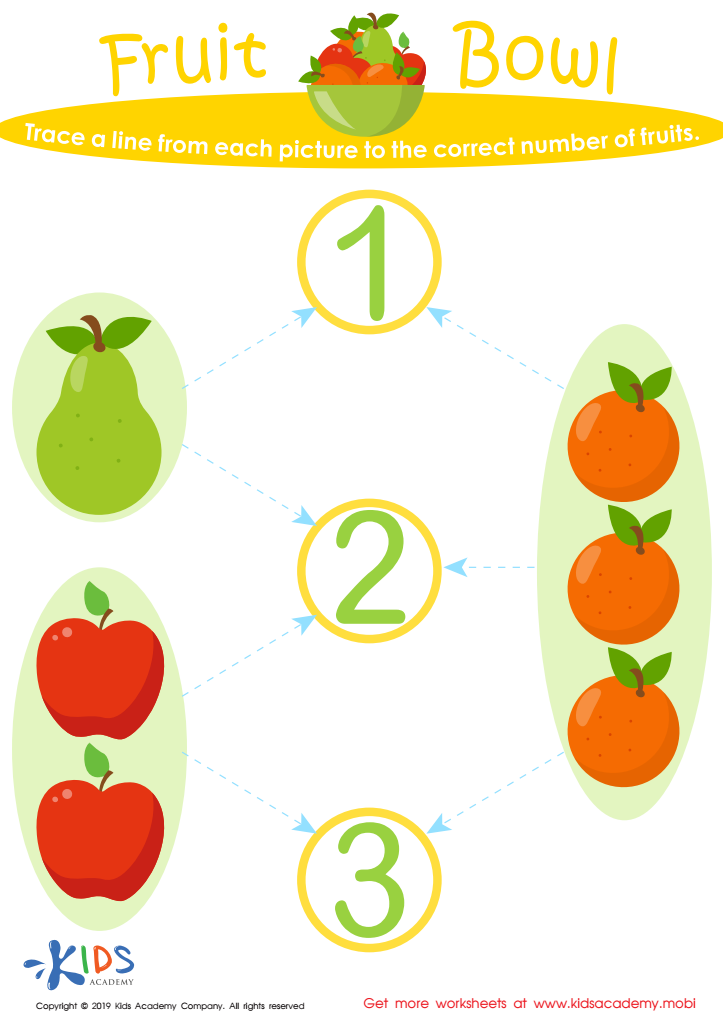
Fruit Bowl Worksheet
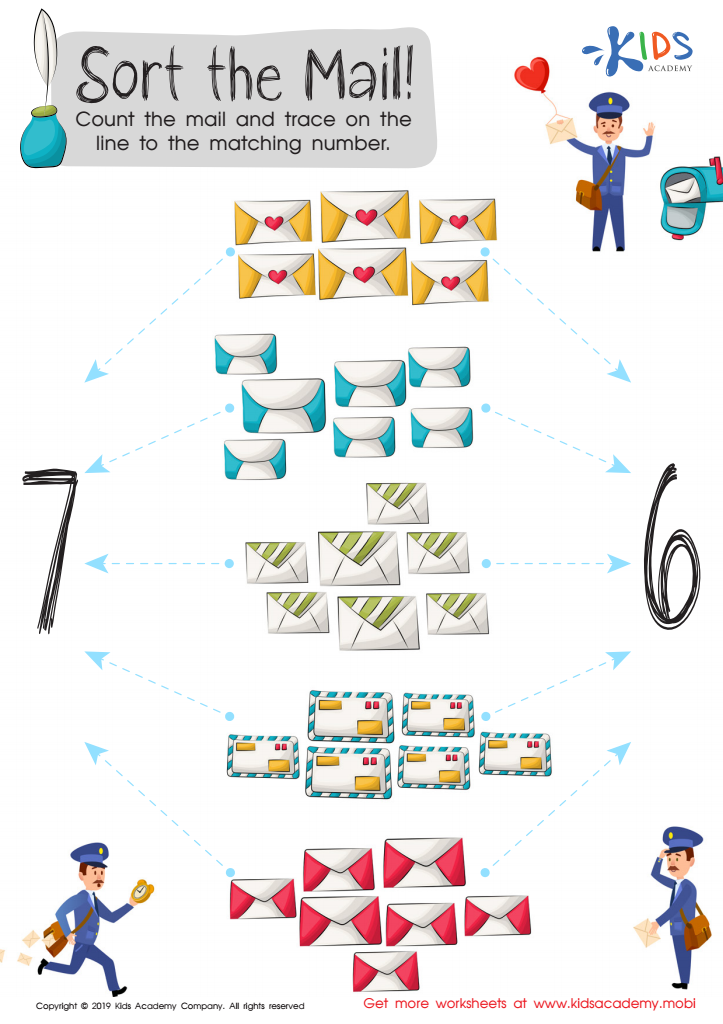
Sort the Mail Worksheet


.jpg)





Sorting skills are fundamental for children aged 6-8 as they serve as a foundation for various academic and life skills. Learning to sort helps children develop critical thinking, organization, and problem-solving abilities. When children categorize items based on attributes such as size, color, or shape, they not only aid cognitive development but also enhance their understanding of the world around them.
Moreover, sorting skills are directly linked to early mathematics concepts. Recognizing patterns, identifying similarities and differences, and organizing data are crucial components of math learning. By mastering sorting, children gain confidence in their numerical abilities, laying the groundwork for more advanced concepts in addition, subtraction, and even later data management.
From a practical standpoint, sorting fosters independence and self-management. When children learn how to group and organize their belongings, they develop good habits that can carry into adulthood. Parents and teachers can incorporate sorting activities into everyday life, making learning fun and engaging. By prioritizing sorting skills, they can support children's growth in both cognitive and physical domains, ultimately preparing them for more complex tasks as they progress in their educational journey. Hence, investing time in sorting activities is essential for holistic development during these formative years.








