Color Identification Easy Math Worksheets for Ages 6-8
3 filtered results
-
From - To
Discover our engaging Color Identification Easy Math Worksheets specifically designed for children aged 6-8! These fun and interactive worksheets seamlessly combine math skills with vibrant colors, making learning both enjoyable and effective. Your child will enhance their color recognition while practicing essential math concepts through hands-on activities. Each worksheet includes colorful graphics and user-friendly instructions to guide parents and educators alike. Perfect for classroom use or at-home learning, our resources will foster creativity and critical thinking in early learners, ensuring they develop a strong foundation in math. Unlock your child's potential with these playful and educational worksheets today!
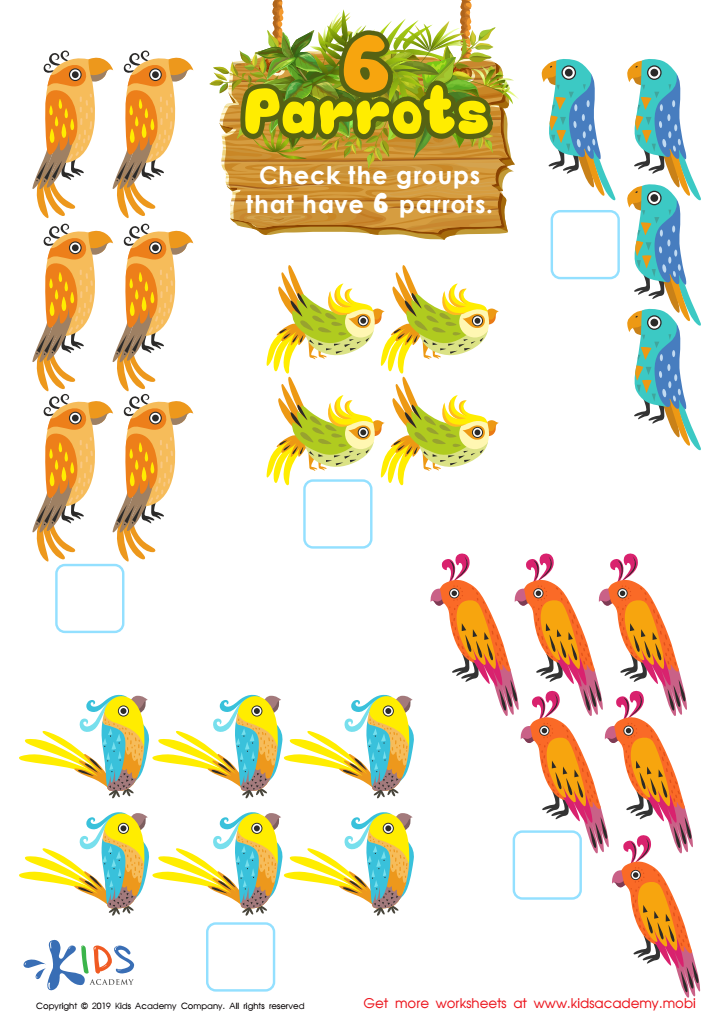
6 Parrots Worksheet

Color the Shapes Worksheet
 Assign to My Students
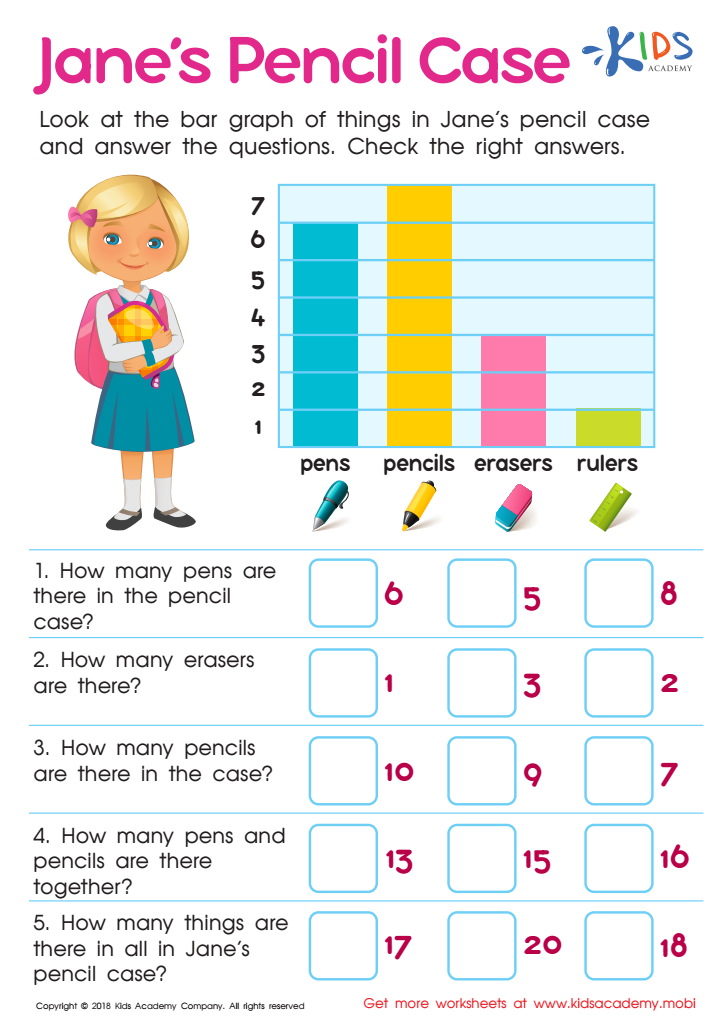
Jane's Pencil Case Worksheet








Parents and teachers should care about Color Identification Easy Math for Ages 6-8 because it serves as a foundational skill set crucial in early childhood education. Understanding colors is not just about art and visuals; it intertwines with early math concepts, fostering a holistic learning experience. Color identification enhances critical thinking and promotes cognitive development as children begin to categorize and compare objects based on their characteristics.
In a math context, recognizing colors can assist in learning patterns, grouping, and sorting—essential building blocks for more advanced mathematical concepts later on. For example, engaging students in activities that involve counting colored blocks or sorting shapes by color reinforces numeracy skills while making learning fun and interactive.
Additionally, color identification supports language development. When children express their ideas about colors, they enhance their vocabulary and communication skills. It also promotes inclusivity and creativity, allowing children to explore their unique perspectives.
By incorporating Color Identification Easy Math into their teaching or parenting approaches, adults can nurture a positive attitude towards learning, instill essential skills, and ultimately set the stage for academic success as children transition into more complex subjects in the future. This early investment yields benefits that last a lifetime.








