
Spatial reasoning Easy Math Worksheets for Ages 6-8
3 filtered results
Difficulty Level
Grade
Age
-
From - To
Subject
Activity
Standards
Enhance your child’s learning with our Spatial Reasoning Easy Math Worksheets designed for ages 6-8! These engaging worksheets encourage children to develop vital spatial skills through fun activities that promote critical thinking and problem-solving. Your young learners will enjoy exploring shapes, patterns, and spatial relationships, making math enjoyable and interactive. Each worksheet is crafted to align with educational standards, ensuring the perfect blend of learning and play. Ideal for classroom or home use, these resources foster a foundational understanding of geometry and spatial awareness. Download our worksheets today and help your child build confidence and proficiency in math!
Favorites
With answer key
Interactive
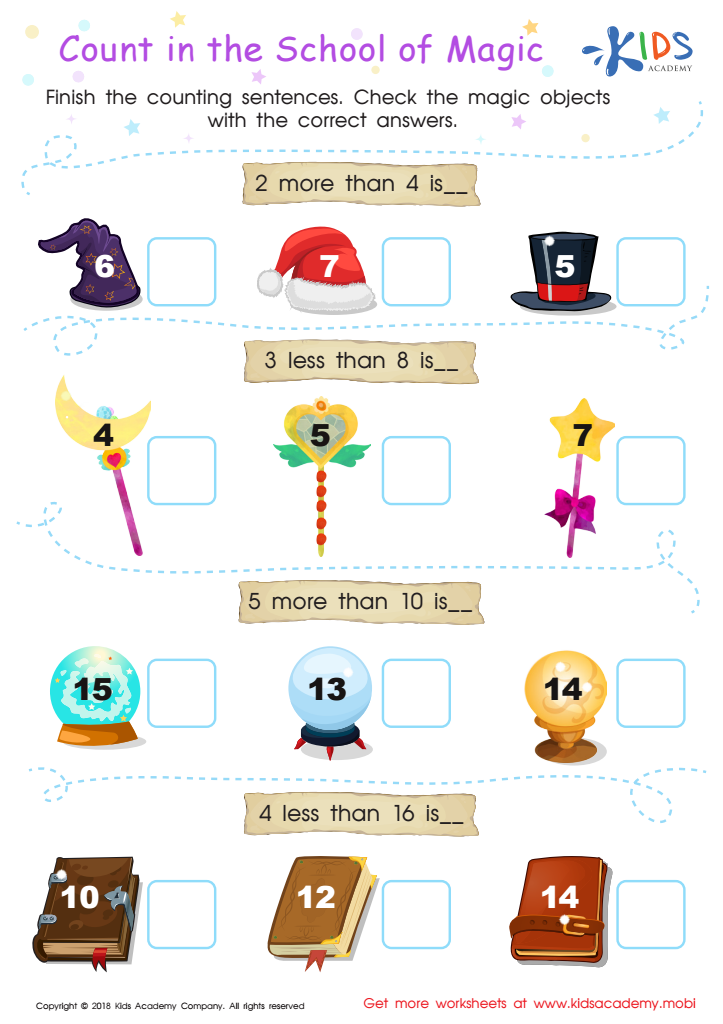
Count in the School of Magic Worksheet
Your math learners can explore the School of Magic with this worksheet. They'll read equations with addition and subtraction numbers under 20, count back and forth to find the answer, then complete the counting sentences. Fun pictures and easy accuracy make it an enjoyable and successful learning experience.
 Assign to My Students
Count in the School of Magic Worksheet
Worksheet
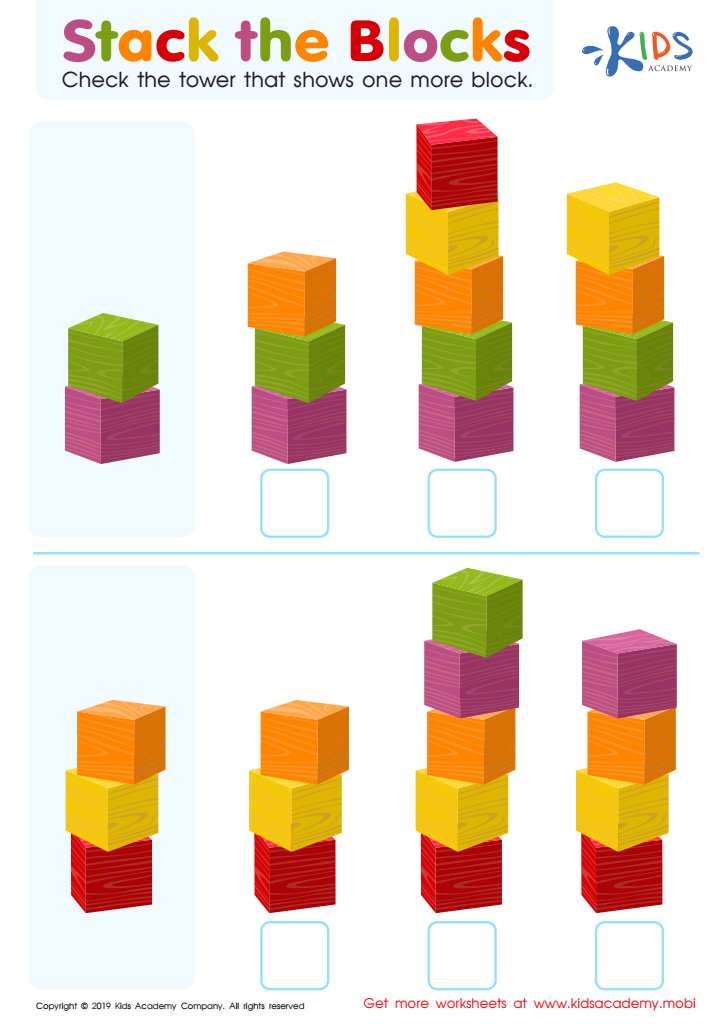
Stack the Blocks Worksheet
Playing with blocks is a great way for kids to learn! They can create patterns, shapes, and even count. In this worksheet, ask them to identify the colors and count each stack of blocks. If they can spot one extra block in the tower, even better! Encourage learning through play with these fun blocks.
Stack the Blocks Worksheet
Worksheet
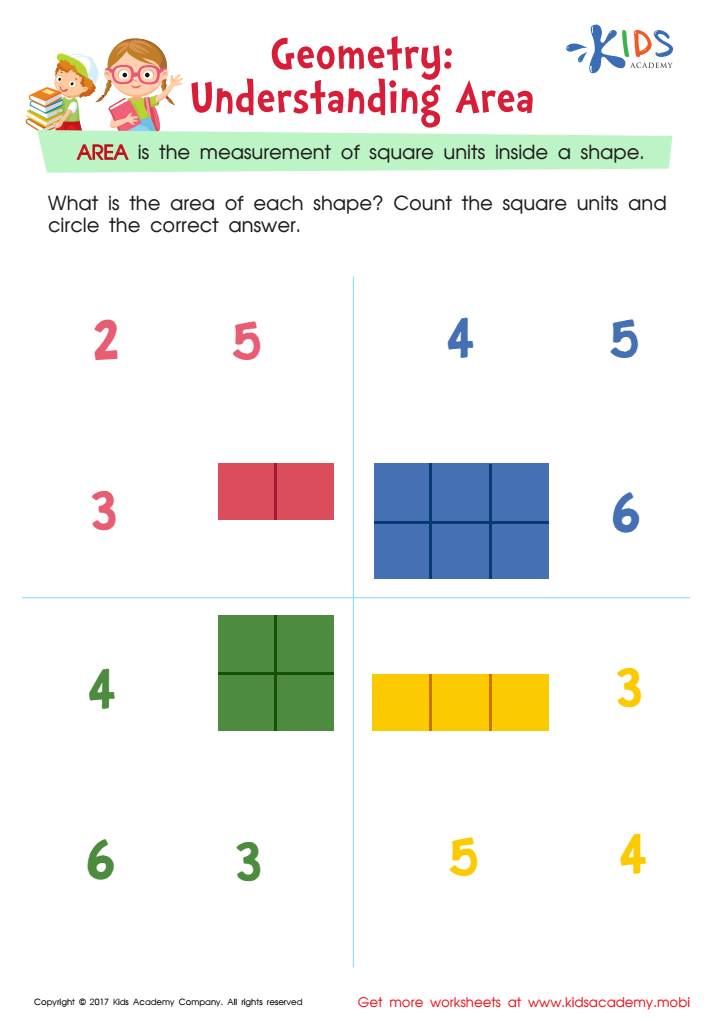
Understanding Area Worksheet
This helps them develop a better understanding and an easier way to learn instead of memorizing a formula.
Understanding Area Worksheet
Worksheet
Join Kids Academy for Free
Who is primarily going to use this learning content?




.jpg)
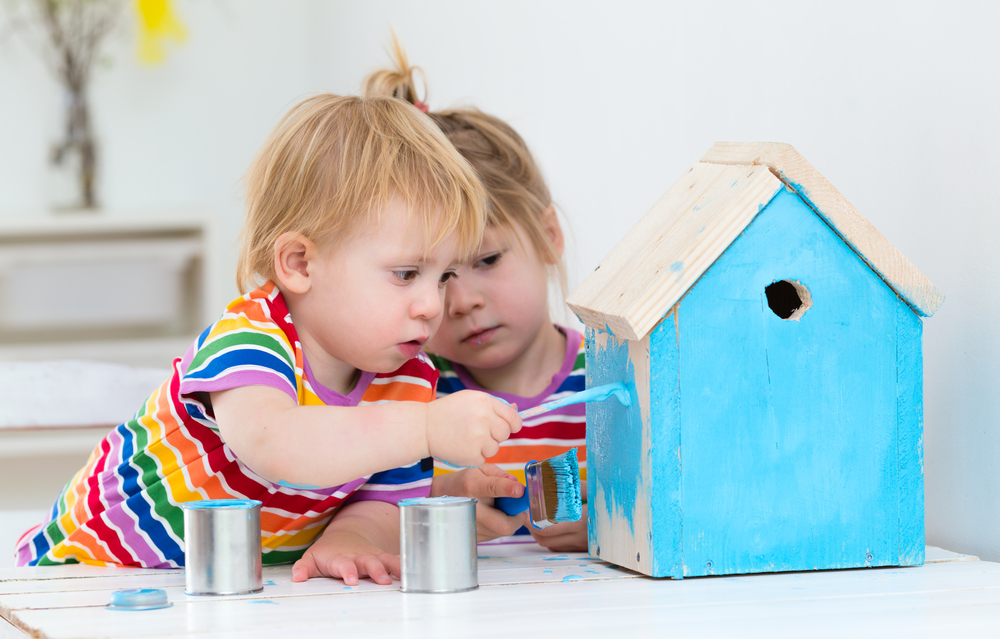

Spatial reasoning is a crucial skill that significantly impacts children's mathematical understanding and overall problem-solving abilities. For children aged 6-8, developing spatial reasoning skills through engaging activities in Easy Math can facilitate their understanding of geometry, measurement, and patterns, forming a solid foundation for future math learning.
Parents and teachers should care about promoting spatial reasoning because it enhances critical thinking and creativity. Children who grasp spatial relationships are better equipped to visualize mathematical concepts, making it easier for them to tackle more complex problems later on. Additionally, spatial reasoning is closely linked to success in STEM fields, ensuring that children are prepared for future academic and career opportunities.
Utilizing Easy Math activities allows educators and parents to introduce these concepts in a fun and accessible way, fostering enthusiasm for learning. Games that involve spatial manipulation, such as puzzles, block building, and patterning activities, not only strengthen spatial skills but also encourage collaboration and communication among peers. As children learn through play, they develop confidence in their abilities, which is vital for their overall development. Ultimately, prioritizing spatial reasoning during these formative years will equip children with essential skills that transcend beyond math, influencing various aspects of their lives.








