Understanding Sequences Easy Math Worksheets for Ages 6-8
4 filtered results
-
From - To
Unlock the world of math with our "Understanding Sequences Easy Math Worksheets" designed specifically for children aged 6-8! These engaging worksheets help young learners grasp the concept of sequences through fun activities that promote critical thinking and problem-solving skills. Your child will discover patterns, connect numbers, and develop their numerical fluency in an enjoyable way. Our carefully crafted materials include colorful visuals and relatable examples that cater to different learning styles. Whether you’re a teacher or a parent, these worksheets provide a valuable resource to support your child’s math journey. Encourage learning and confidence—start exploring sequences today!
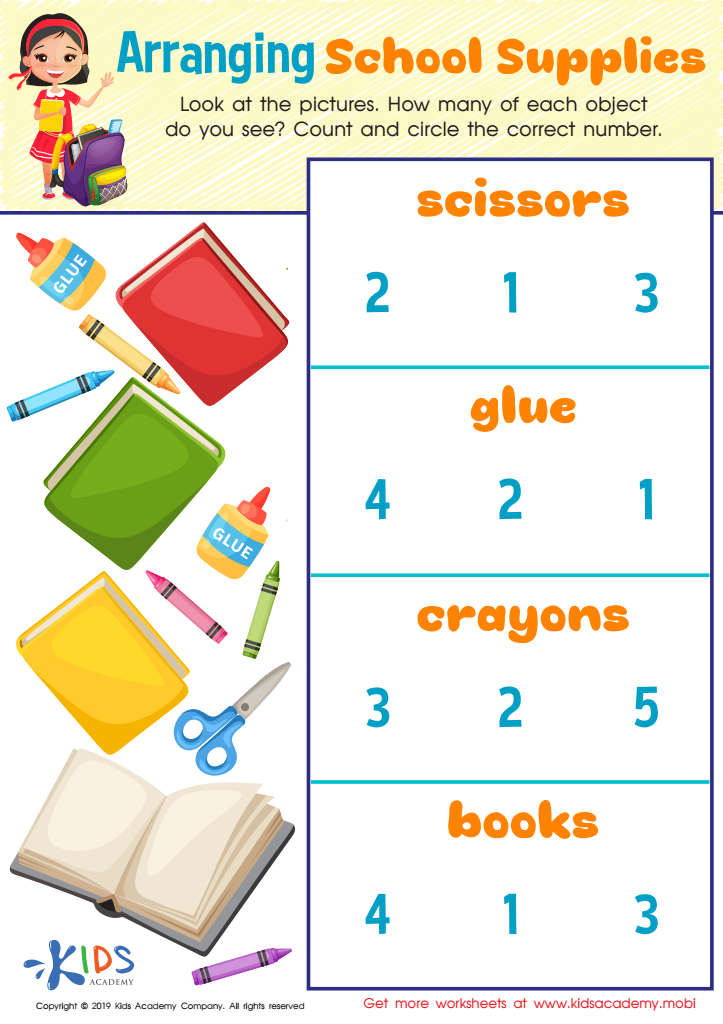
Arranging School Supplies Worksheet
 Assign to My Students
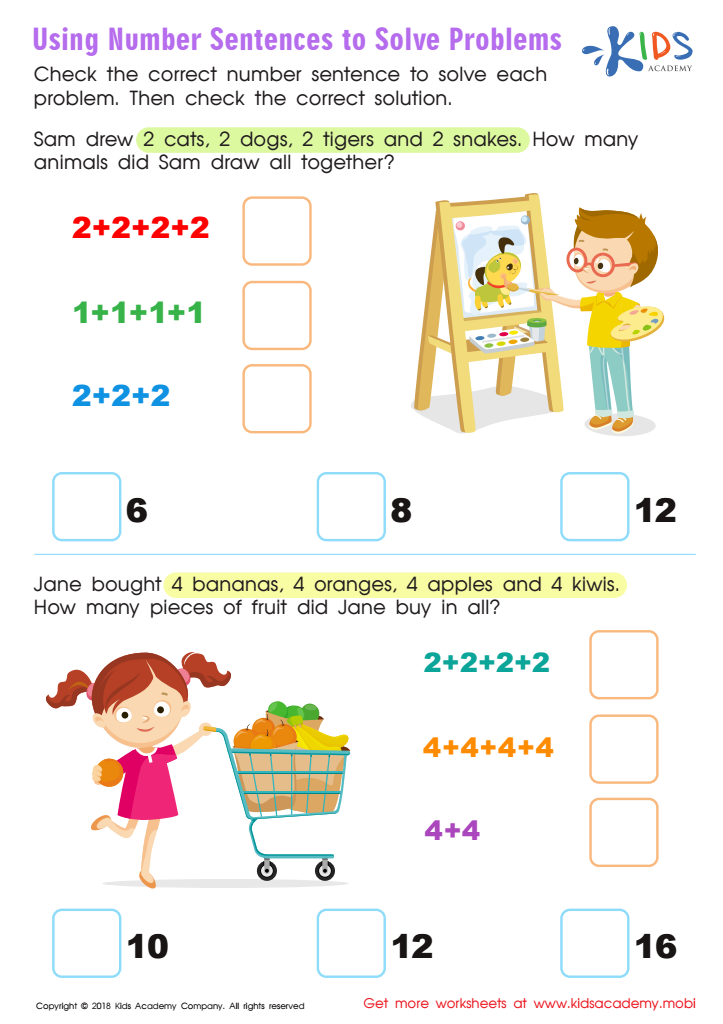
Using Number Sentences to Solve Problems Worksheet
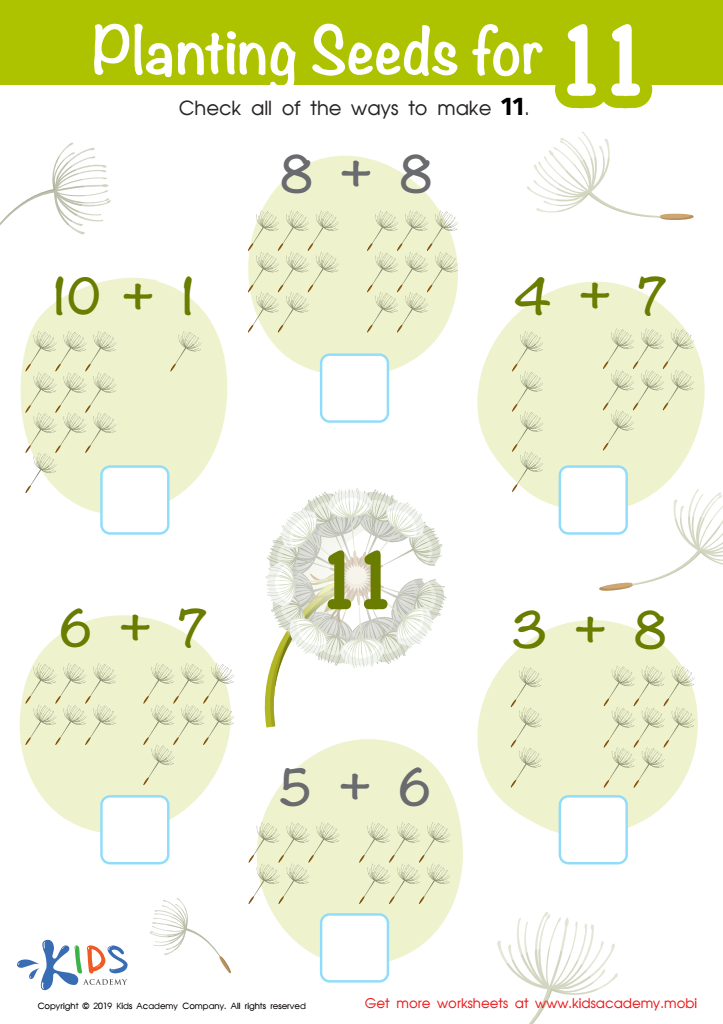
Planting Seeds for 11 Worksheet
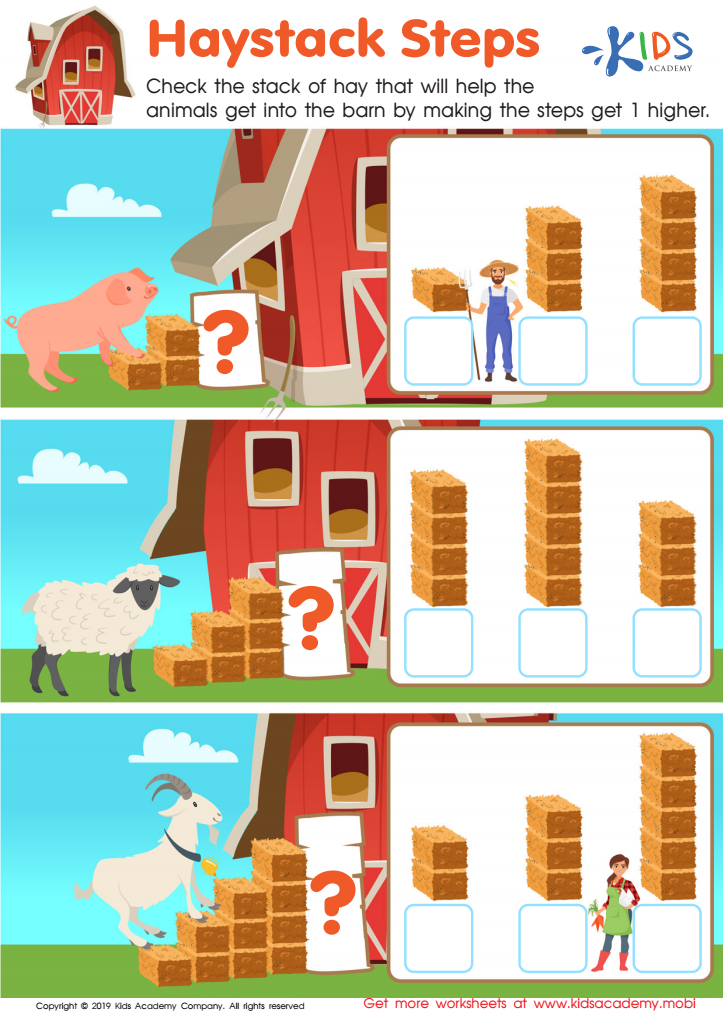
Haystack Steps Worksheet








Understanding sequences is crucial for children aged 6-8 as it lays the foundation for more complex mathematical concepts. At this developmental stage, teaching children about sequences—like patterns and order—helps them develop vital critical thinking and problem-solving skills. Recognizing sequences teaches students to predict, analyze, and establish connections, which are essential skills not only in math but also in everyday life.
Engaging with sequences encourages curiosity and exploration. Children learn to identify patterns in numbers, shapes, and even natural phenomena, fostering a sense of discovery. Moreover, when children are adept at understanding sequences, they become better equipped for future math learning, including addition, subtraction, multiplication, and fractions.
From a parental and teacher perspective, nurturing these skills contributes to a child’s overall cognitive development. It enhances mathematical literacy, boosts confidence, and prepares them for academic challenges ahead. By encouraging discussions around sequences, parents and teachers create an interactive learning environment that promotes teamwork, communication, and engagement.
Ultimately, investing time in understanding sequences can significantly improve children's grasp of mathematics, leading to greater success in school and everyday problem-solving, making this an essential focus for parents and educators alike.








