Understanding sequencing Easy Numbers 0–10 Worksheets for Ages 6-8
3 filtered results
-
From - To
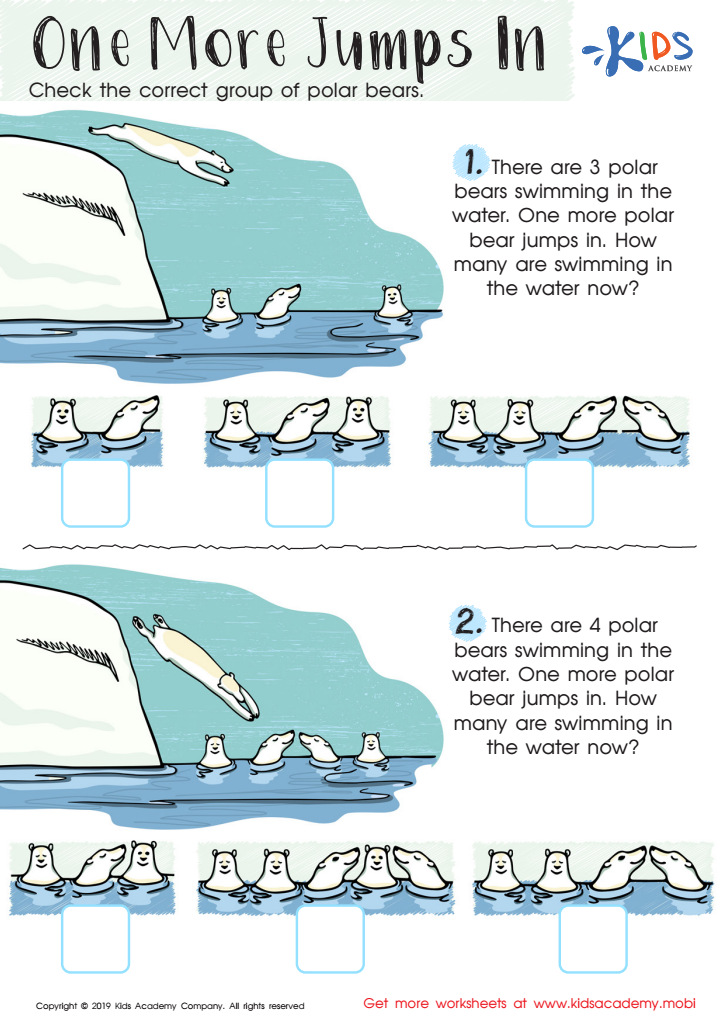
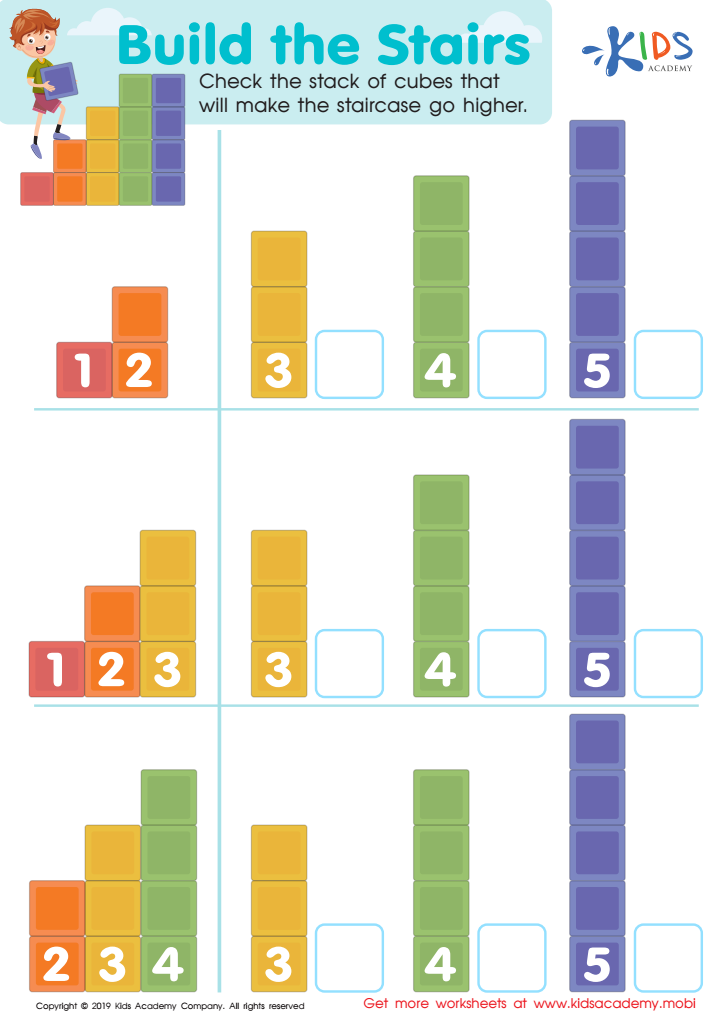
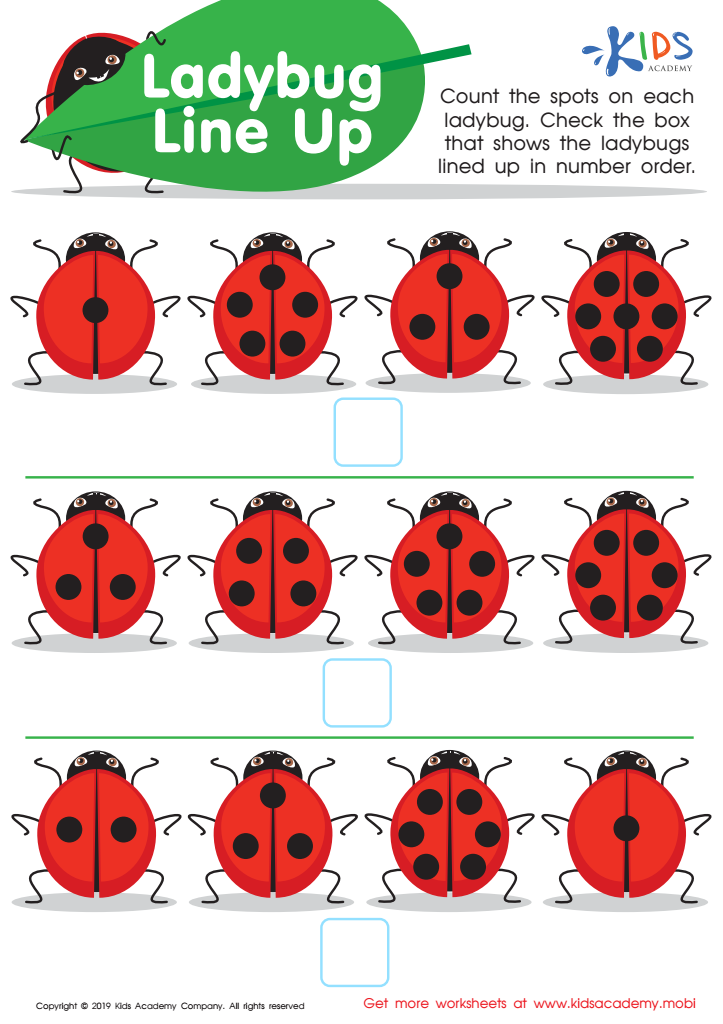
Introduce your young learner to the basics of number sequencing with our "Understanding Sequencing Easy Numbers 0–10 Worksheets for Ages 6-8". Perfectly designed for early graders, these engaging and colorful worksheets help children understand the order of numbers from 0 to 10. Each activity focuses on enhancing critical counting skills, number recognition, and logical thinking. By arranging numbers in the correct sequence, kids build a solid math foundation, preparing them for more complex arithmetic. Ideal for both classroom use and home practice, these worksheets make learning math fun and interactive for your budding mathematician!
One More Jumps In Worksheet
 Assign to My Students
Build the Stairs Worksheet
Ladybug Line Up Worksheet








Understanding sequencing is fundamental in a child’s cognitive and mathematical development, particularly for ages 6-8. Sequencing numbers 0-10 helps young learners grasp the concept of order, an essential building block for future math skills. By mastering this, children can better understand more complex ideas such as addition, subtraction, and place value.
From a cognitive perspective, sequencing fosters organizational skills and logical thinking. Children begin to recognize patterns and develop the ability to predict what comes next, important for problem-solving in both academic and everyday contexts. It also enhances memory, as recalling the order of numbers requires children to retain and retrieve information effectively.
For teachers, integrating sequencing into lessons can make math engaging and accessible, building a strong foundational knowledge that can be expanded upon in later grades. For parents, reinforcing these skills at home through everyday activities, such as number games or counting exercises, provides additional practice and confidence.
Moreover, sequencing is intertwined with language development. Understanding the sequence aids in developing narratives and understanding progression in stories, which is crucial for reading comprehension.
Overall, focusing on sequencing numbers 0-10 equips children with the essential skills to thrive academically and in daily life, making this concept a pivotal component of early education.